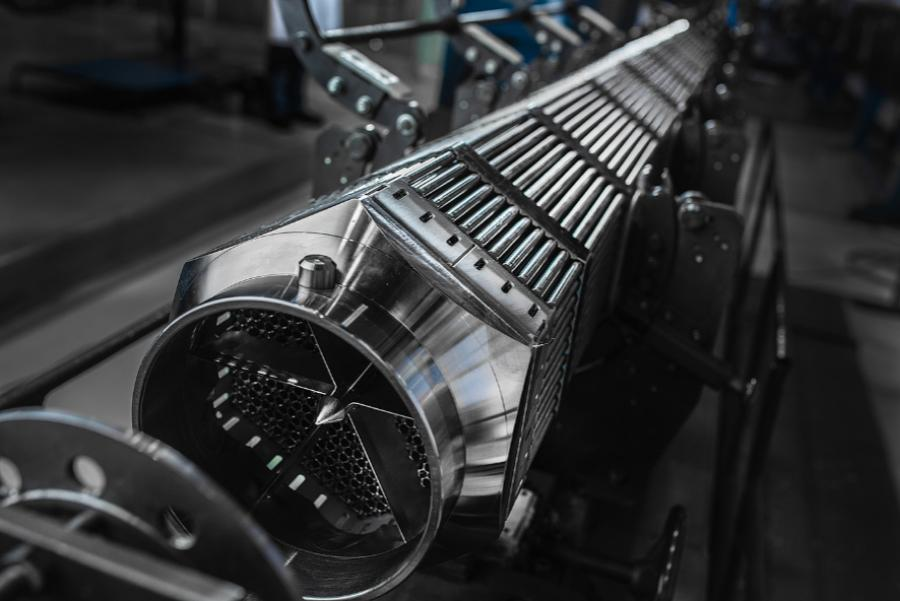
Germany wants independence from Russian nuclear fuel, using Rosatom as a bridge
Europe’s effort to break its dependence on Russian nuclear fuel has a paradox in Germany: making Russian-designed fuel without buying it from Russia ...
News
Publish date: September 7, 2007
News
The agreement Putin signed with Australian Prime Minister John Howard came just months after Australia signed a similar deal with China – which, like Russia, has a voracious appetite for uranium to feed energy needs. No details were given on the value of the exports to Russia, but Agency France Presse reported that the Chinese deal was valued at $205m.
Russia has grown increasingly fearful in recent years that its access to fresh uranium is beginning to dry up. Russia is also pursuing the creation of a world uranium bank with the help of Kazakhstan’s enormous reserves. It is unclear whether any of the Australian uranium will be used for this purpose.
Australia has, by international estimates, some 40 percent of the world’s easily accessible uranium. Howard stressed that the conditions of the sale to Russia include stipulation about how the uranium can be used.
"Any uranium that is sold to Russia will be sold under very strict safeguards," Howard told reporters after meeting Putin leader in Sydney, where world leaders are attending the Asia Pacific summit.
"This new agreement will allow the supply of Australian uranium for use in Russia’s civil nuclear power industry and provide a framework for broader cooperation on peaceful nuclear-related activities," he said.
Putin dismissed concerns that Russia would sell the Australian obtained third parties like Iran, where Russia is building the hotly contested Bushehr reactor.
"I simply don’t understand what people are talking about," Putin said, pointing out that Russia already exports large quantities of enriched uranium, which it down blends for use in American reactors under the ‘Megatons to Megawatts’ nonproliferation programme.
"We are buying uranium from Australia for purely economic reasons."
Putin was scheduled to meet with US President George Bush later in the summit. The US has already said it has no concerns about the Russian-Australian deal.
According to Bellona’s Russian nuclear industry expert Igor Kudrik, the goal of Putin’s Australian deal is to diversify Russian uranium supplies for future industry expansion plans beyond relying on Kazakhstan.
“Kazakhstan is nice, but better to have two sources. Uranium mining in Russia is in most cases not profitable due to current world uranium prices,” said Kudrik.
Kudrik also said there is the possibility that Putin is dabbling in speculation on world uranium prices as nuclear behemoths like the United States announce vast expansion plans. But as the volume of uranium to be shipped from Australia remains undisclosed, no conclusions can be drawn, Kudrik said.
Europe’s effort to break its dependence on Russian nuclear fuel has a paradox in Germany: making Russian-designed fuel without buying it from Russia ...
Nearly four and a half years after Russia’s full-scale invasion of Ukraine, July offered fresh evidence of how difficult it remains to disentangle Ru...
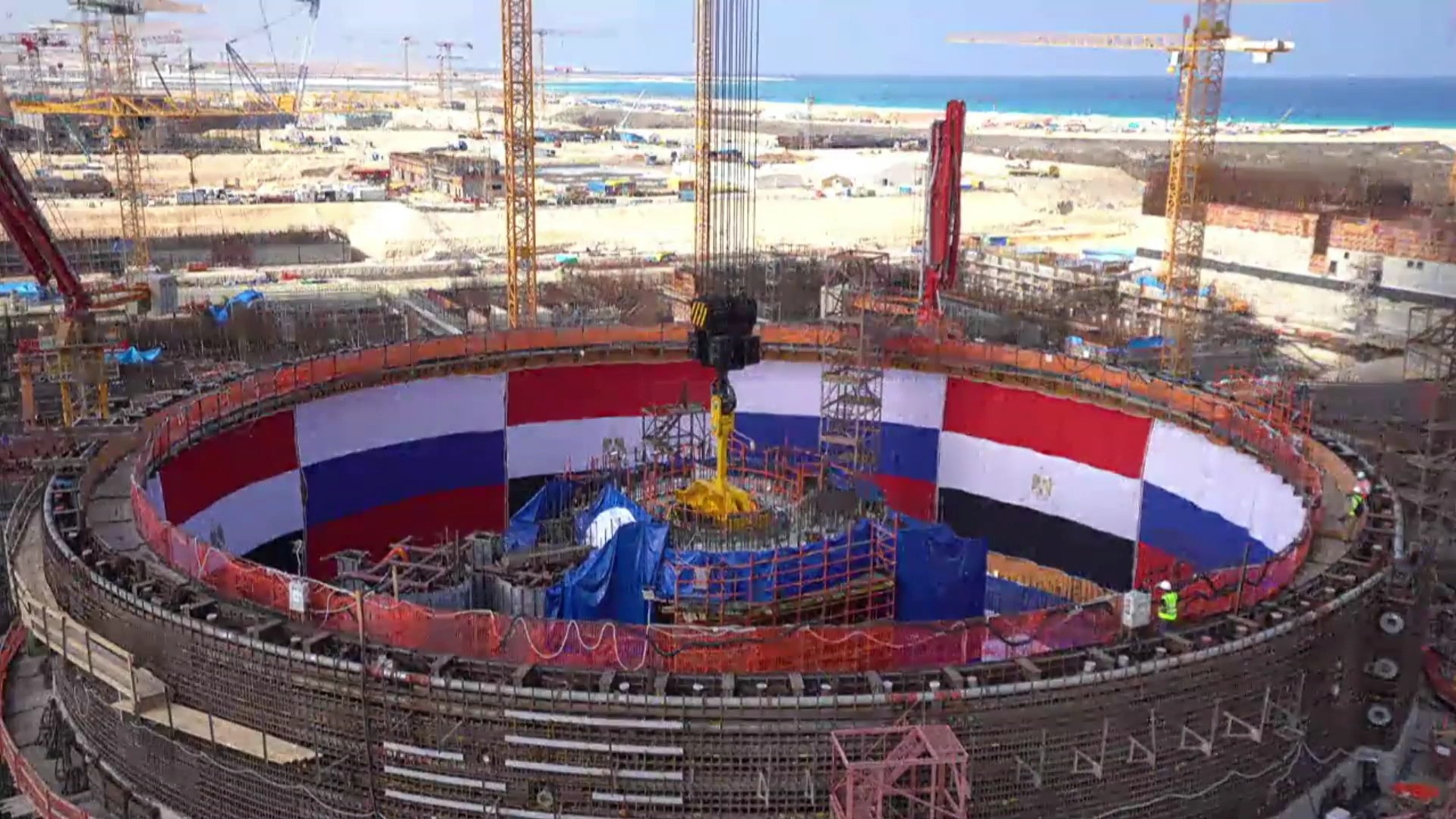
Just days after Egyptian nuclear authorities reportedly accused Rosatom of construction defects, poor management and vi...
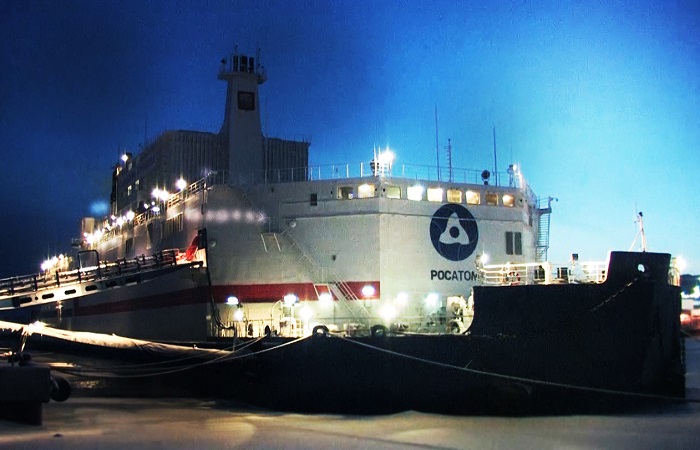
For years, the Akademik Lomonosov looked like one of the nuclear industry’s more eccentric experiments: two reactors mounted on a barge and tow...