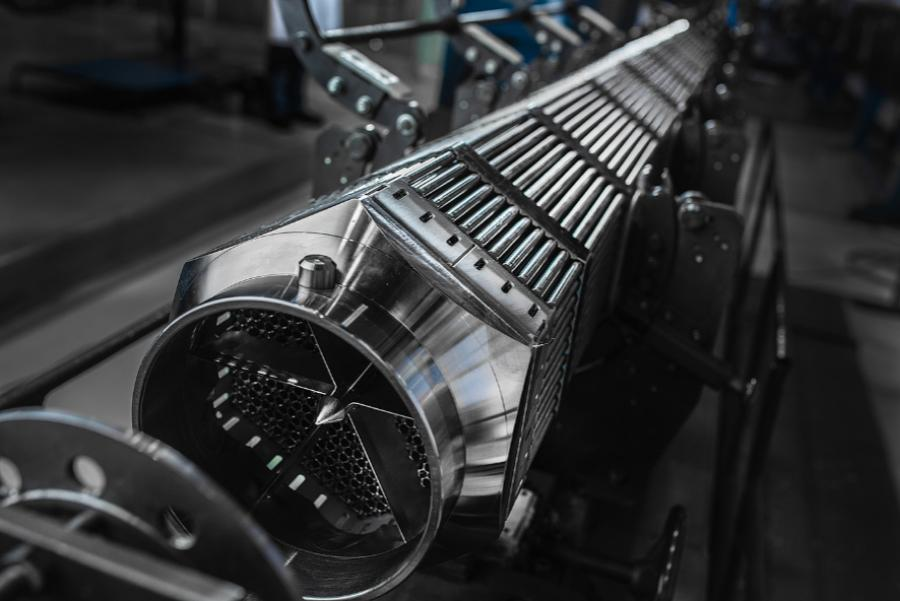
Germany wants independence from Russian nuclear fuel, using Rosatom as a bridge
Europe’s effort to break its dependence on Russian nuclear fuel has a paradox in Germany: making Russian-designed fuel without buying it from Russia ...
News
Publish date: February 7, 2005
News
The fifth reactor is scheduled to begin operation 4 month later than planned on May 30, 2005, as the defective parts in the reactor lid should be changed, ITAR-TASS reported. The reason behind the delay was the discovery of cracks in the welded seams of the reactor lid of the fifth block. Experts hold that the cracks had appeared due to a production defect and aggressive environment where the faulty parts were operating and claim all the other VVER-1000 reactors have a different safer technology.
On February 4, the head Rosenergoatom concern had to visit the plant to look personally at the ongoing repairs.
The 30 years lifetime of the fifth block expires in 2010, but Russian experts say that it may be prolonged for another 20-year period.
Europe’s effort to break its dependence on Russian nuclear fuel has a paradox in Germany: making Russian-designed fuel without buying it from Russia ...
Nearly four and a half years after Russia’s full-scale invasion of Ukraine, July offered fresh evidence of how difficult it remains to disentangle Ru...
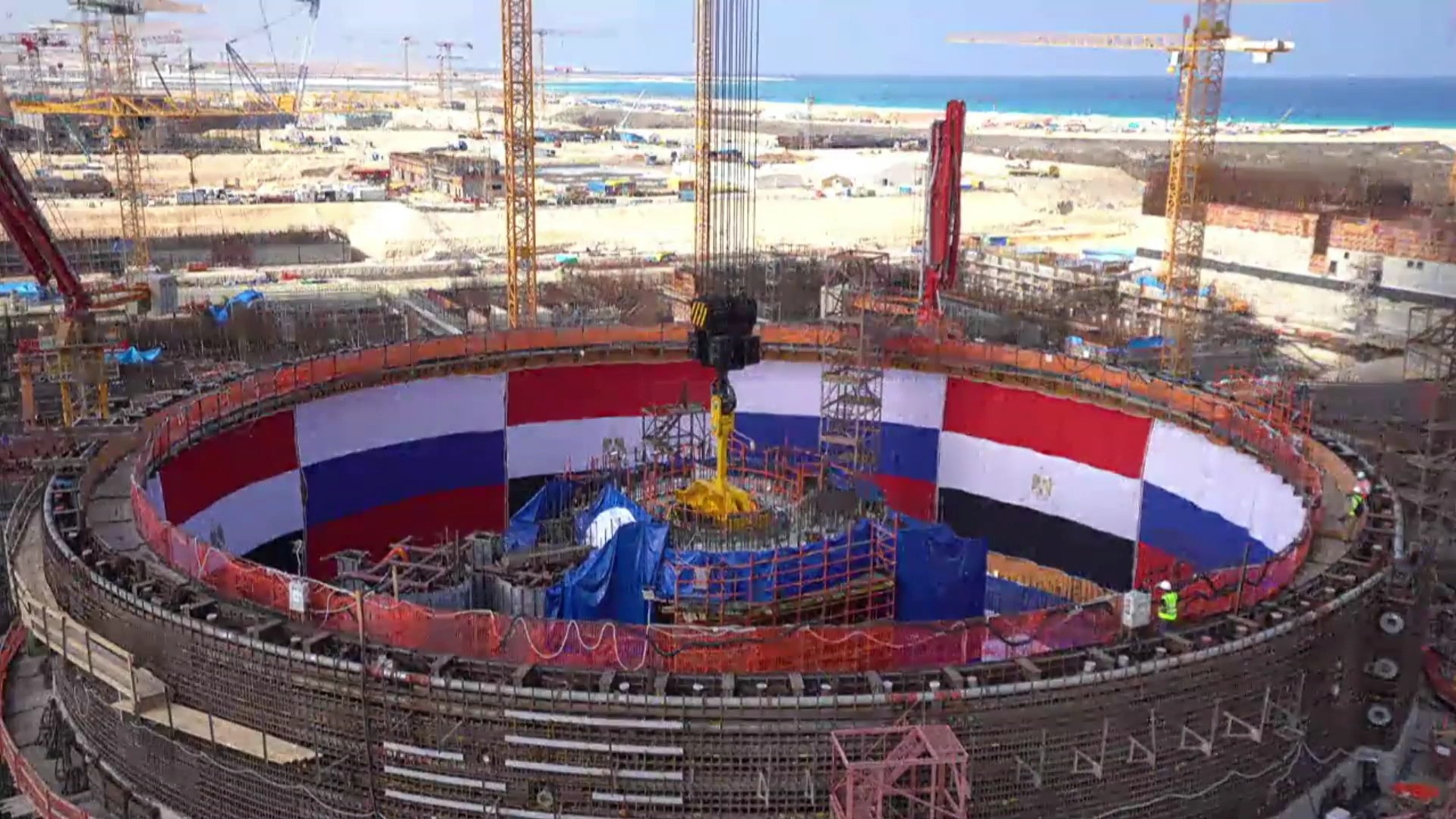
Just days after Egyptian nuclear authorities reportedly accused Rosatom of construction defects, poor management and vi...
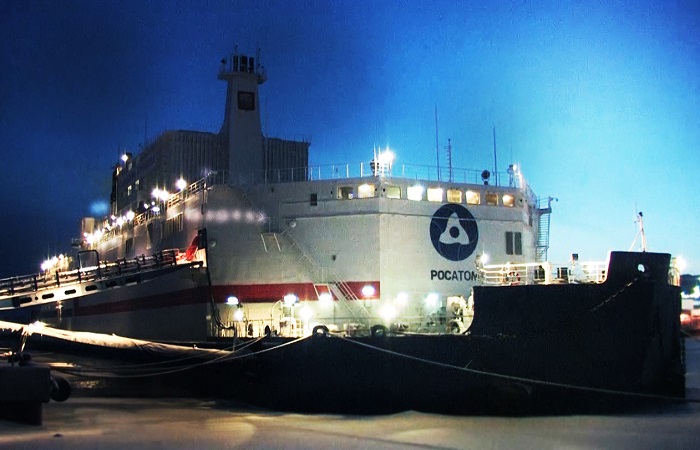
For years, the Akademik Lomonosov looked like one of the nuclear industry’s more eccentric experiments: two reactors mounted on a barge and tow...