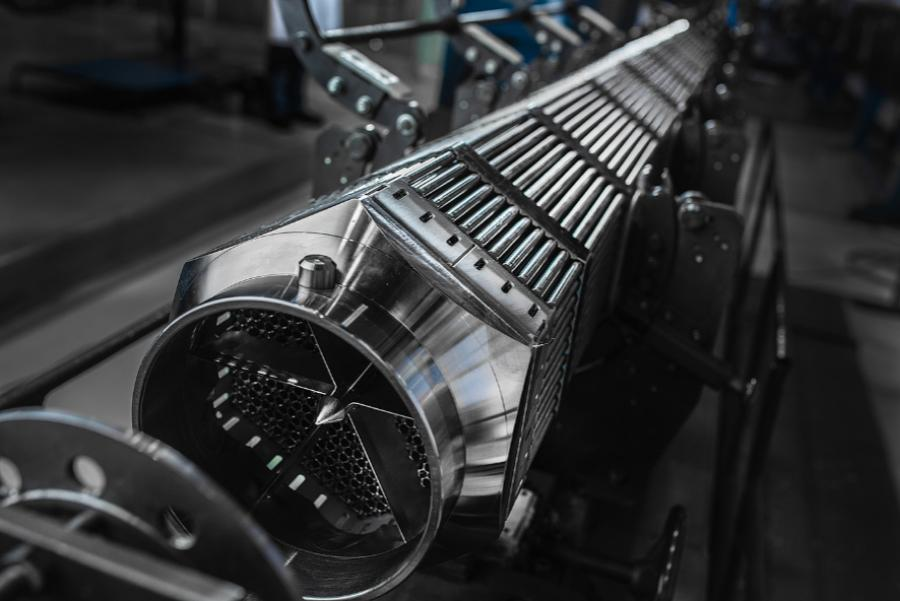
Germany wants independence from Russian nuclear fuel, using Rosatom as a bridge
Europe’s effort to break its dependence on Russian nuclear fuel has a paradox in Germany: making Russian-designed fuel without buying it from Russia ...
News
Publish date: October 29, 2004
News
Russias oldest reactor at the Leningrad Power Plant near the border with Finland was shut down last year. But officials re-launched it this month for at least another five years pending modernization. On October 10, the reactor no.1 was shut down when its emergency security system suddenly signaled an alarm. Oleg Bodrov, head of Green World, said the reasons of sudden shut down of the reactor had to do with many infringements of procedures when the start up of the reactor began.
The Leningrad Nuclear Power Station, or LAES, is causing serious ecological danger to the Baltic Sea and surroundings, say environmentalists of Green World, an ecological organization based in Sosnovy Bor. Ecologists say tests of pine trees that grow Sosnovy Bor, a town located five kilometers from LAES, showed that “those pine trees had three times as many changes to cell development as similar trees growing 30 kilometers away from the station.This way a pine tree signals to us the unfavorable state of the environment,” Vladimir Zimin, a Green World expert, said, St Petersburg Times reported.
Earlier this month, the Interfax news agency cited a source in the Interior Ministrys Main Directorate for St. Petersburg City as saying that the valves from the Leningrad NPP were stolen. The price of the stolen devices was reported at 700,000 rubles (about $24,000). The Leningrad power plant is not only a top security site, but it is also located in the area close to the Finnish border where the security regime is even stricter.
At the moment three units of Leningrad NPP are running at full capacity, 3,000 MW total. Reactor no.4 was shutdown today for 15-day maintenance.
Europe’s effort to break its dependence on Russian nuclear fuel has a paradox in Germany: making Russian-designed fuel without buying it from Russia ...
Nearly four and a half years after Russia’s full-scale invasion of Ukraine, July offered fresh evidence of how difficult it remains to disentangle Ru...
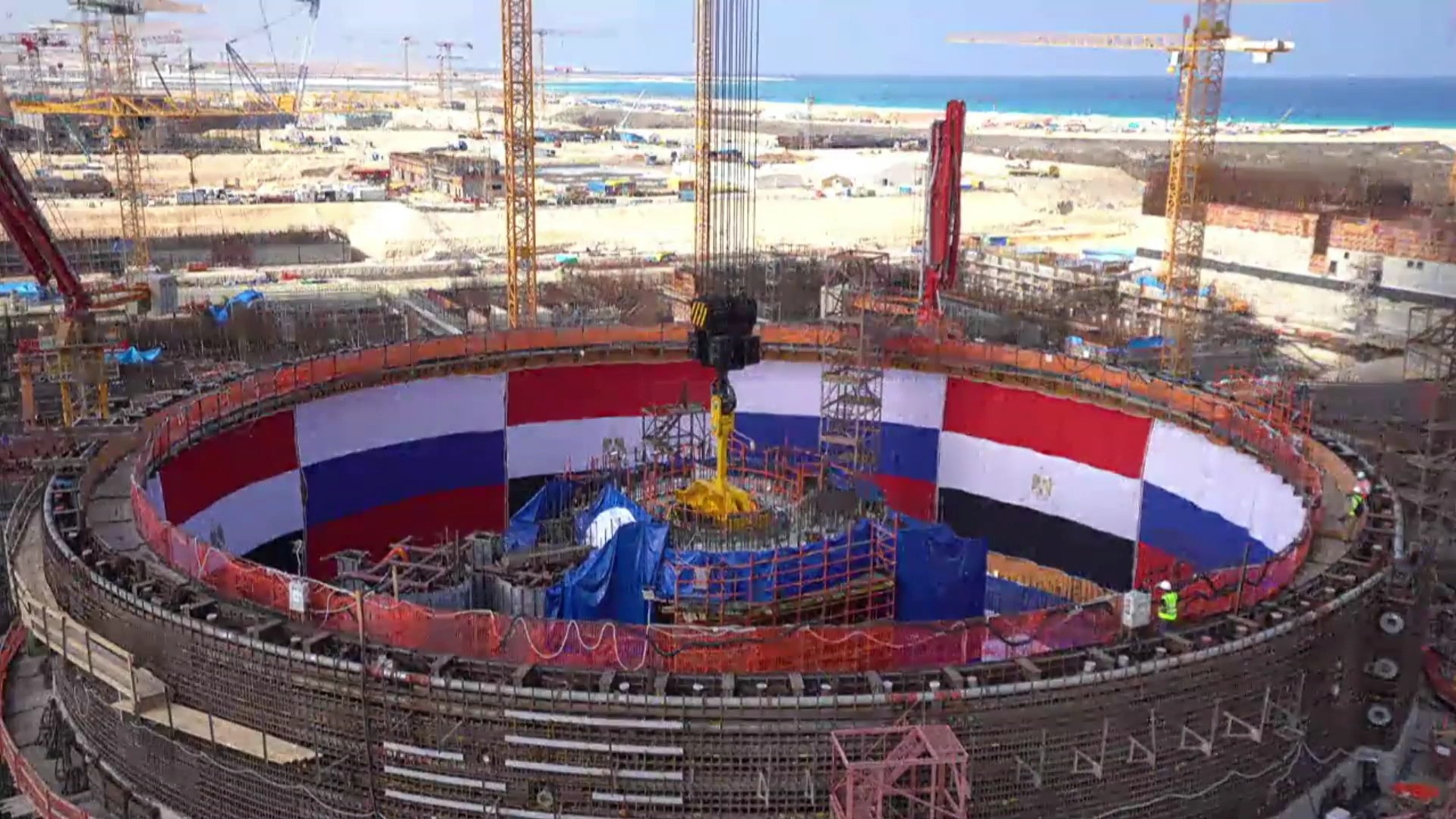
Just days after Egyptian nuclear authorities reportedly accused Rosatom of construction defects, poor management and vi...
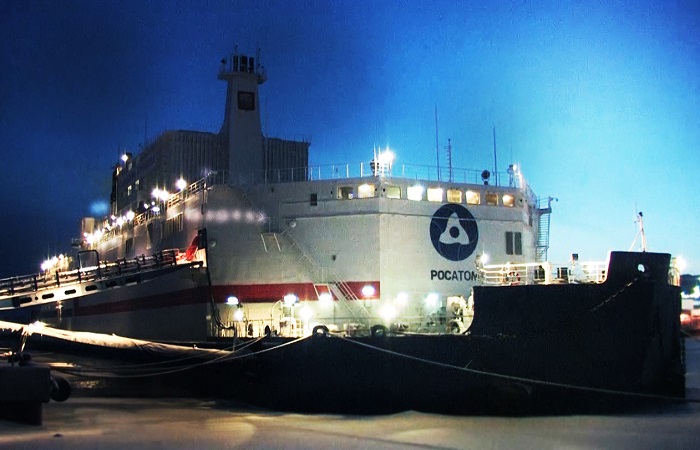
For years, the Akademik Lomonosov looked like one of the nuclear industry’s more eccentric experiments: two reactors mounted on a barge and tow...