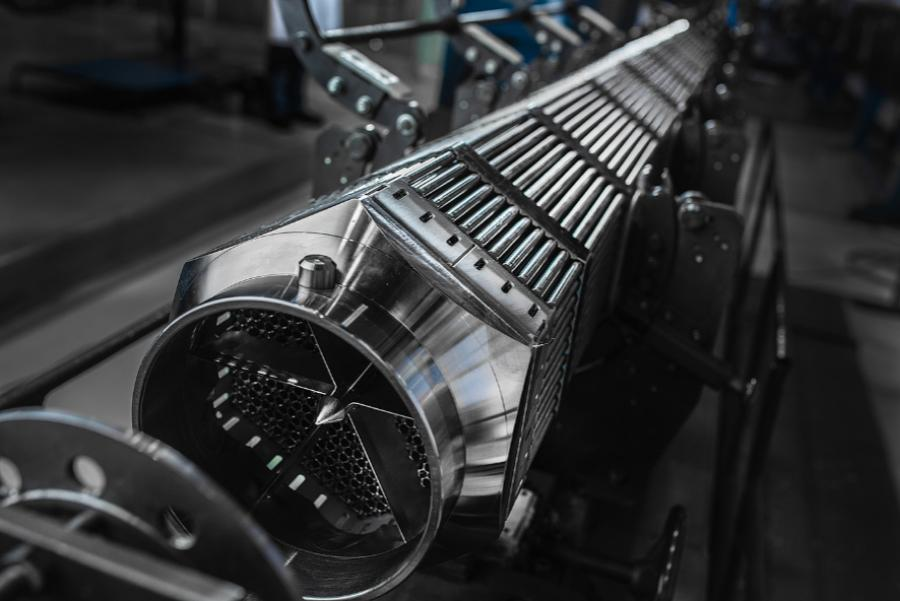
Germany wants independence from Russian nuclear fuel, using Rosatom as a bridge
Europe’s effort to break its dependence on Russian nuclear fuel has a paradox in Germany: making Russian-designed fuel without buying it from Russia ...
News
Publish date: October 5, 1999
Written by: Thomas Nilsen
News
At the Sunday meeting in Moscow between the head of the Russian Nuclear Minister, or Minatom, Yevgeny Adamov, and his American counterpart Bill Richardson, Adamov admitted that Russia had continued to conduct subcritical nuclear experiments at Novaya Zemlya in September.
The Washington Post reported on Sunday that Russia in September twice conducted what might have been nuclear explosions at the Novaya Zemlya test site, citing senior US officials. But at the meeting with Richardson in Moscow, Adamov assured that it was only subcritical tests and that Russia had not broken the Comprehensive Test Ban Treaty (CTBT).
"It is well known that the United States and Russia both conduct subcritical experiments each year to maintain the safety of existing armaments," Adamov said at the Sunday’s meeting.
Richardson replied reportedly that the U.S. would appreciate if Russia gave American experts access to the test site to make sure that only subcritical experiments were conducted there.
U.S. intelligence officials said earlier that Russia conducted a subcritical test at Novaya Zemlya on September 8. Last year, Russian Deputy Nuclear Minister, Victor Mikhailov, said Russia would perform at least eight subcritical tests in 1999.
The tests are carried out at the northern test range near Matochkin Shar area at Novaya Zemlya. The CTBT does not prohibit subcritical nuclear bomb tests, because the amount of plutonium or uranium used is insufficient to create a nuclear explosion. Subcritical experiments contain the ingredients of a nuclear bomb, but fizzle out without any thermonuclear blast and are not supposed to be accompanied by radioactive emissions.
Europe’s effort to break its dependence on Russian nuclear fuel has a paradox in Germany: making Russian-designed fuel without buying it from Russia ...
Nearly four and a half years after Russia’s full-scale invasion of Ukraine, July offered fresh evidence of how difficult it remains to disentangle Ru...
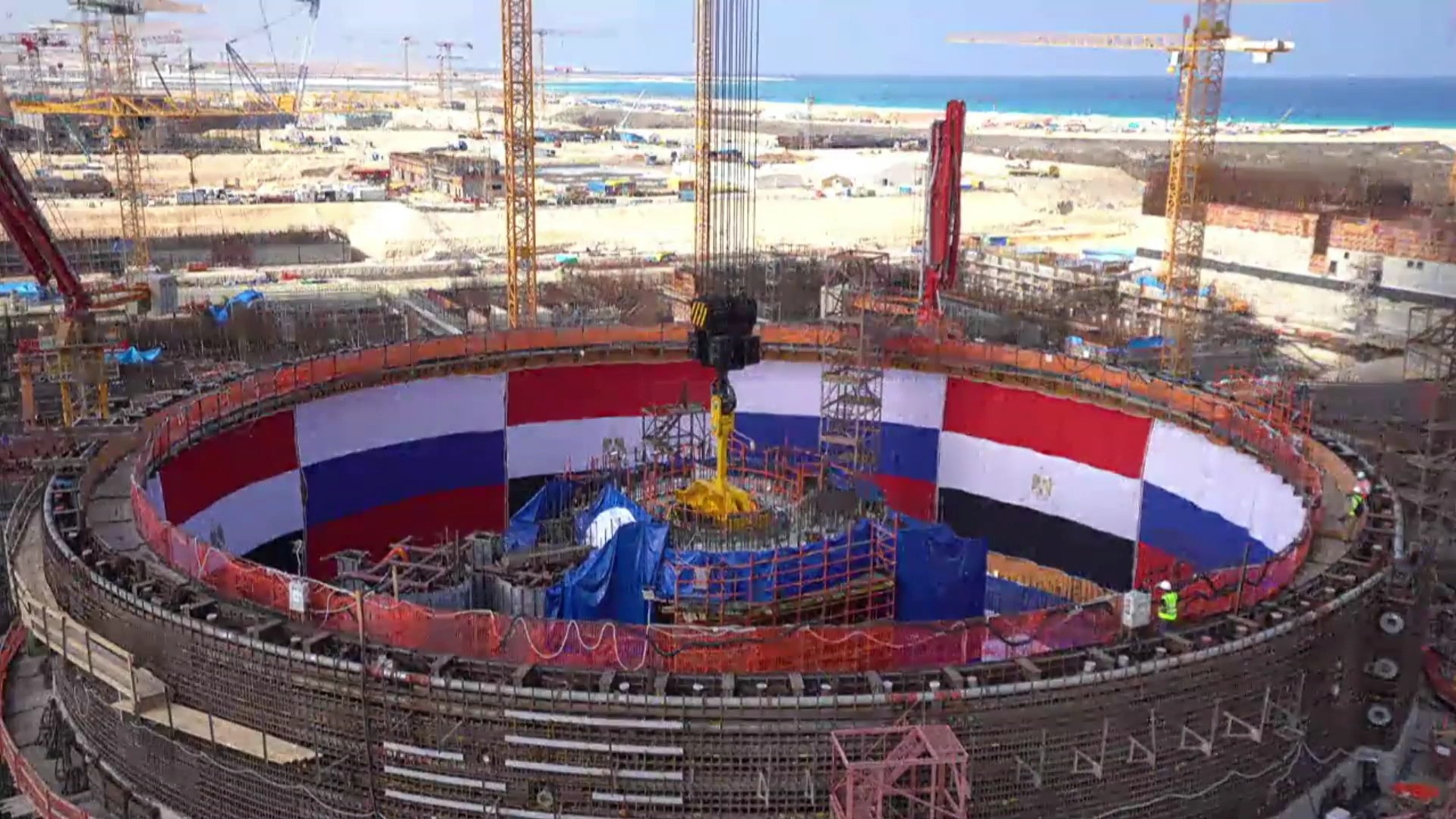
Just days after Egyptian nuclear authorities reportedly accused Rosatom of construction defects, poor management and vi...
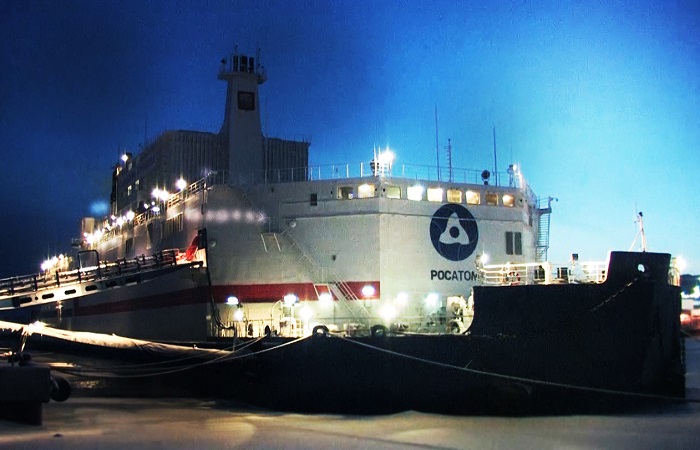
For years, the Akademik Lomonosov looked like one of the nuclear industry’s more eccentric experiments: two reactors mounted on a barge and tow...