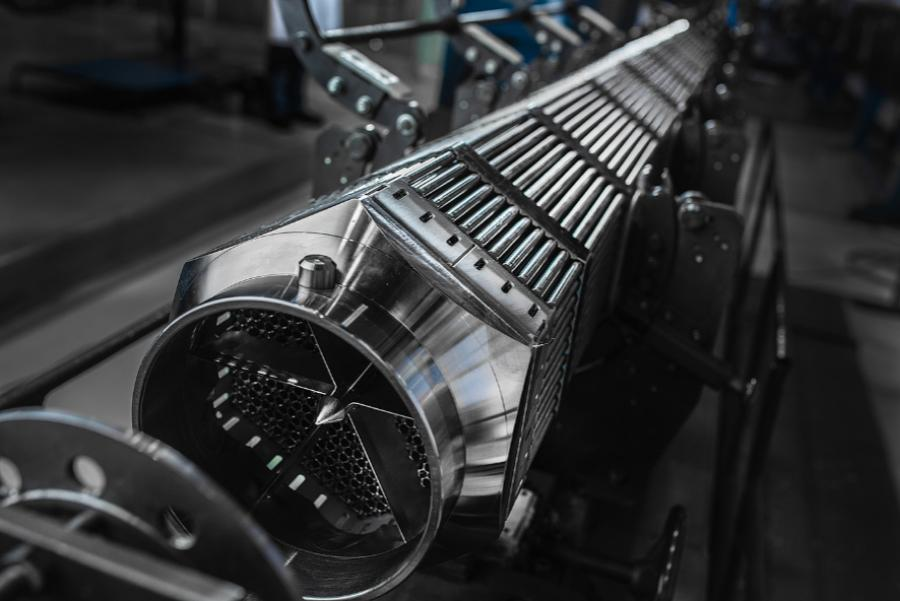
Germany wants independence from Russian nuclear fuel, using Rosatom as a bridge
Europe’s effort to break its dependence on Russian nuclear fuel has a paradox in Germany: making Russian-designed fuel without buying it from Russia ...
News
Publish date: April 8, 1997
Written by: Igor Kudrik
News
In February this year it was decided to create an investment company, incorporating the scientific institutions which developed the KNPP-2 reactors, Kola Nuclear Power Plant, and some of the metallurgical companies on the Kola Peninsula, to fund the construction of Kola Nuclear Power Plant no.2 (KNPP-2). According to the head of the company, Vladislav Elochin, it has already received some money from Russian and foreign financial institutions. Negotiations have been held with the European Bank of Reconstruction and Development.
The Russian 1997 budget allocates 7 million dollars to the construction of KNPP-2, but this sum will only cover preparatory works on the construction site and salaries for the employees. The total construction cost is an estimated 5.5 billion USD.
Based on this difficult financial situation, the Murmansk County administration wants to attract western investments into the project. Believing that the Scandinavian countries will be interested in buying cheap energy, and consequently in the construction of the new nuclear power plant, Mr. Elochin suggests to put up electricity transformation lines from Polyarnye Zori (where the plant is to be located) down through Alakurti and over the border to Finland, there to be connected to the Scandinavian energy network. The cost of this project is some 200 million USD.
Previous Murmansk County administration attempts at getting loans for the construction of the KNPP-2 were not a success: The Scandinavian neighbours were quite reluctant to the idea of getting three new nuclear reactors close to their boarders. Potentially, Sweden and Finland might be interested in the project: Sweden is planning to shut down its 12 nuclear reactors by the year 2010, while Finland has been a consumer of energy produced by the existing Kola Nuclear Power Plant for years.
Europe’s effort to break its dependence on Russian nuclear fuel has a paradox in Germany: making Russian-designed fuel without buying it from Russia ...
Nearly four and a half years after Russia’s full-scale invasion of Ukraine, July offered fresh evidence of how difficult it remains to disentangle Ru...
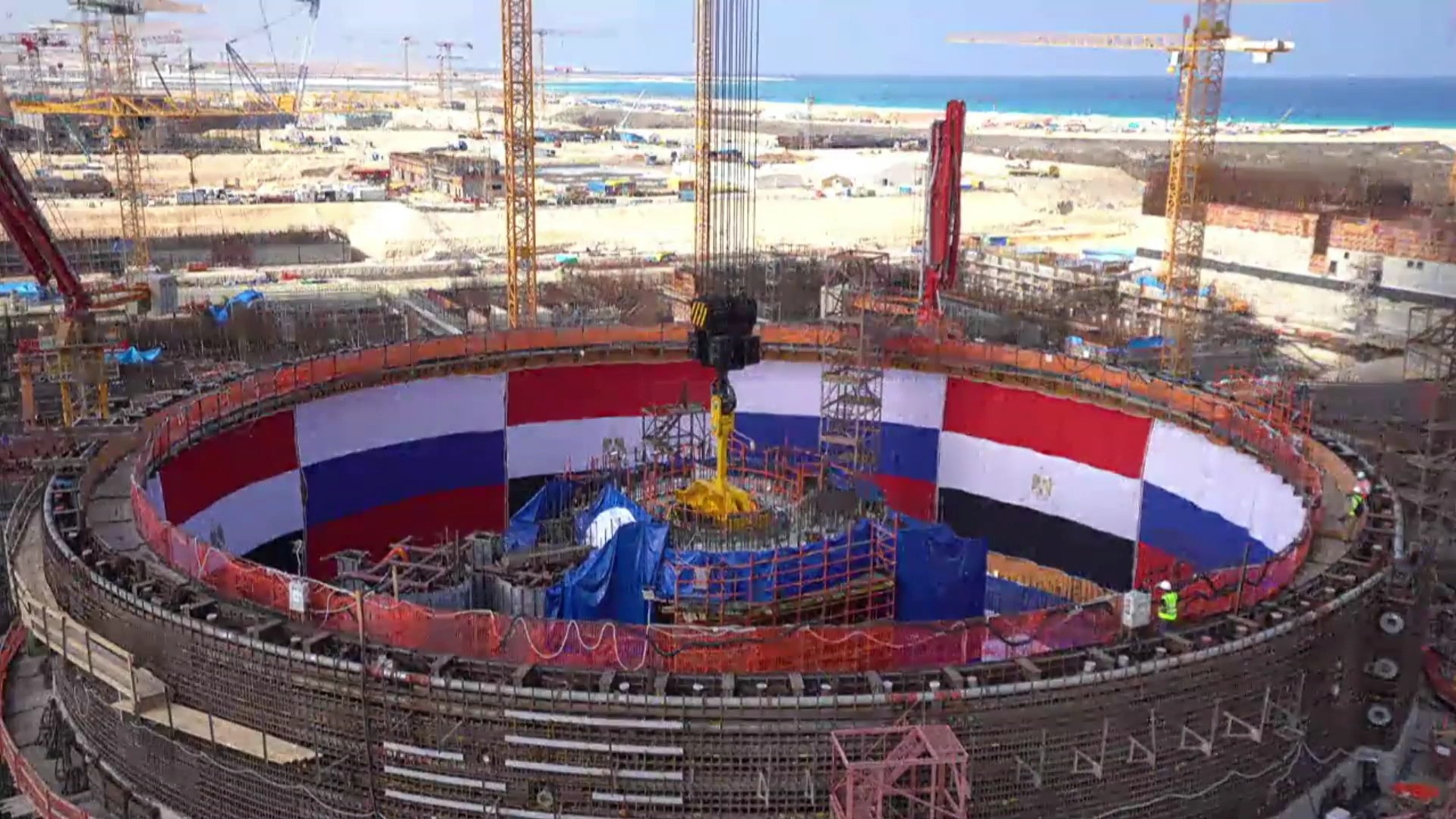
Just days after Egyptian nuclear authorities reportedly accused Rosatom of construction defects, poor management and vi...
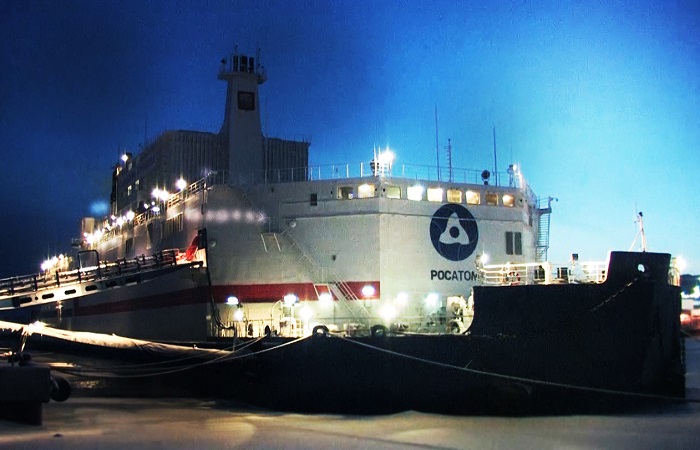
For years, the Akademik Lomonosov looked like one of the nuclear industry’s more eccentric experiments: two reactors mounted on a barge and tow...