
Europe’s Russian LNG Dilemma Deepens as Shadow Fleet Risks Mount in the Arctic
As the European Union tightens sanctions on Moscow, Russia’s Arctic energy exports continue to find buyers—and increasingly rely on opaque and potent...
News
Publish date: June 28, 2004
News
According to the Russian Parliament the lighthouses were accidentally dropped from the helicopters in the Okhotskoye Sea during transportation. Each lighthouse of IEU-1 type weighs 2.5 ton and its total radioactivity is 1.5 million curie. It can leak strontium-90 into the marine environment and lead to irreversible consequences in the local regions.
The head of the press service of the Russian Pacific Fleet Alexander Kosolapov said to the daily Vladivostok, that the radiation level was normal in the area where the nuclear lighthouses had been lost. The exact places, however, are not known. The search works in the sea require about $700,000, but the Russian navy cannot afford it. It would be easier to find them if they emitted radiation, Kosolapov added.
Director-coordinator of the Far East environmental organisation Green Cross Alexander Malyshev said that back in 1999 they had asked prime-minister Vladimir Putin to arrange expedition to locate and salvage the nuclear powered lighthouses, RusEnergy reported.
As the European Union tightens sanctions on Moscow, Russia’s Arctic energy exports continue to find buyers—and increasingly rely on opaque and potent...

A fundraising campaign launched by the Bellona Foundation has succeeded in securing the organization’s future and averting bankruptcy. ̶...
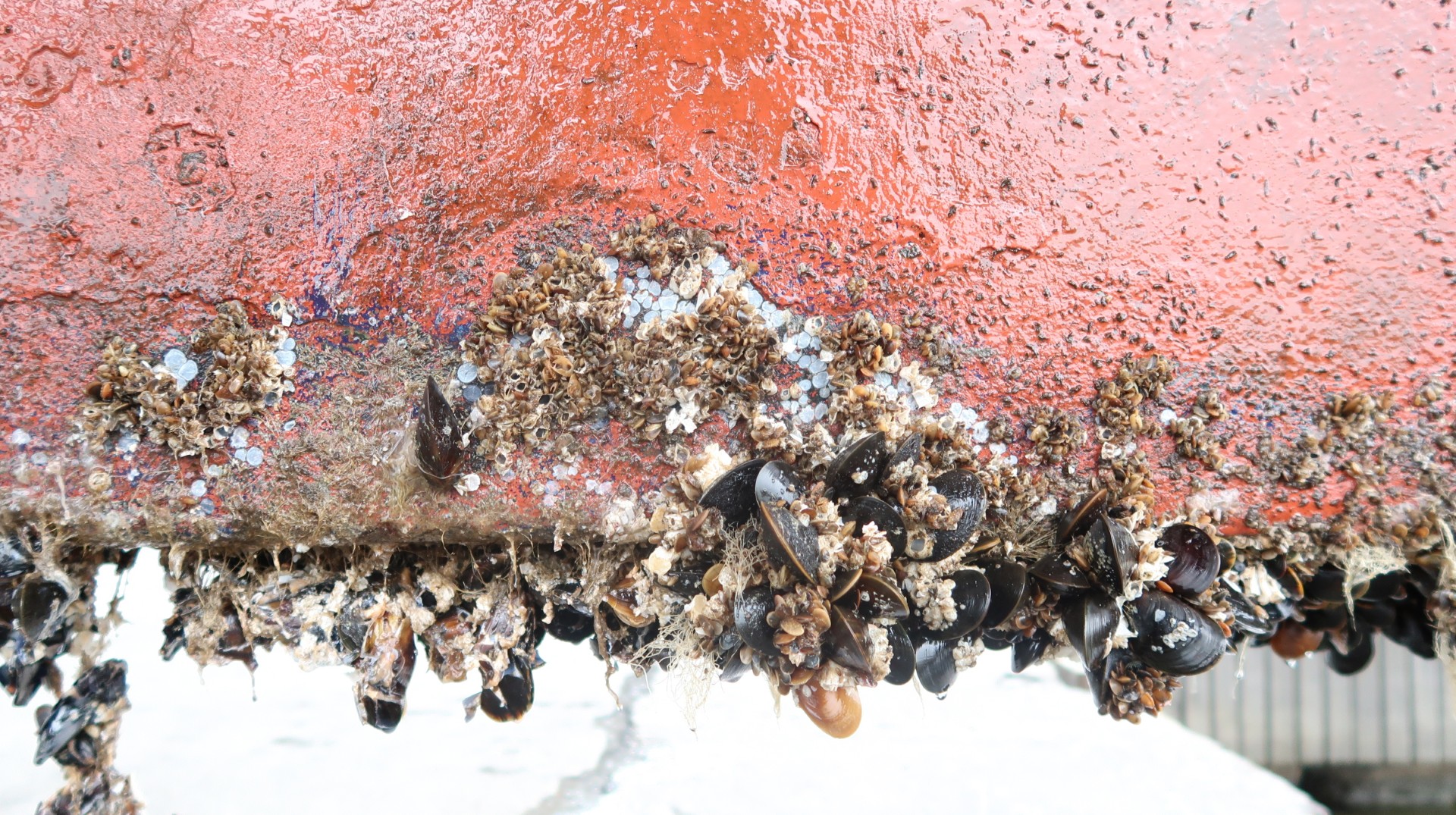
The shipping industry has a harmful secret—hiding just beneath the waterline. Barnacles, algae and microbial slime covering ship hulls may seem like ...

Last night, a Russian drone struck a spent nuclear fuel storage facility at Chernobyl. It is precisely this kind of event that Bellona has spent near...