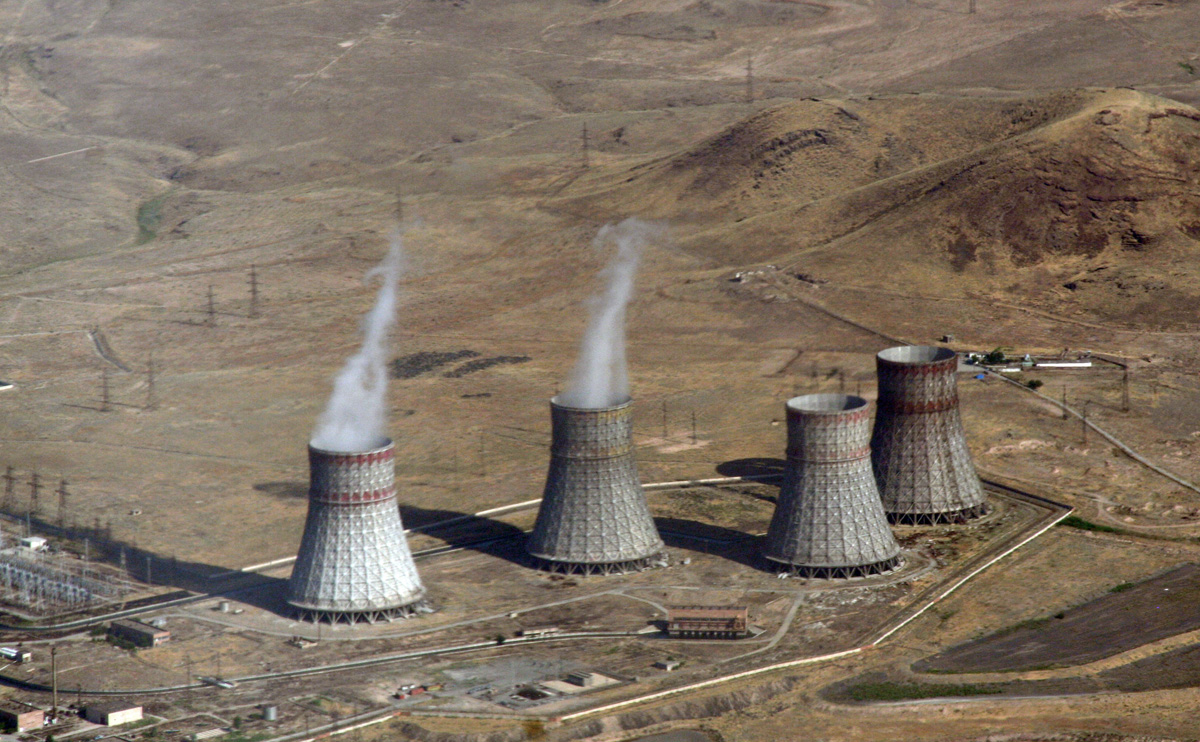
Armenia reconsiders nuclear future as Rosatom offers replacement for aging Soviet reactor
Armenia is reconsidering its plans for a new nuclear power plant after a fresh proposal from Russia’s state nuclear corporation Rosatom and a s...
News

Publish date: October 15, 2018
News
Russian scientists have said that radioactive waste sunk in the Arctic by the Soviet Navy has not leaked any contamination, but have urged Moscow to continue funding observation of the underwater nuclear wrecks.
Data on the scuttled cargoes –– which includes several thousand containers of radioactive waste, as well as an entire nuclear submarine –– come from a month-and-a-half-long expedition in the Kara Sea conducted by the Russian Academy of Sciences Institute of Oceanology.
Mikhail Flint, the institute’s head, told reporters last week that scientists on the expedition had managed to significantly improve their maps of where the sunken waste lies, especially in the area of the Novaya Zemlya archipelago, a former Soviet nuclear bomb testing site.
From Novaya Zemlya’s craggy coast, the expedition conducted additional research mapping radioactive hazards in the White Sea, and then progressed to the Laptev Sea some 2000 nautical miles to the east.
Since the first decades of the 2000s, these mapping and measuring expeditions have taken place on an annual basis. Environmentalists fear the waste could eventually rupture and spoil thousands of square kilometers of fertile Arctic fishing grounds.
Beginning in 1955 and continuing until the early 1990s, the Russian Navy dumped enormous amounts of irradiated debris — and it one case an entire nuclear submarine — into the waters of the Arctic. It was not, however, until 2011 that the Russian government admitted this on an international level.
That year, Moscow shared with Norwegian nuclear officials the full scope of the problem. The list of sunken objects was far more than had initially been thought, and included 17,000 containers of radioactive waste; 19 ships containing radioactive waste; 14 nuclear reactors, including five that still contain spent nuclear fuel; the K-27 nuclear submarine with its two reactors loaded with nuclear fuel, and 735 other pieces of radioactively contaminated heavy machinery.
Moscow routinely promises to lift the submarine, but actual plans to do have yet to materialize.
Armenia is reconsidering its plans for a new nuclear power plant after a fresh proposal from Russia’s state nuclear corporation Rosatom and a s...

Russia’s state nuclear corporation Rosatom has taken full control of one of the country’s largest logistics companies, consolidating an expanding tra...
August brought signs of growing pressure on several fronts for Russia’s state nuclear corporation Rosatom, from questions surrounding major construct...
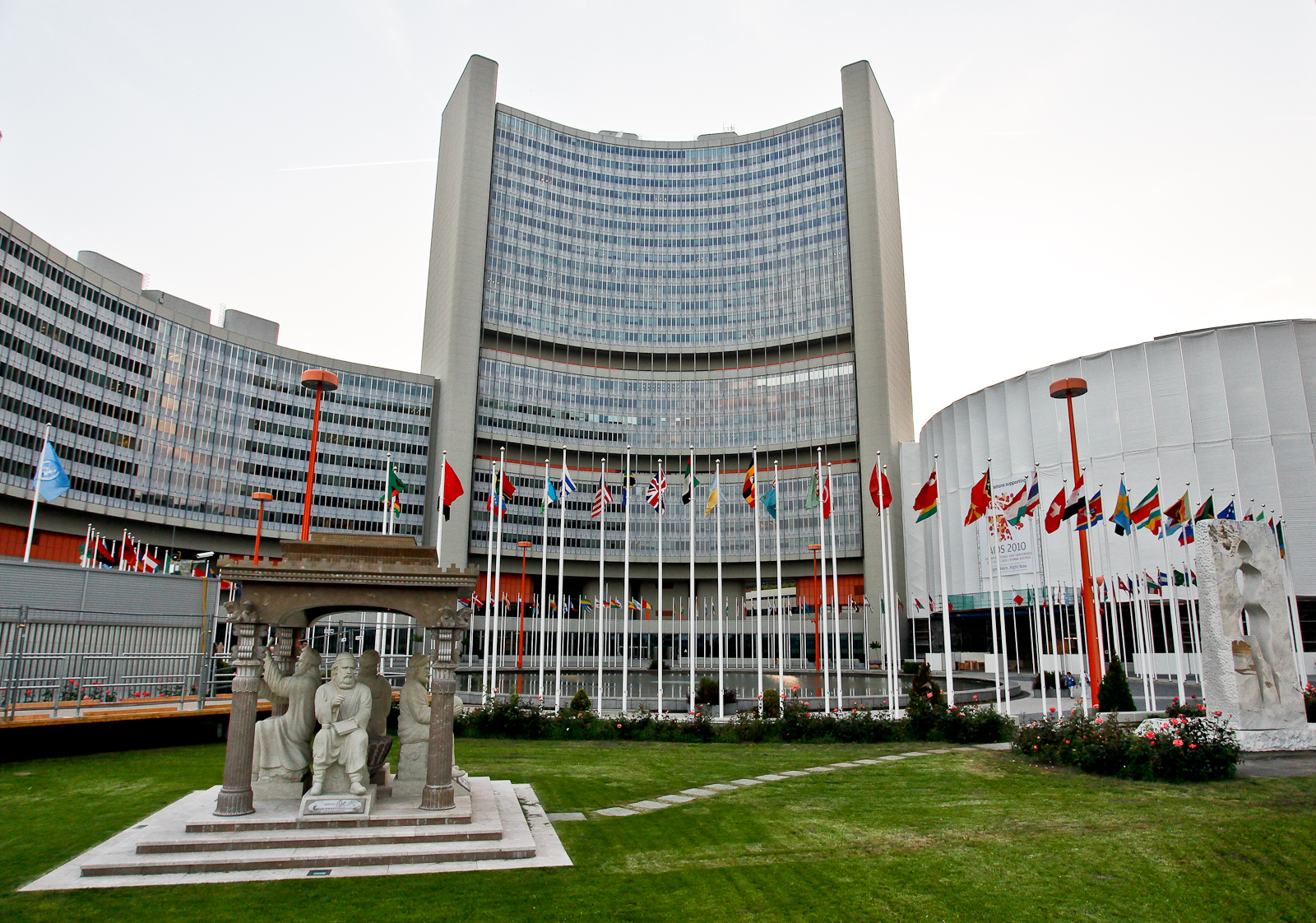
The International Atomic Energy Agency has suspended one of its most senior Russian officials — but for reasons largely unrelated to the questions ab...