
From reactors to shipping: Rosatom tightens its grip on Russian transport
Russia’s state nuclear corporation Rosatom has taken full control of one of the country’s largest logistics companies, consolidating an expanding tra...
News

Publish date: May 30, 2022
News
On 20 May, the European Commission published two documents (here and here) that set the rules for the production of hydrogen, among other renewable fuels. The timing in itself, late Friday evening, is a good indication that the Commission was trying to avoid too much attention, because the Delegated Acts are a serious threat to any serious climate ambition, to the energy independence of the EU, and to citizens who will see their risk of energy poverty majorly increase.
At Bellona Europa, we have been working tirelessly these past years to ensure that the production of renewable hydrogen is truly based on renewables. Renewable, or green, hydrogen is made with electrolysers that require vast amounts of electricity. This can potentially cannibalise existing renewable electricity, driving other demand towards fossil-based sources, if it is not matched with additional renewable electricity generation.
Why would the Commission undermine its own climate ambitions? Because it waited a full year after these documents were first announced to finally publish them, and in the meantime set ever increasing hydrogen targets in a panicked and short-sighted bid to replace fossil gas, while being encouraged by industry interests. Unfortunately, these reviewed ambitions achieve the exact opposite of what they claim to do. With a few mentions of additionality – a principle that forces producers of hydrogen to ensure the source of their renewable electricity comes from additional renewable electricity generation capacity – the Commission tries to hide a wide array of opt-outs that wipe out the climate benefits of green hydrogen.
One problematic rule is the grandfathering clause: aside from the very weak rules in place during the transitional period (until 2027) – that could ensure a quick ramp up of production – the grandfathering clause means any production online before 2027 will not have to abide by stricter rules on additionality, for its entire lifetime, putting any subsequent production at an unacceptable disadvantage.
Worse yet, some clauses essentially nullify any additionality requirements. Electrolysers can freeride on renewables already on the grid, and often be paid for by citizens through subsidies, for instance running by night based on the yearly average solar power generation of a region, and during the day on a direct contract with an existing solar farm. Electrolysers can also run on the grid on low–carbon (typically heavy nuclear-reliant) grids to claim renewable and low-carbon production despite adding no electricity production to that grid and pushing the remaining demand to fossil sources.
We anxiously await further feedback from the Commission, hoping to be proved wrong, but our initial reading of these documents is damning for the climate, for the EU’s geopolitical position in the world and credibility among its allies, and for its consumers, worsening their fate amidst already historic inflation.
Russia’s state nuclear corporation Rosatom has taken full control of one of the country’s largest logistics companies, consolidating an expanding tra...
August brought signs of growing pressure on several fronts for Russia’s state nuclear corporation Rosatom, from questions surrounding major construct...
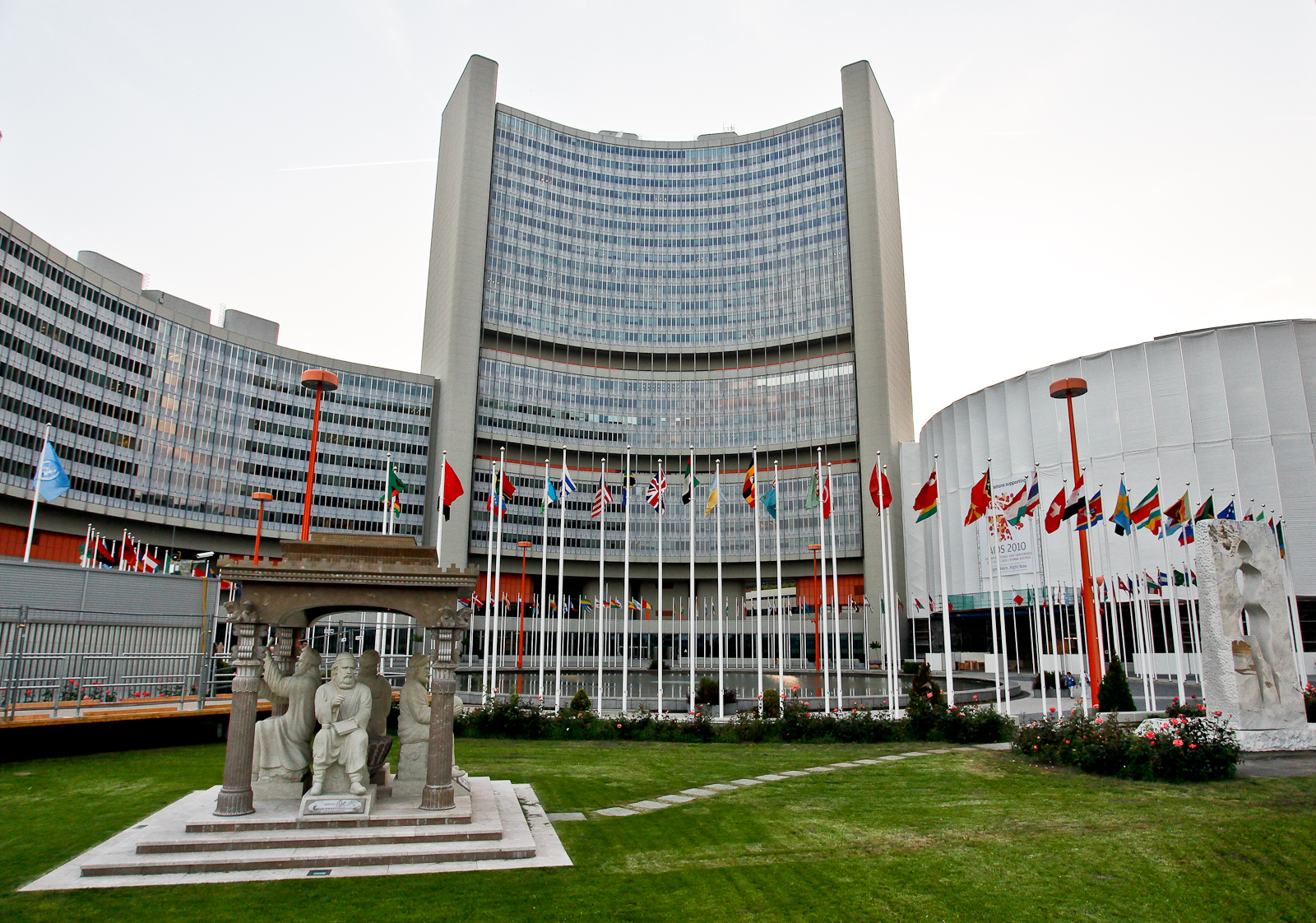
The International Atomic Energy Agency has suspended one of its most senior Russian officials — but for reasons largely unrelated to the questions ab...
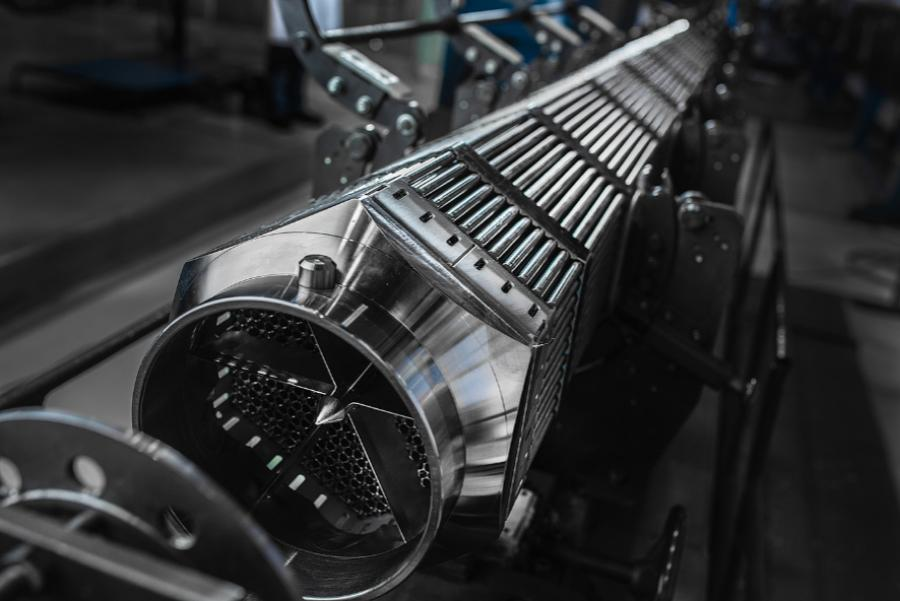
Europe’s effort to break its dependence on Russian nuclear fuel has a paradox in Germany: making Russian-designed fuel without buying it from Russia ...