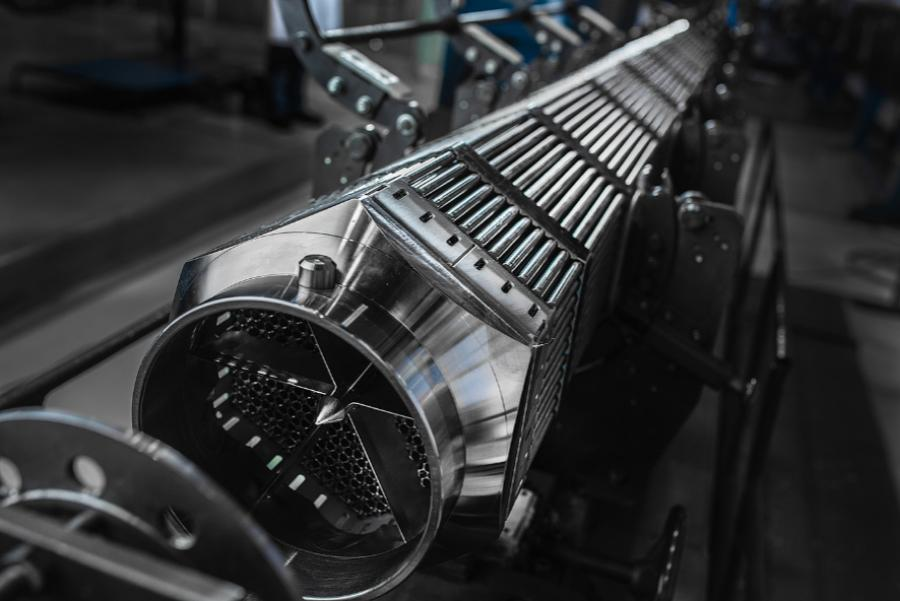
Germany wants independence from Russian nuclear fuel, using Rosatom as a bridge
Europe’s effort to break its dependence on Russian nuclear fuel has a paradox in Germany: making Russian-designed fuel without buying it from Russia ...
News

Publish date: January 14, 2010
Written by: Veronica Webster
News
Moving forward, Hedegaard urged for deeper cuts in CO2 emissions in EU member states. At present, the target is a reduction of one-fifth of emissions below 1990 levels by 2020. Hedegaard underscored the need for deeper emissions cuts of at least a 30 percent reduction below 1990 levels by the same deadline.
She also professed a personal opposition to nuclear energy, reminding members of parliament that her country had chosen to renounce it the 1980s, focusing instead on renewables.
“(…) Nuclear energy is not a renewable energy source in my view,” she stressed.
With reference to the current economic climate, Hedegaard made a clear link between economic prosperity and climate change abatement measures.
“In five years time, I would like to see a changed Europe. A Europe that is the most climate friendly region in the world and that is living proof that by investing in energy efficiency and climate friendly technologies you do not lose. You gain,” said Hedegaard in her introductory speech.
She also warned that the European Union would be left out if it did not embrace new green technologies and low CO2 energy sources in a timely manner.
“If we drag our feet, Europe will lose. Lose growth, jobs, welfare,” said Hedegaard.
“China is moving – and moving fast. The US now understands the message and moves rapidly on energy efficiency and technology. Like Japan, Brazil, South Korea. In other words: Europe’s strongholds are challenged,”explained Hedegaard.
When asked about the possibility of introducing a CO2 Emission Performance Standard (EPS) – a limit on CO2 emissions per kWh electricity produced, in order to make CCS mandatory for fossil fuel power plants – by Satu Hassi, Finnish Green member of the European Parliament, Hedegaard responded cautiously.
“We should not rush into this. If we have performance standards, how would we be guaranteed that some countries would not just prolong the life-time of the old ones?”
Nevertheless, she did not reject an impact assessment of an EPS“ within 12 months.”
In the meantime, Hedegaard promised to work hard on globalising the EU emissions-trading scheme (ETS).
“I will work very hard to bring about an international carbon market across as many countries as possible of the OECD by 2015. My objective is to link the EU ETS with the US, if possible by 2015,” she said.
“It is very encouraging that Hedegaard has an open mind on combining the ETS with other tools such as an EPS to phase-out unabated fossil fuel power,” Eivind Hoff from Bellona Europa says.
Europe’s effort to break its dependence on Russian nuclear fuel has a paradox in Germany: making Russian-designed fuel without buying it from Russia ...
Nearly four and a half years after Russia’s full-scale invasion of Ukraine, July offered fresh evidence of how difficult it remains to disentangle Ru...
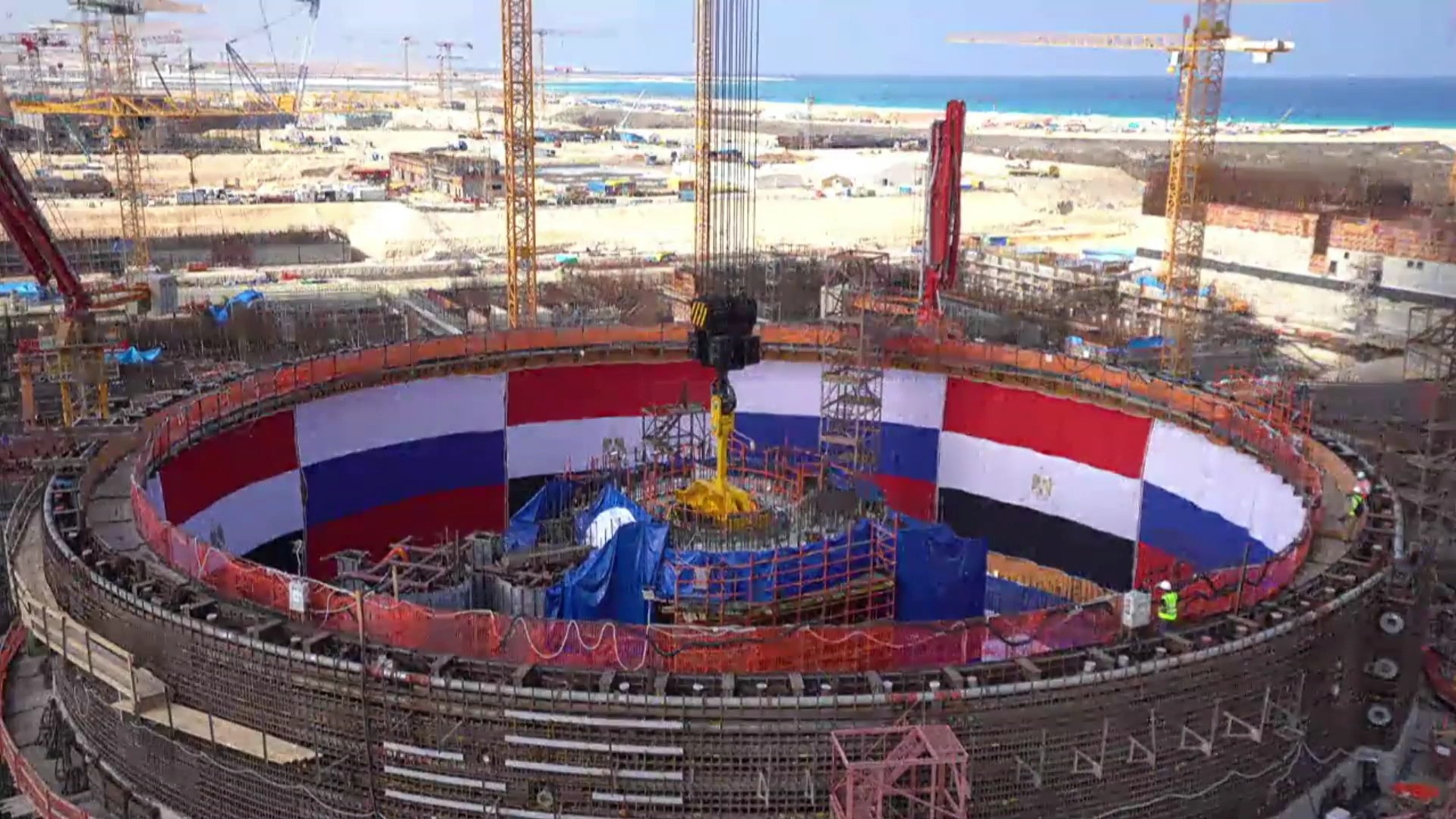
Just days after Egyptian nuclear authorities reportedly accused Rosatom of construction defects, poor management and vi...
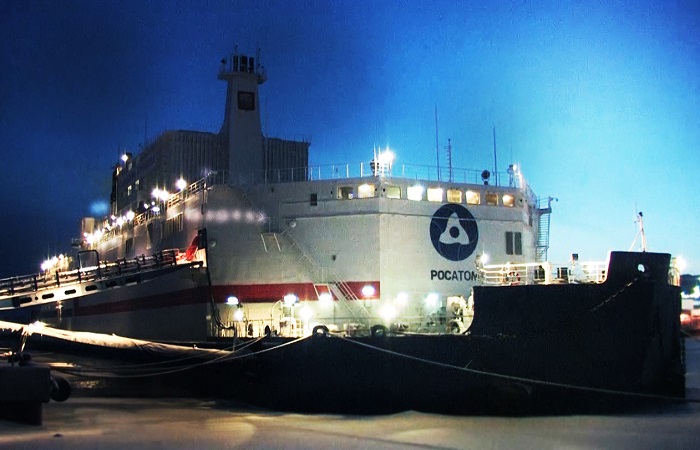
For years, the Akademik Lomonosov looked like one of the nuclear industry’s more eccentric experiments: two reactors mounted on a barge and tow...