
From reactors to shipping: Rosatom tightens its grip on Russian transport
Russia’s state nuclear corporation Rosatom has taken full control of one of the country’s largest logistics companies, consolidating an expanding tra...
News

Publish date: March 16, 2022
News
Eliminating both internal combustion engines and fossil fuel inputs in industry around the world means a big increase in our electricity consumption, but doesn’t necessarily require that much more from the power grid as you might think. A huge increase in the use of batteries represents both a challenge and an essential part of the solution.
Despite high electricity prices recently, the long-term goal is for a much larger share of our energy consumption to become electric. Power systems in Europe are subject to major changes in the years to come, both due to the phasing out of fossil energy and new geopolitical realities. In this video, Benjamin Strandquist from our Oslo office explains how increasing the use of batteries in vehicles, ships and industry represents a smaller challenge than you might think, because batteries themselves can help balance power consumption on a large scale.
Requiring all chargers to be smart ready will enable a roll-out of infrastructure that can both support the much-needed switch to direct electrification, and help the grid to cope with the integration of high penetration of non-dispatchable renewables. Only smart chargers can ensure that the batteries of the EV fleet become useful to the grid, by providing balancing services, instead of creating a further demand peak that will require power generation from fossil fuels to be met. If smart charging does not get extended to all chargers in the Energy Performance of Buildings Directive (EPBS) and the Alternative Fuel Infrastructure Regulation (AFIR), Europe will risk locking-in charging technologies that will be already outdated the moment they get deployed.
Russia’s state nuclear corporation Rosatom has taken full control of one of the country’s largest logistics companies, consolidating an expanding tra...
August brought signs of growing pressure on several fronts for Russia’s state nuclear corporation Rosatom, from questions surrounding major construct...
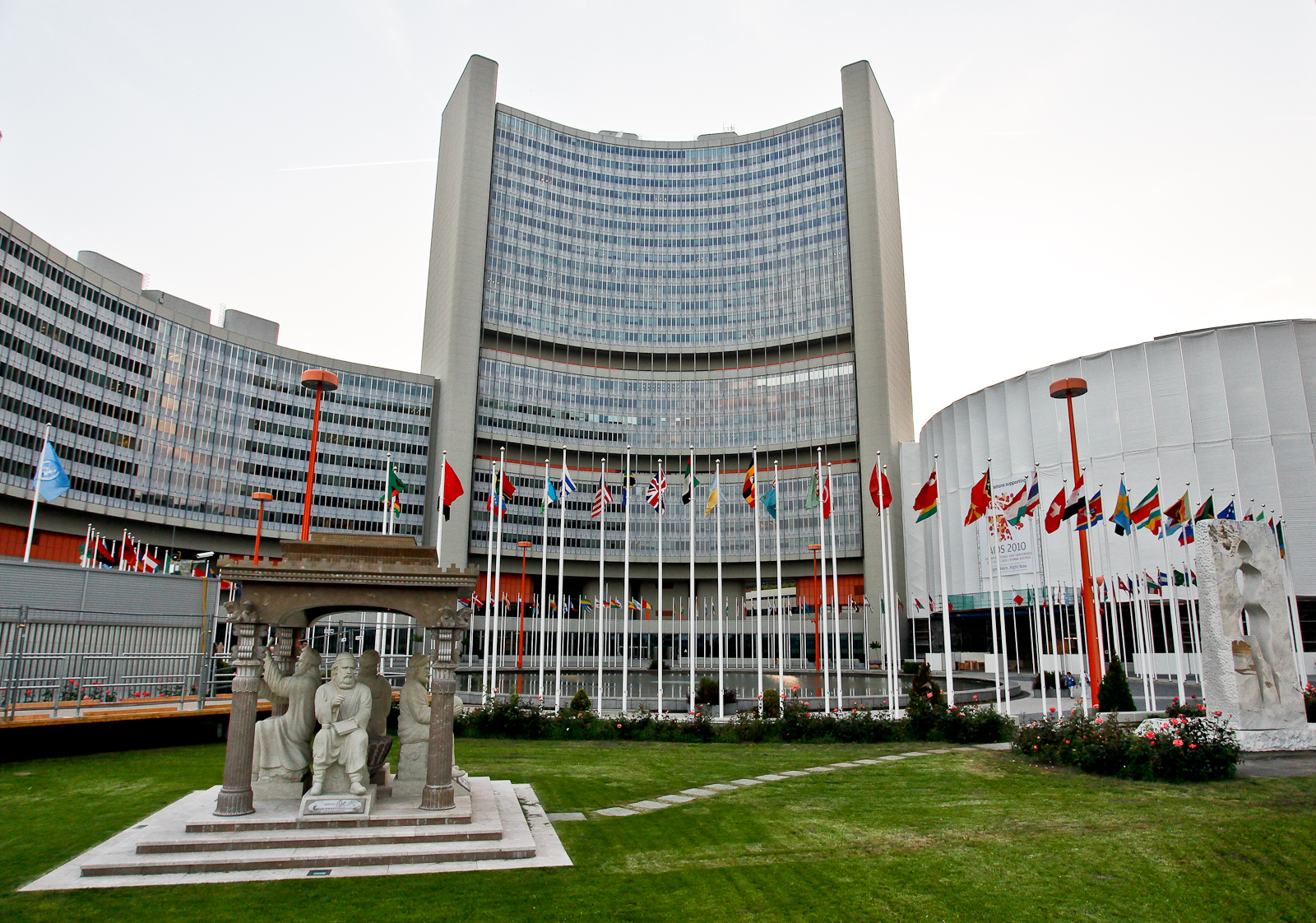
The International Atomic Energy Agency has suspended one of its most senior Russian officials — but for reasons largely unrelated to the questions ab...
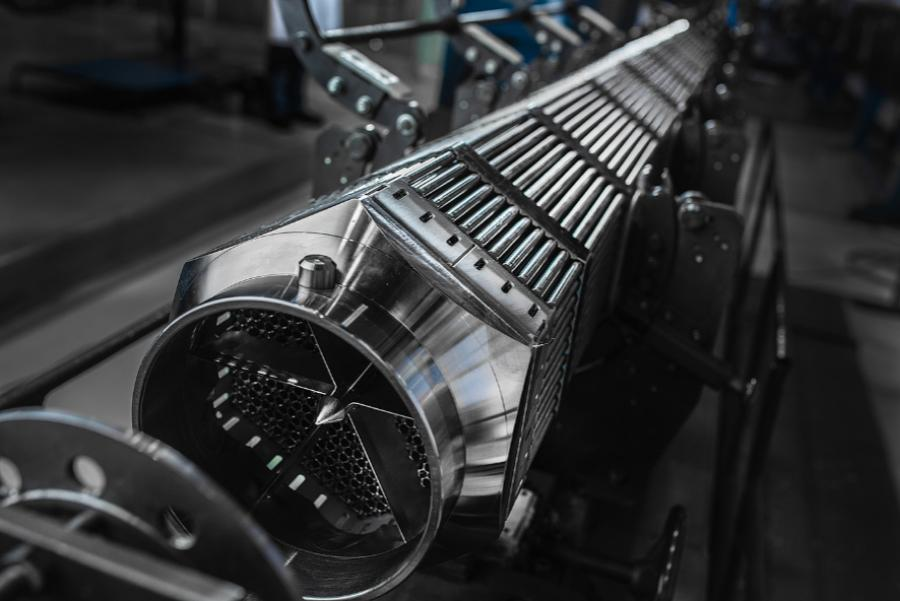
Europe’s effort to break its dependence on Russian nuclear fuel has a paradox in Germany: making Russian-designed fuel without buying it from Russia ...