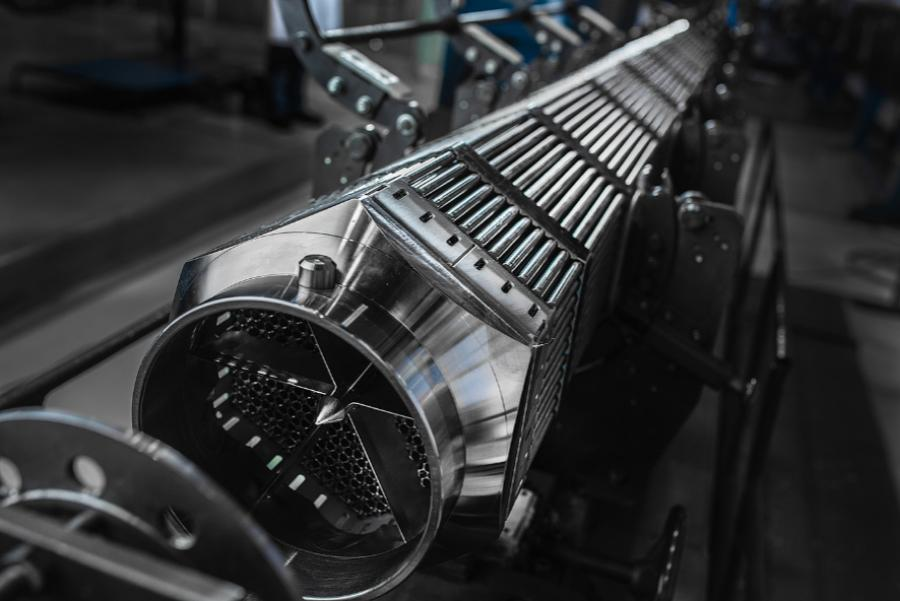
Germany wants independence from Russian nuclear fuel, using Rosatom as a bridge
Europe’s effort to break its dependence on Russian nuclear fuel has a paradox in Germany: making Russian-designed fuel without buying it from Russia ...
News
Publish date: November 30, 2010
Translated by: Charles Digges
News
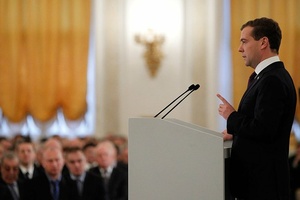
In his opening remarks, Medvedev announced that he did not consider Russia’s environmental condition to be altogether favourable. Medvedev said the most important task toward preserving the health of the nation was environmental protection.
“The health of the nation depends on how we leave the natural habitat to our descendents,” he said.
Medvedev further emphasized the necessity of implementing contemporary natural preservation management systems. To achieve this, Medvedev’s opinion, current conditions must be evaluated, and normative environmental qualities and requirements of production facilities must be developed.
Environmental quality, said Medvedev, must become one of the fundamental indicators of socio-economic development of Russia’s territories and a criteria for measuring the effectiveness of territorial authorities.
Medvedev remarked on environmental amnesty in his address. Environmental amnesty, according to Medvedev, is possible “if companies take upon themselves strict obligations toward environmental reclamation in the territories.”
Medvedev called for leniency by asking that fines not be levied agaist those businesses “who are really fulfilling this program [of environmental reclaimation].”
It is worth nothing that the president put an accent on “the decisive role in environmental defence that the public must play,” and the extremely important function that ecological education is taking on.
But perhaps Medvedev’s most important announcements concerned the need for authorities and non-governmental organisations to cooperate during the construction of industrial and infrastructure projects.
“As concerns non-governmental environmental organisations – detailed dialogue and mutually acceptable decisions needs be established with those who really care about nature even before construction begins,” he said.
“I will charge the government with preparing suggestions on this issue,” he continued. As Medvedev spoke, Prime Minister Vladimir Putin, whose past policies have largely failed to take any account of the Russian environment, betrayed no emotion.
“It is gratifying that the president devoted much attention to the environment. This year, Bellona is preparing a report about the conditions of ecological rights of Russian citizens. In November, we requested information for the report from all regional heads and more than a third have responded,” said Nikolai Rybakov, executive director of the Environmental Rights Centre (ERC) Bellona in St. Petersburg. “As such the president can receive such a report first from Bellona and then from authorities.”
Ending that portion of his State of the Nnion address, Medvedev charged the government with developing the corresponding guidelines, and assigned region leaders the task of preparing annual reports on the environment of their territories. And environmental organizations have received a powerful bargaining chip that will allow them to demand dialogue at the highest levels.
Europe’s effort to break its dependence on Russian nuclear fuel has a paradox in Germany: making Russian-designed fuel without buying it from Russia ...
Nearly four and a half years after Russia’s full-scale invasion of Ukraine, July offered fresh evidence of how difficult it remains to disentangle Ru...
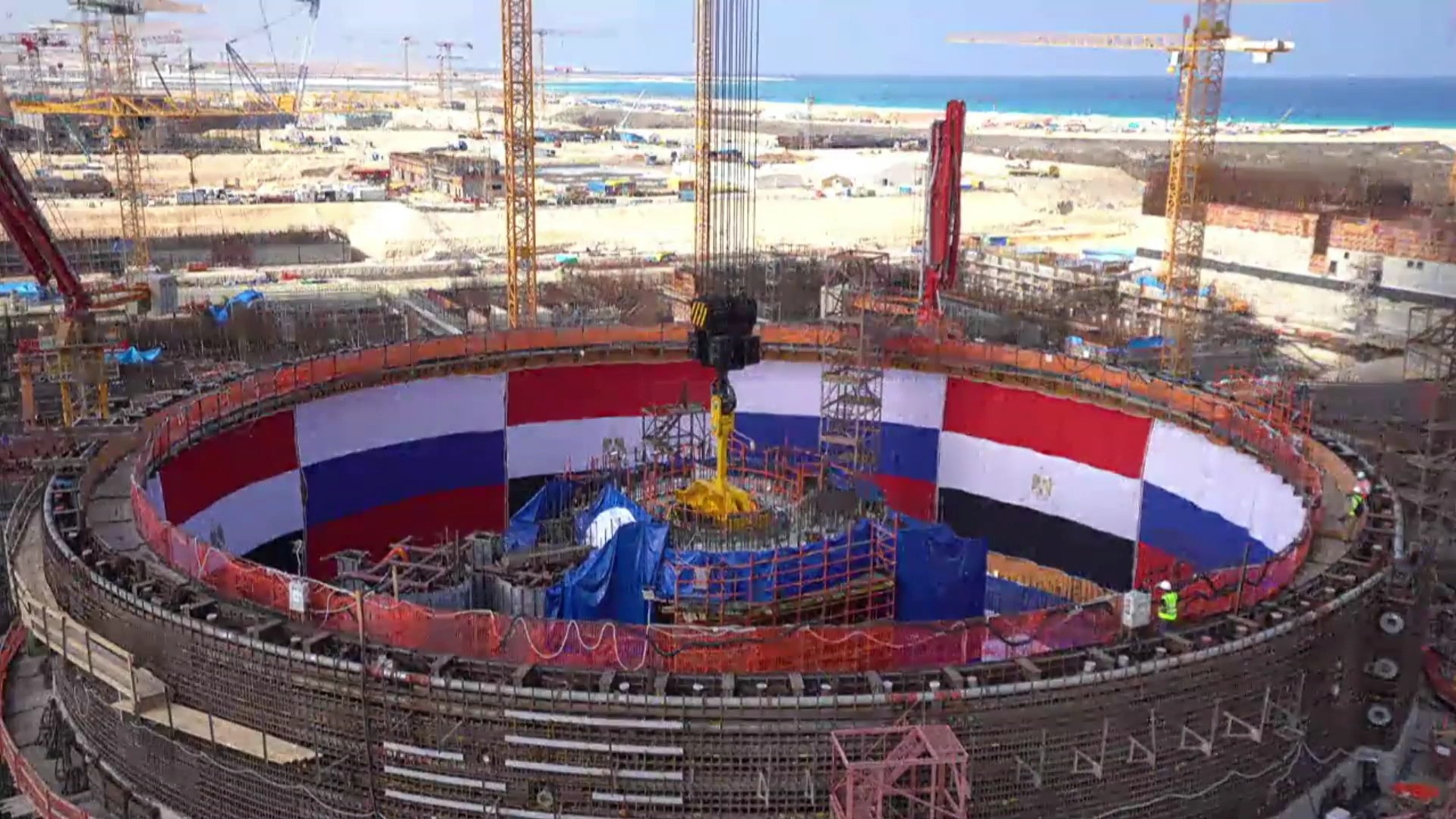
Just days after Egyptian nuclear authorities reportedly accused Rosatom of construction defects, poor management and vi...
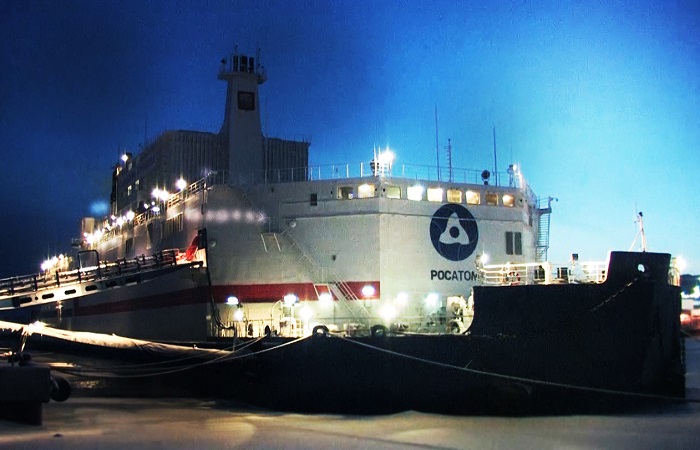
For years, the Akademik Lomonosov looked like one of the nuclear industry’s more eccentric experiments: two reactors mounted on a barge and tow...