
Germany wants independence from Russian nuclear fuel, using Rosatom as a bridge
Europe’s effort to break its dependence on Russian nuclear fuel has a paradox in Germany: making Russian-designed fuel without buying it from Russia ...
News

Publish date: January 15, 2013
News
‘Bellona strongly urges the rapporteur of this dossier, Ivo Belet, to support the definition of the “oil-spill response gap’, as introduced by the Parliament. This specific risk-assessment must be part of any report on major hazards to quantify emergency preparedness. Similarly, technical annexes shall be cross-referred with oil-spill response gap to make sure that competent authorities approve plans only if they meet these requirements’ Frisvold continues.
Oil spills in the Arctic are of great concern because of difficult conditions, lack of infrastructure and distance. Even a minor oil spill may turn into a large spill due to lack of immediate response in difficult weather
Shell Oil was forced to postpone completing wells in the Alaskan Arctic after a spill containment dome was damaged during a testing accident in September last year. Shell’s failure to control its equipment in calm waters and under mild conditions clearly shows that the company would be unable to effectively stop an unexpected oil leak in Arctic waters, when harsh weather would complicate any spill response.
Due to increased interest in Arctic drillings the oil spill response gap is a subject of several studies. In March 2011, WWF Canada published a report providing recommendations for filling this response gap. A “response gap” occurs when “environment conditions exceed the operating limits of oil spill cleanup equipment,” the document defines. A response gap analysis shows the percentage of time at a given location that no response will occur because of logistical and safety reasons. This study is particularly relevant in the Arctic where extreme conditions prevent an immediate response.
The definition introduced to the offshore safety directive by the European Parliament in a vote in October last year reads as follows:
‘oil spill response gap’ shall mean: a situation in which activities that may cause an oil spill are conducted at times when an effective response cannot be achieved, either because technology available will not be effective or because its deployment is precluded by environmental conditions or other limiting factors’
However, according to leaked UK position, oil spills can be dispersed by wind and wave action and this is in itself a form of effective “response”. On this basis, it should be deleted from the text and mentions of it should not be placed in the annexes that deal with details of major hazard reports and emergency response plans, the UK argues.
The first informal trialogue on the offshore safety dossier was held on the 29 November. Technical meetings are being held now to explore details of compromises. The final text will provide clarity on environmental liability following an offshore accident, public participation in offshore licensing process and on details of major hazard report as well as the role of competent authorities. The Irish presidency plans to get final adoption by the Energy Council on 22 February.
Europe’s effort to break its dependence on Russian nuclear fuel has a paradox in Germany: making Russian-designed fuel without buying it from Russia ...
Nearly four and a half years after Russia’s full-scale invasion of Ukraine, July offered fresh evidence of how difficult it remains to disentangle Ru...
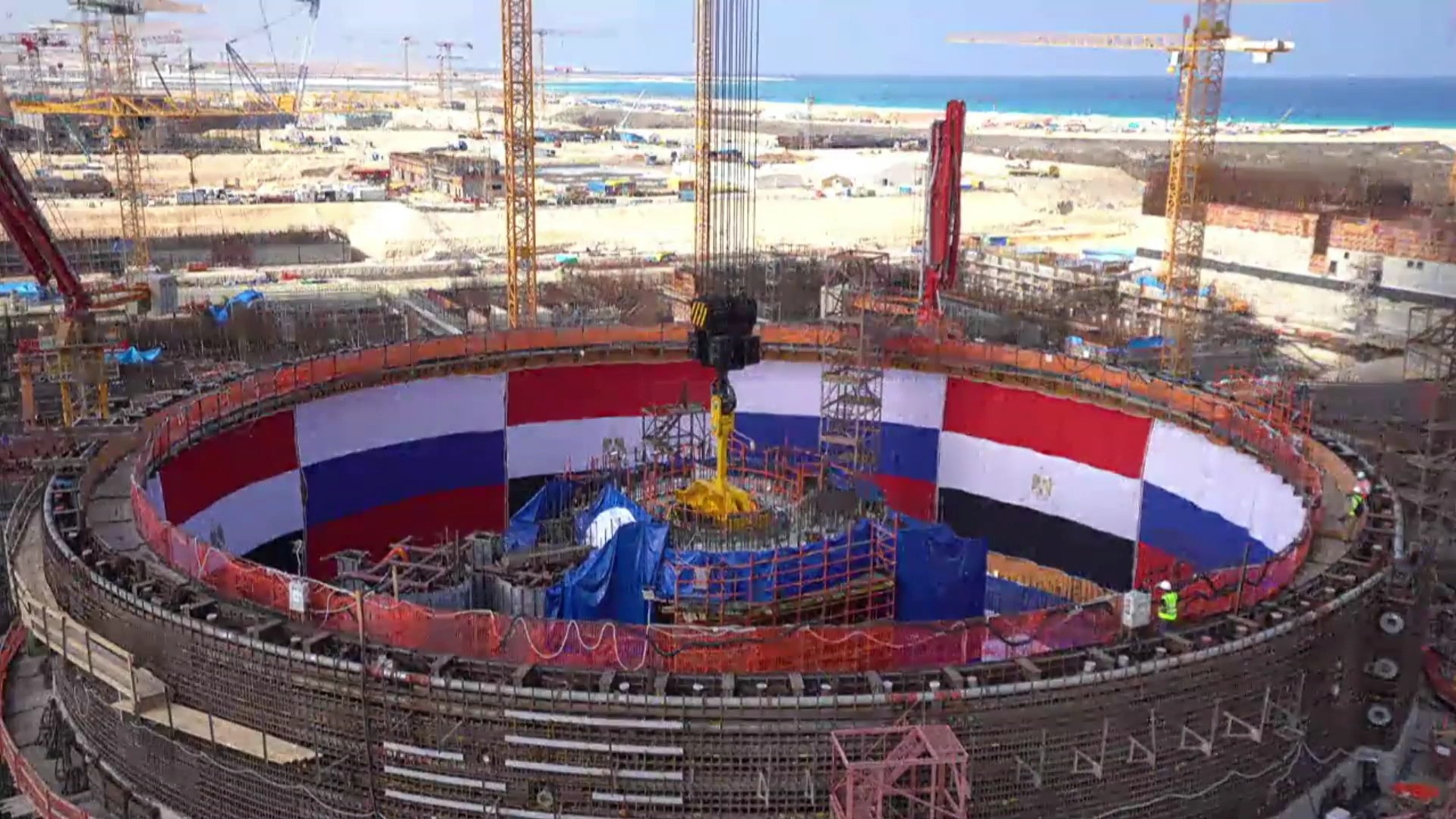
Just days after Egyptian nuclear authorities reportedly accused Rosatom of construction defects, poor management and vi...
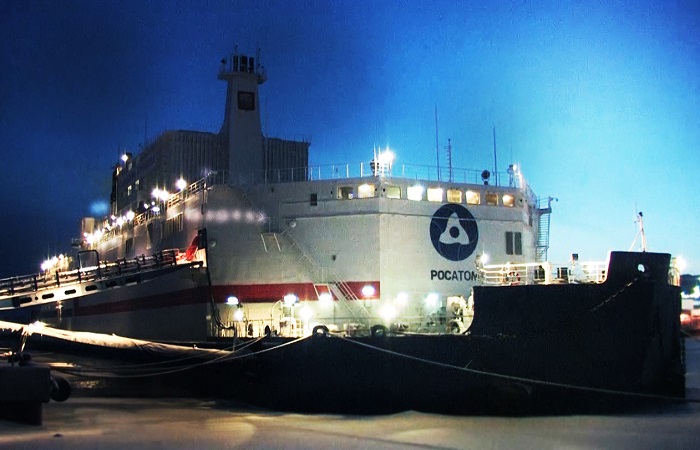
For years, the Akademik Lomonosov looked like one of the nuclear industry’s more eccentric experiments: two reactors mounted on a barge and tow...