Ukraine Pushes Ahead, the West Sends Mixed Signals, and China Draws Closer: Rosatom’s Uneasy Month
Even as the war grinds on, Ukraine continues to expand its civilian nuclear ambitions. Britain has tightened sanctions on Russia’s nuclear sect...
News

Publish date: April 16, 2012
Written by: Kristina Östman
News
The Commission support is the result of increasing pressure to limit the use of HFO on ships in the vulnerable Arctic environment, formalised by a European Parliament resolution on the Arctic adopted in January 2011. A ban on HFO both for carriage and use by vessels in the Antarctic seas entered into force in August 2011.
Siim Kallas, Commissioner for transport and Vice-President of the European Commission, in a letter on 12 March 2012 stated that the views of the Commission are aligned with those expressed by the MEPs and with the Parliament’s Arctic Resolution from January 2011. The Commission is willing to consider a regulation on heavy fuel oil (HFO), mainly through the International Maritime Organisation (IMO) and the so-called Polar Code which is currently being negotiated by IMO, but expressed concerns on the complexity of the issue.
According to Kallas, the Commission proposed support for the ban at the EU coordination meeting for an IMO sub-committee meeting in February 2012, but it was not possible to achieve a consensus for the support among the EU Member States.
Particular vulnerability of the Arctic
Heavy fuel oil is worse for the environment than any other oil when it is released as a result of grounding or leakage from ships and would be particularly damaging if released in the Arctic. As a result of being viscous and not dissolving in water, its impact on beaches and seabirds is much more than that of lighter alternatives. In addition, the air pollution from HFO combustion, including soot or black carbon, contributes both to local and global climate change. The soot emitted settles on the ice and snow, and as the surface blackens more heat is observed from the sunlight and the melting of the ice is accelerated. As a result the dark sea surface increases, leading to further increases in the absorption of sunlight and the subsequent melting of snow and ice.
The Commission will continue to advocate support form Member States.
Read more about the proposed ban here.
Even as the war grinds on, Ukraine continues to expand its civilian nuclear ambitions. Britain has tightened sanctions on Russia’s nuclear sect...
As the European Union tightens sanctions on Moscow, Russia’s Arctic energy exports continue to find buyers—and increasingly rely on opaque and potent...

A fundraising campaign launched by the Bellona Foundation has succeeded in securing the organization’s future and averting bankruptcy. ̶...
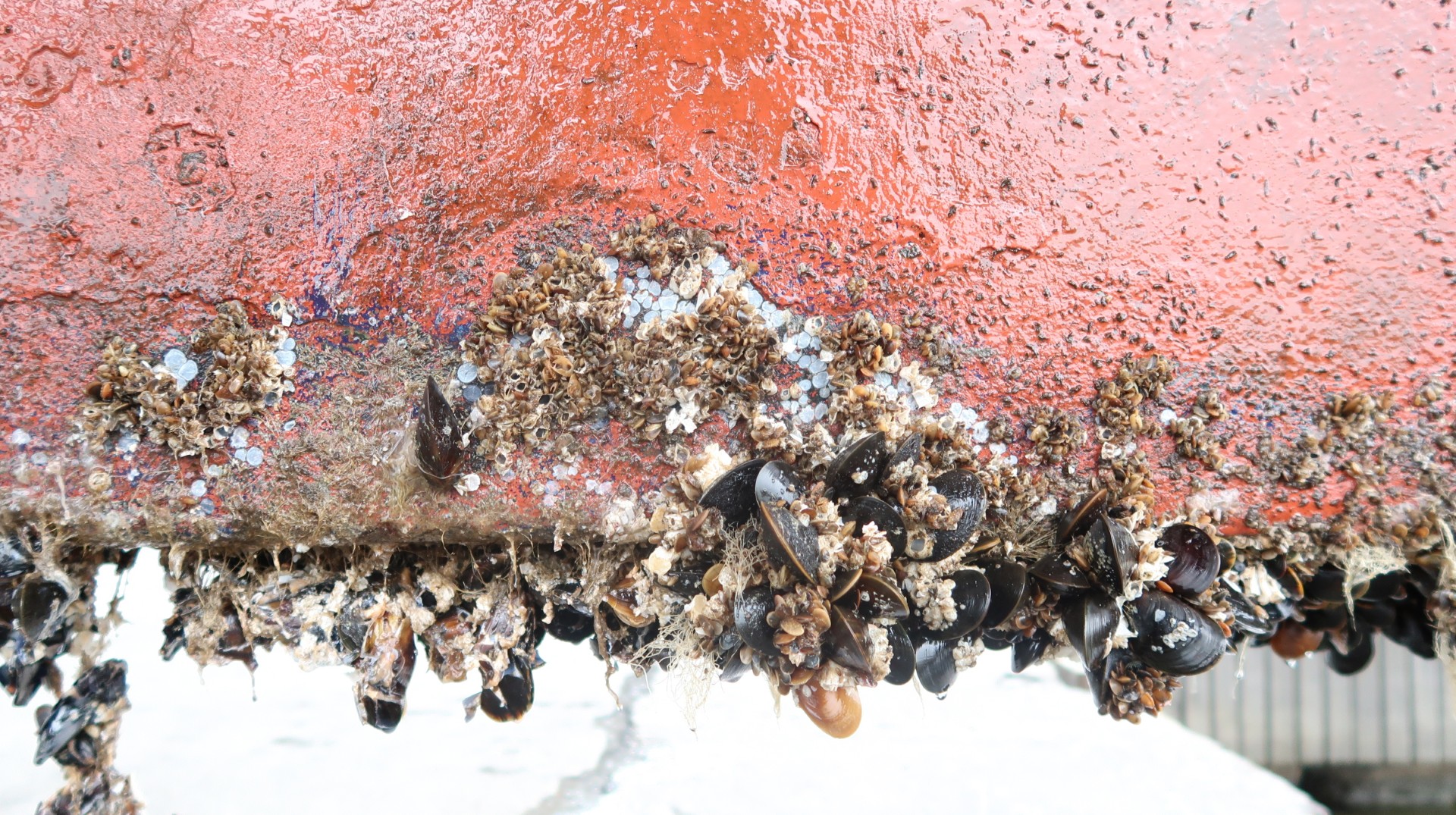
The shipping industry has a harmful secret—hiding just beneath the waterline. Barnacles, algae and microbial slime covering ship hulls may seem like ...