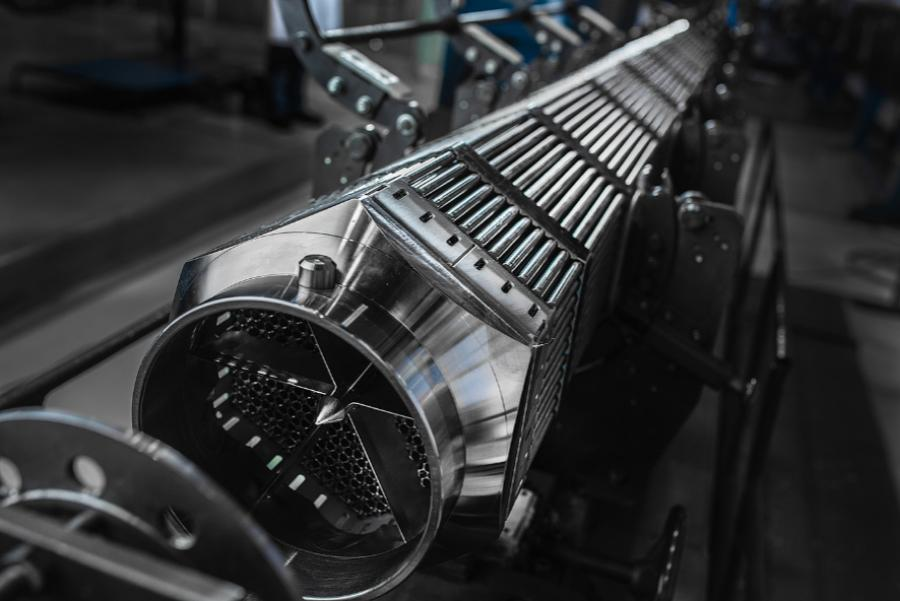
Germany wants independence from Russian nuclear fuel, using Rosatom as a bridge
Europe’s effort to break its dependence on Russian nuclear fuel has a paradox in Germany: making Russian-designed fuel without buying it from Russia ...
News
Publish date: January 10, 2009
News
The fish feed of today consists of several different ingredients. Earlier only marine raw materials where used in the production of fish feed. But a growing aquaculture industry has led to a trend where more and more of resources comes from vegetable raw materials. Now the Norwegian authorities also open for the use of animal ingredients and therefore we will probably see that the proportion of marine resources will be reduced further. The table below shows the composition of the "traditional" fish feed (Waagbø et al., 2001) compared to a feed from 2007 (Skretting, 2008). The use of marine ingredients has been reduced from 68 to 52 percent of the raw materials used in marine origin.
| Waagbø et al., 2001 |
Skretting 2008 |
||
| Feed ingredient |
g/kg |
Feed ingredient |
g/kg |
| Fish meal | 350 | Fish meal | 300 |
| Fish oil | 280 | Fish oil | 180 |
| Fish ensilage | 50 | Fish ensilage | 40 |
| Corn- and wheat gluten | 70 | Vegetable protein | 250 |
| Soy products | 60 | ||
| Soybean oil | 30 | Vegetable oil | 110 |
| Wheat | 120 | Wheat meal | 100 |
| Other | 40 | Other | 20 |
Europe’s effort to break its dependence on Russian nuclear fuel has a paradox in Germany: making Russian-designed fuel without buying it from Russia ...
Nearly four and a half years after Russia’s full-scale invasion of Ukraine, July offered fresh evidence of how difficult it remains to disentangle Ru...
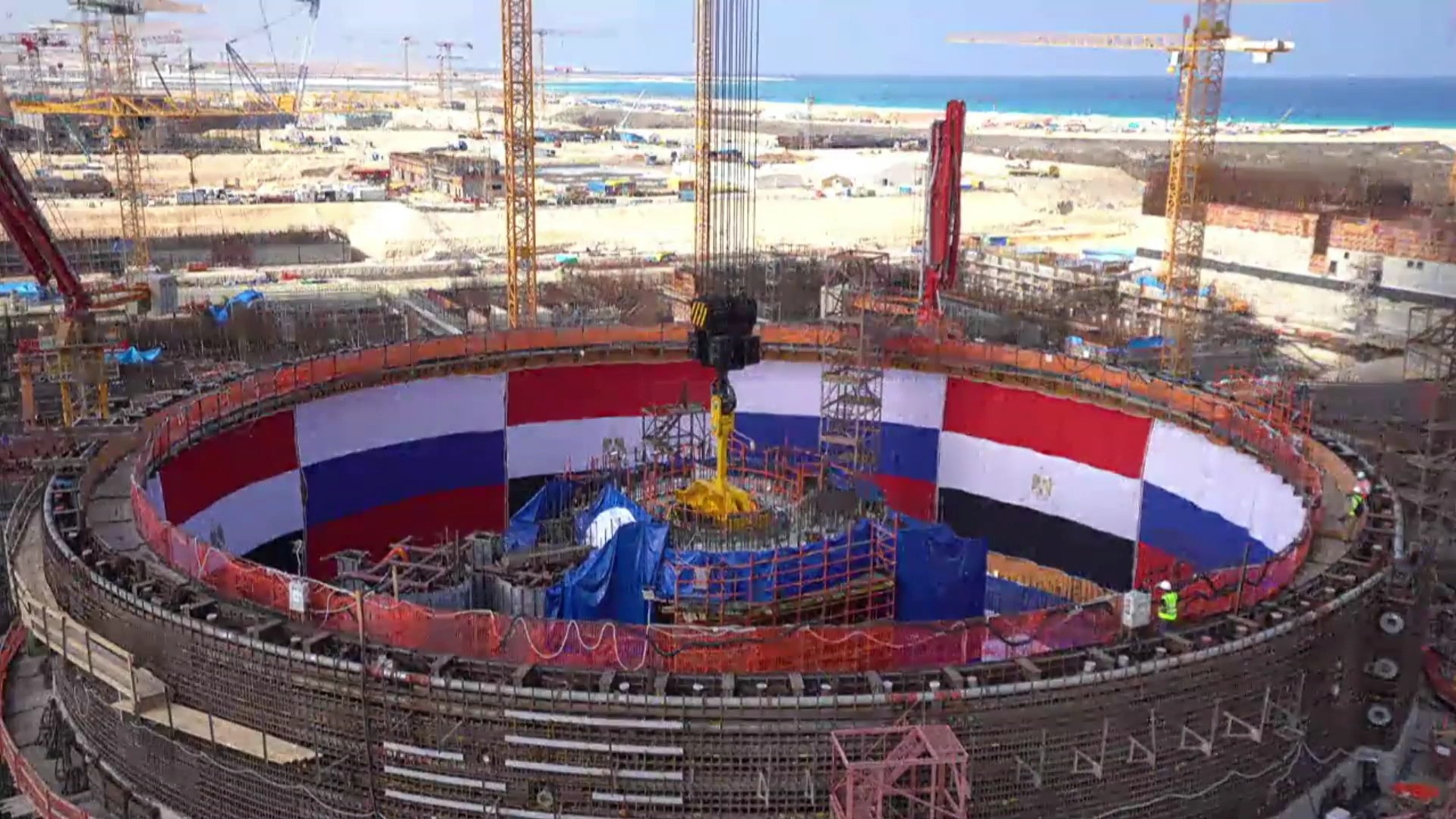
Just days after Egyptian nuclear authorities reportedly accused Rosatom of construction defects, poor management and vi...
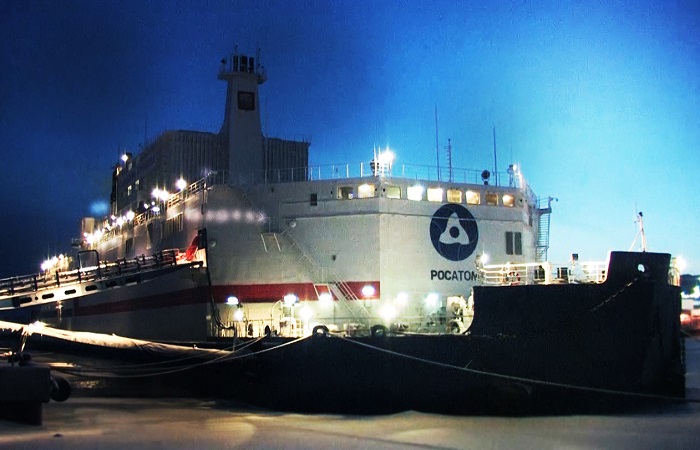
For years, the Akademik Lomonosov looked like one of the nuclear industry’s more eccentric experiments: two reactors mounted on a barge and tow...