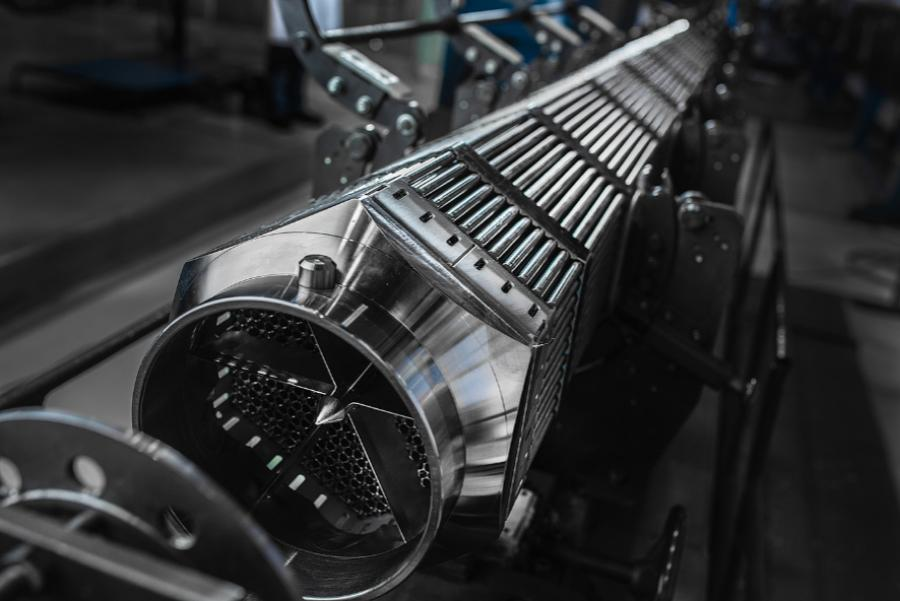
Germany wants independence from Russian nuclear fuel, using Rosatom as a bridge
Europe’s effort to break its dependence on Russian nuclear fuel has a paradox in Germany: making Russian-designed fuel without buying it from Russia ...
News
Publish date: February 4, 2009
News
Leaders for the center-right coalition government said new reactors were needed to help fight climate change and secure the nation’s energy supply amid growing support for nuclear energy in the Scandinavian country.
Them decision comes despite several recent mishaps with Swedish nuclear reactors involving cracked control rods at the Oskarshamn and Forsmark facilities, and the detection of explosive’s residue discovered in the bag of a contract repair worker at Oskarshamn during a random security check.
Bellona strongly opposed the move because of the shoddy state of Sweden’s current reactors, the security breaches at Swedish plants, and the ongoing lack of places to safely store nuclear waste.
Bellona also opposed the use of nuclear power to combat climate change: nuclear power plant, which produce no greenhouse gases, take far to long to build to be of any meaningful use, especially when green technologies to make up for energy shortfalls are readily available.
Swedish lawmakers decided after a 1980 referendum to phase out nuclear power, but only two of the Scandinavian nation’s 12 reactors have been closed. The government’s plan, which needs approval from Parliament, calls for new reactors to be built at existing plants to replace the 10 operational reactors when they are taken out of service, AP reported.
If the plan is approved, Sweden would join a growing list of countries rethinking nuclear power as source of energy amid concerns over global warming and the reliability of energy suppliers such as Russia. Britain, France and Poland are planning new reactors and Finland is currently building Europe’s first new atomic plant in over a decade.
Swedish public opinion polls have shown growing support for nuclear energy in recent years because of the lack of alternatives to replace the nuclear plants, which supply about 50 percent of Sweden’s electricity, said AP.
The agreement was made possible after a compromise by the Center Party, a junior coalition member which has long held a skeptical stance toward nuclear power.
"I’m doing this for the sake of my children and grandchildren," Center Party leader Maud Olofsson told AP. "I can live with the fact that nuclear power will be part of our electricity supply system in the foreseeable future."
Europe’s effort to break its dependence on Russian nuclear fuel has a paradox in Germany: making Russian-designed fuel without buying it from Russia ...
Nearly four and a half years after Russia’s full-scale invasion of Ukraine, July offered fresh evidence of how difficult it remains to disentangle Ru...

Just days after Egyptian nuclear authorities reportedly accused Rosatom of construction defects, poor management and vi...

For years, the Akademik Lomonosov looked like one of the nuclear industry’s more eccentric experiments: two reactors mounted on a barge and tow...