
Germany wants independence from Russian nuclear fuel, using Rosatom as a bridge
Europe’s effort to break its dependence on Russian nuclear fuel has a paradox in Germany: making Russian-designed fuel without buying it from Russia ...
News
Publish date: November 24, 2008
News
The DOE strongly objected to the report, sending the GAO 21 pages of single-spaced comments pointing out what it said were inaccuracies, faulty premises and flawed recommendations, the Washington State-based Tricity Herald Reported.
The GAO report focused on the DOE’s programme to offer independent safety oversight of its high hazard nuclear programs at Hanford and elsewhere, most recently through the 2-year-old Office of Health Safety and Security, or HSS office.
The office is intended to be independent of programme offices responsible for nuclear cleanup work as a way to avoid potential conflicts of interest and help to ensure public confidence in the DOE’s ability to regulate itself.
The HSS office was formed in 2006 by combining most of the responsibilities of the Office of Environment, Safety and Health and the Office of Safety and Security Performance Assurance.
The GAO review questioned whether that HSS office meets requirements the GAO believes are needed for effective independent oversight.
The report criticized the HSS office’s enforcement actions for not preventing some nuclear safety problems from recurring, saying DOE viewed the HSS office as secondary to the program offices.
The report also criticized the HSS office for restricting public access to nuclear safety information. Restrictions were due to security concerns and to avoid alerting contractors and the program offices to potential enforcement actions, the report said.
"In our view, DOE needs to strengthen HSS as an independent regulator of nuclear safety," the report said. "We believe that increasing HSS’s involvement in nuclear safety could increase public confidence that DOE can continue to self-regulate its high-hazard nuclear facilities and decrease the likelihood of a low-probability but high-consequence nuclear accident."
The GAO called for changes, including increased presence at DOE sites, strengthening enforcement actions such as fines to prevent recurring violations and establishing access to unclassified appraisal reports.
Europe’s effort to break its dependence on Russian nuclear fuel has a paradox in Germany: making Russian-designed fuel without buying it from Russia ...
Nearly four and a half years after Russia’s full-scale invasion of Ukraine, July offered fresh evidence of how difficult it remains to disentangle Ru...
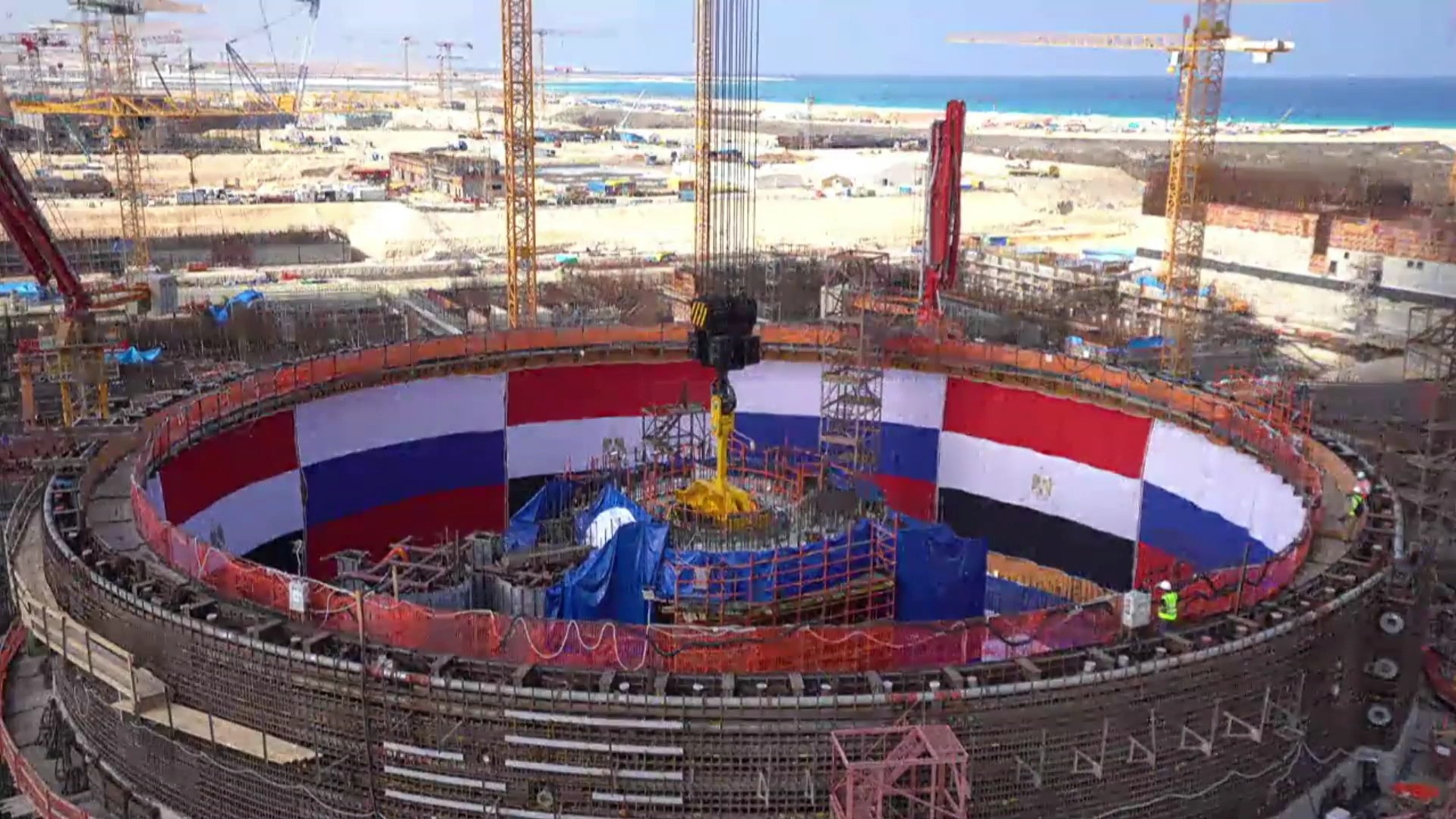
Just days after Egyptian nuclear authorities reportedly accused Rosatom of construction defects, poor management and vi...
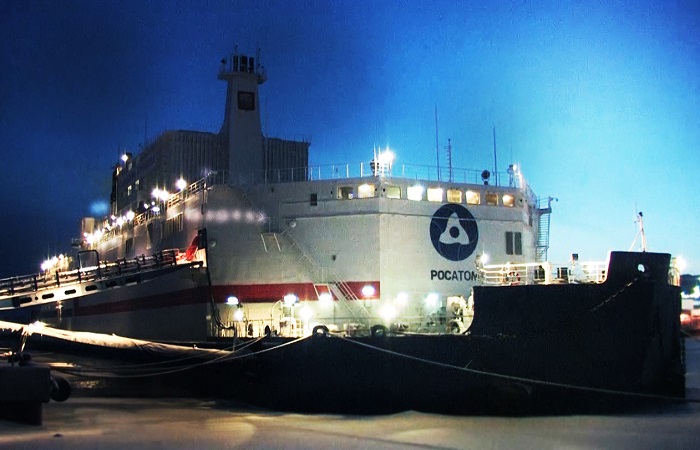
For years, the Akademik Lomonosov looked like one of the nuclear industry’s more eccentric experiments: two reactors mounted on a barge and tow...