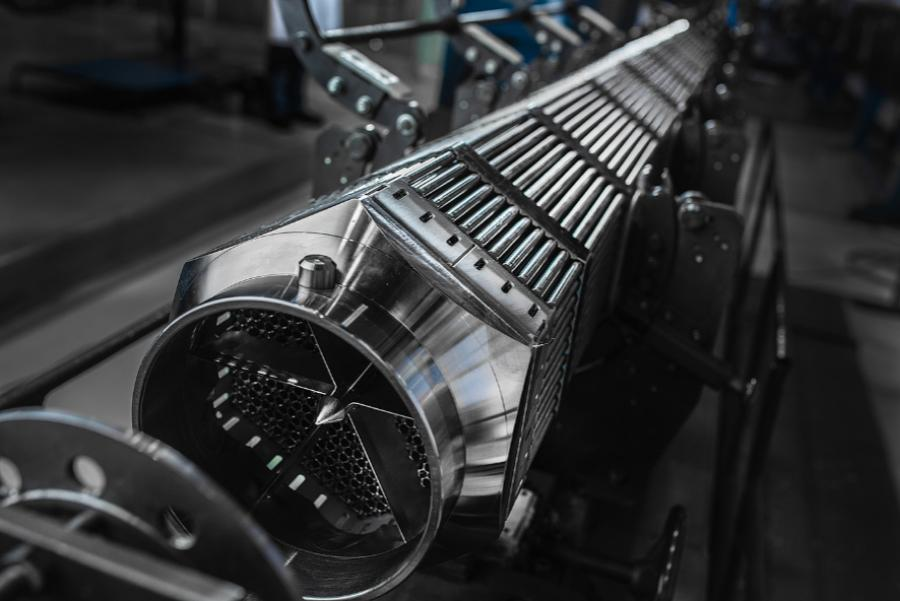
Germany wants independence from Russian nuclear fuel, using Rosatom as a bridge
Europe’s effort to break its dependence on Russian nuclear fuel has a paradox in Germany: making Russian-designed fuel without buying it from Russia ...
News
Publish date: April 14, 2010
Written by: Veronica Webster
News
The hearing was co-sponsored by German Member of the European Parliament Rebecca Harms from the Greens, and Finnish Member of the European Parliament Sirpa Pietikainen from the centre-right group EPP, in co-operation with green NGO Friends of the Earth Europe.
Three case studies were examined. The nuclear power plant units Mochovce 3
and 4 in Slovakia were permitted in the 1980s under the socialist regime and were partly built before the project was stopped after the economic changes of the early 1990s. The project has recently been revived, but it is still based on a reactor-design from the early 1970s, and offers, for instance, insufficient protection against plane crashes.
The government first argued that Environmental Impact Assessments (EIA) required for new permits was not compulsory because a permit had already been granted before the EIA legislation came into force. As Patricia Lorenz from Friends of the Earth Europe pointed out, the EIA undertaken at the Mochovce plant came about after pressure was exerted by NGOs and other interest groups.
“But the EIA which finally took place did not even consider alternative scenarios, but rather the best practice for the plant extension”, Harms uderscored.
The Belene 4 unit in Bulgara was also first proposed under the socialist regime but never reached construction. It is a highly controversial project as it would be located in a highly seismic region. The planned reactor has the same basic Russian design and has been found by experts to have insufficient resistance against external hazards. Partly as a result of that, the main prospective investor, German utility RWE, withdrew from the project in 2009.
The third case study, French nuclear equipment supplier AREVA´s EPR (European Pressurized Reactor) project in Olkiluoto, Finland, has been advertised as the “flagship of nuclear renaissance” in Europe. It has notoriously struggled with delays and huge cost overruns. It has been criticized by the national nuclear watchdog who has consistently found quality violations during auditing.
The failure of Olkiluoto begs the question of whether there is any place for a nuclear renaissance in Europe. At the same time, it is becoming increasingly apparent that other sources of low- or zero-carbon energy can fully supply Europe by the middle of this century at a competitive price. Given the lifetimes of nuclear plants, there appears to be no justification for trying to revive a nuclear energy industry destined for retirement.
Europe’s effort to break its dependence on Russian nuclear fuel has a paradox in Germany: making Russian-designed fuel without buying it from Russia ...
Nearly four and a half years after Russia’s full-scale invasion of Ukraine, July offered fresh evidence of how difficult it remains to disentangle Ru...
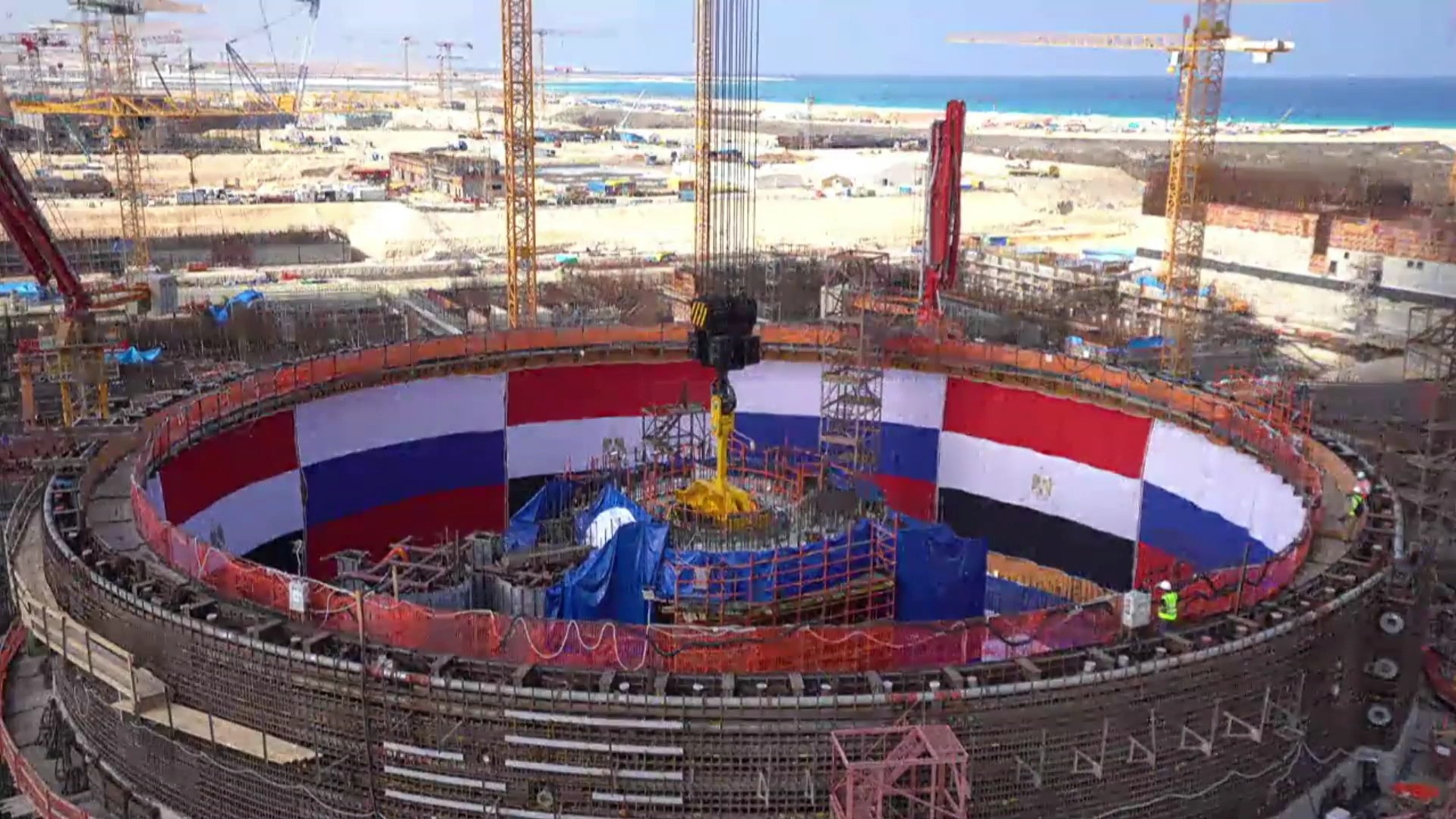
Just days after Egyptian nuclear authorities reportedly accused Rosatom of construction defects, poor management and vi...
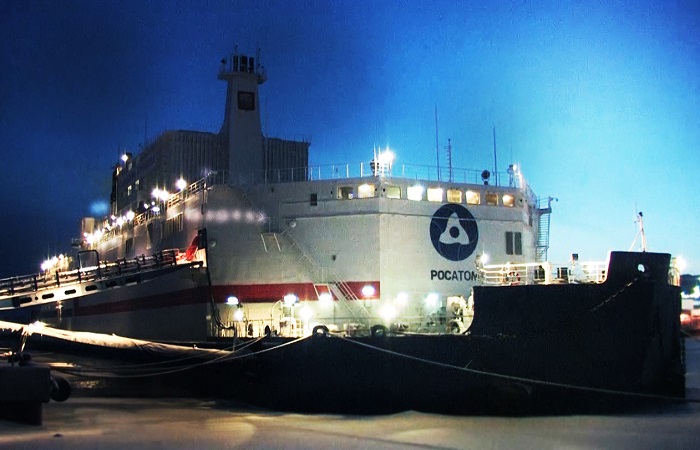
For years, the Akademik Lomonosov looked like one of the nuclear industry’s more eccentric experiments: two reactors mounted on a barge and tow...