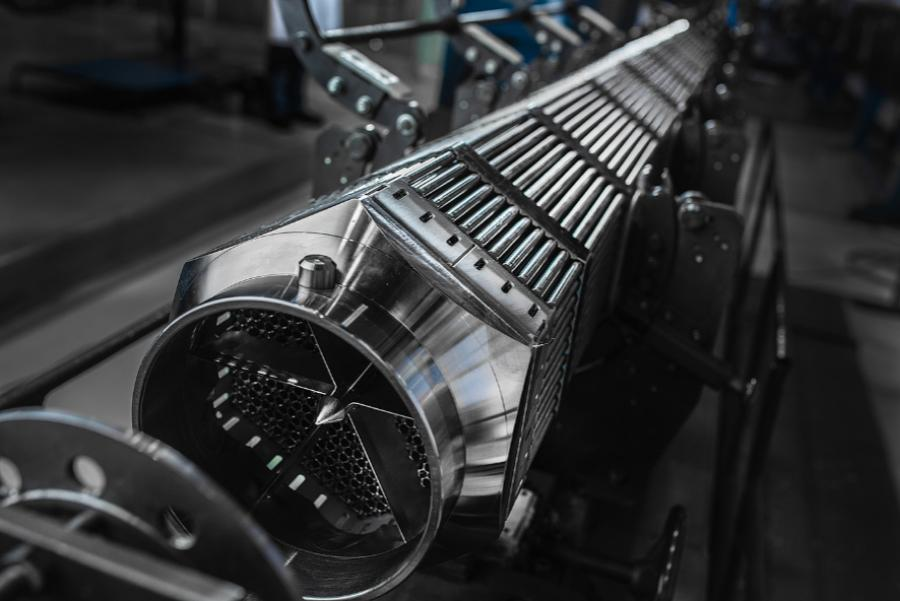
Germany wants independence from Russian nuclear fuel, using Rosatom as a bridge
Europe’s effort to break its dependence on Russian nuclear fuel has a paradox in Germany: making Russian-designed fuel without buying it from Russia ...
News
Publish date: February 23, 2010
News
The countries involved in the discussions are the Netherlands, Italy, Poland, Romania, Slovakia, Lithuania, Slovenia and Bulgaria. They are due to reconvene in May to continue negotiations regarding transportation and storage of waste.
In Slovenia, a repository for low-level waste is under construction at Vrbina in the east of the country. Last summer, the World Nuclear Association confirmed that the local community agreed to accept its construction in exchange for €5 million per year in compensation.
Most EU countries, such as the Netherlands, lack storage facilities.
Many keep their material in interim storage facilities, such as Britain’s Sellafield plant, where about 5,000 half-tonne canisters of vitrified atomic waste are stored in concrete and steel chutes. Some of this waste will remain highly radioactive for up to 100,000 years.
“Radioactive waste and spent nuclear fuel is a national responsibility, and it would be unethical for any country to export any radioactive waste to another country for disposal. Especially so if the hosting country is a poor country with lower safety standards than the exporting country”, says Nils Bøhmer from Bellona.
Read more in an article by The Times.
Europe’s effort to break its dependence on Russian nuclear fuel has a paradox in Germany: making Russian-designed fuel without buying it from Russia ...
Nearly four and a half years after Russia’s full-scale invasion of Ukraine, July offered fresh evidence of how difficult it remains to disentangle Ru...
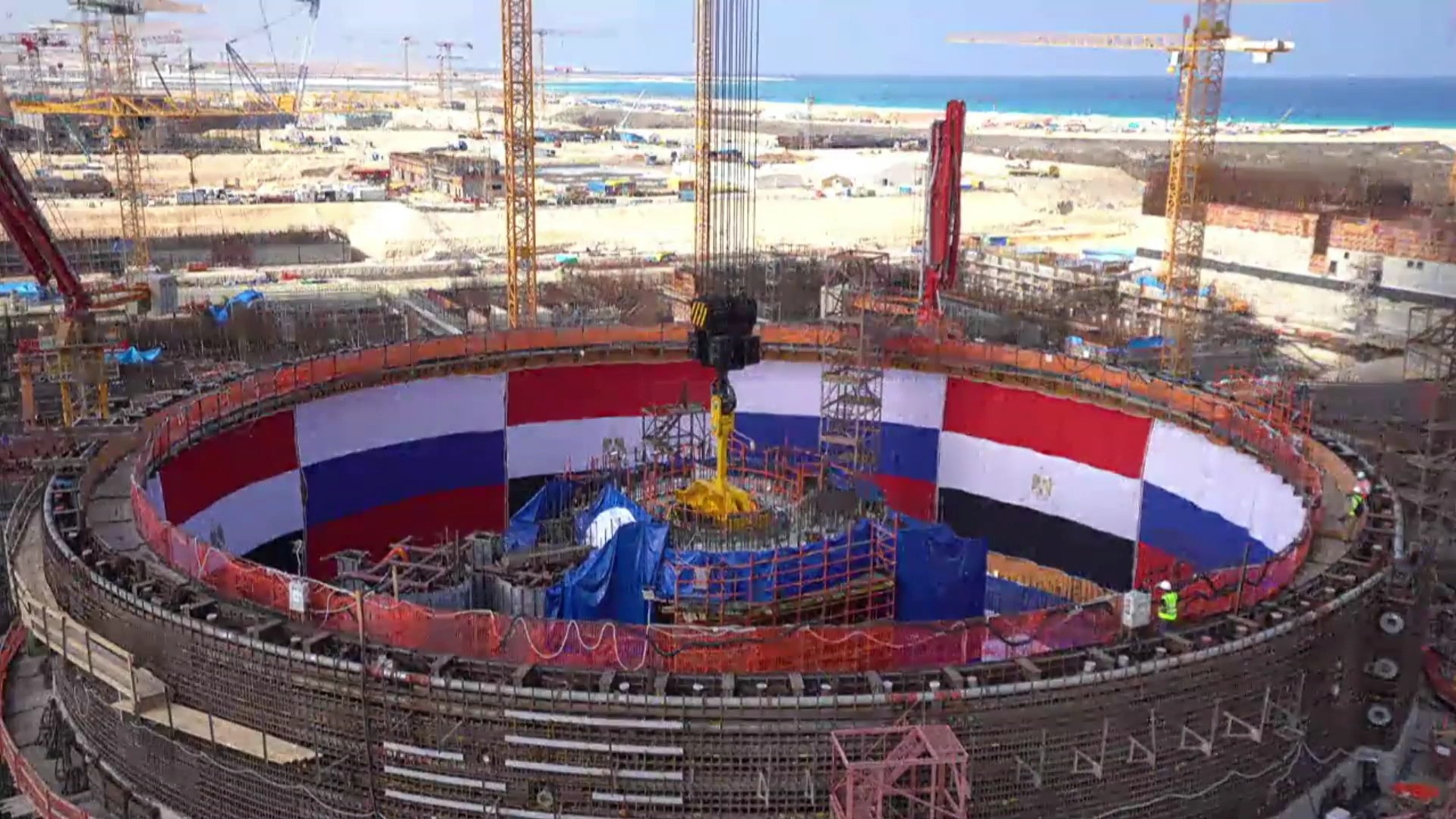
Just days after Egyptian nuclear authorities reportedly accused Rosatom of construction defects, poor management and vi...
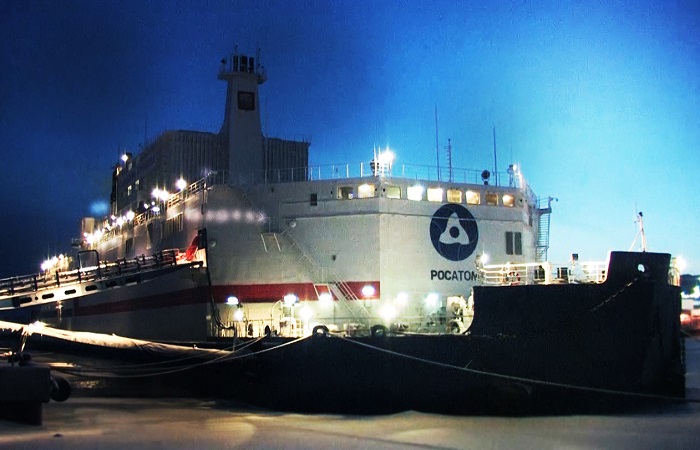
For years, the Akademik Lomonosov looked like one of the nuclear industry’s more eccentric experiments: two reactors mounted on a barge and tow...