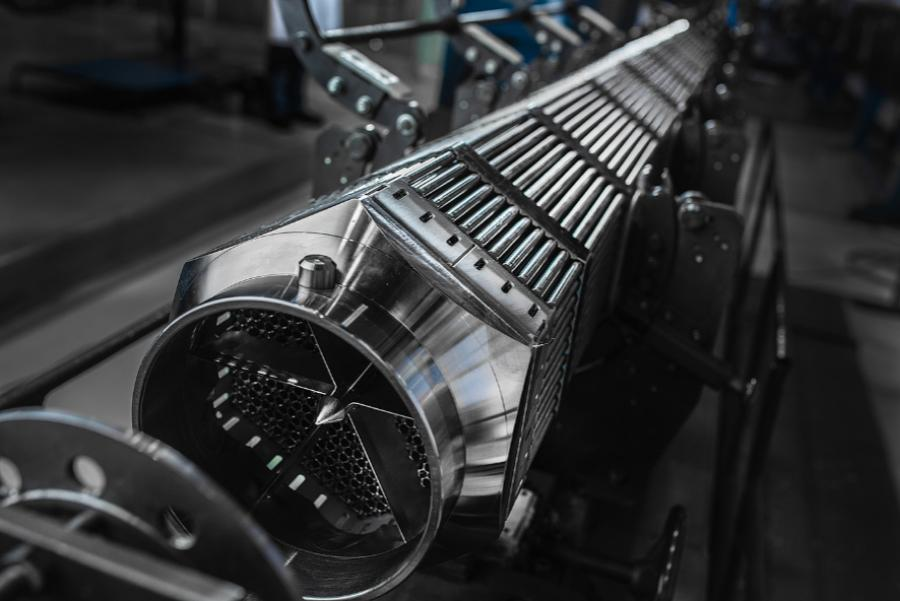
Germany wants independence from Russian nuclear fuel, using Rosatom as a bridge
Europe’s effort to break its dependence on Russian nuclear fuel has a paradox in Germany: making Russian-designed fuel without buying it from Russia ...
News
Publish date: May 11, 2006
News
In year 2030, Gazprom will have as much as 17,1 trillion cubic meter of gas reserves on the shelf, Podyuk believes. According to him, gas accounts for about 80 percent of all Russian offshore hydrocarbons, and that most of it is located in the Barents Sea and in the Kara Sea.
Until 2010, the Western Siberia, Timano-Pechora province and the Caspian area will be the company’s main exploration regions. From 2011-2020, the main areas will be the Arctic shelf, the Okhotsk Sea, the Krasnoyarsk region, Irkutsk Oblast, Sakha-Yakutia and Sakhalin, BarentsObserver reports. In the longer perspective, the Arctic parts of Western Siberia, the Eastern Siberia and the Arctic Sea will be given priority, Podyuk said.
Europe’s effort to break its dependence on Russian nuclear fuel has a paradox in Germany: making Russian-designed fuel without buying it from Russia ...
Nearly four and a half years after Russia’s full-scale invasion of Ukraine, July offered fresh evidence of how difficult it remains to disentangle Ru...
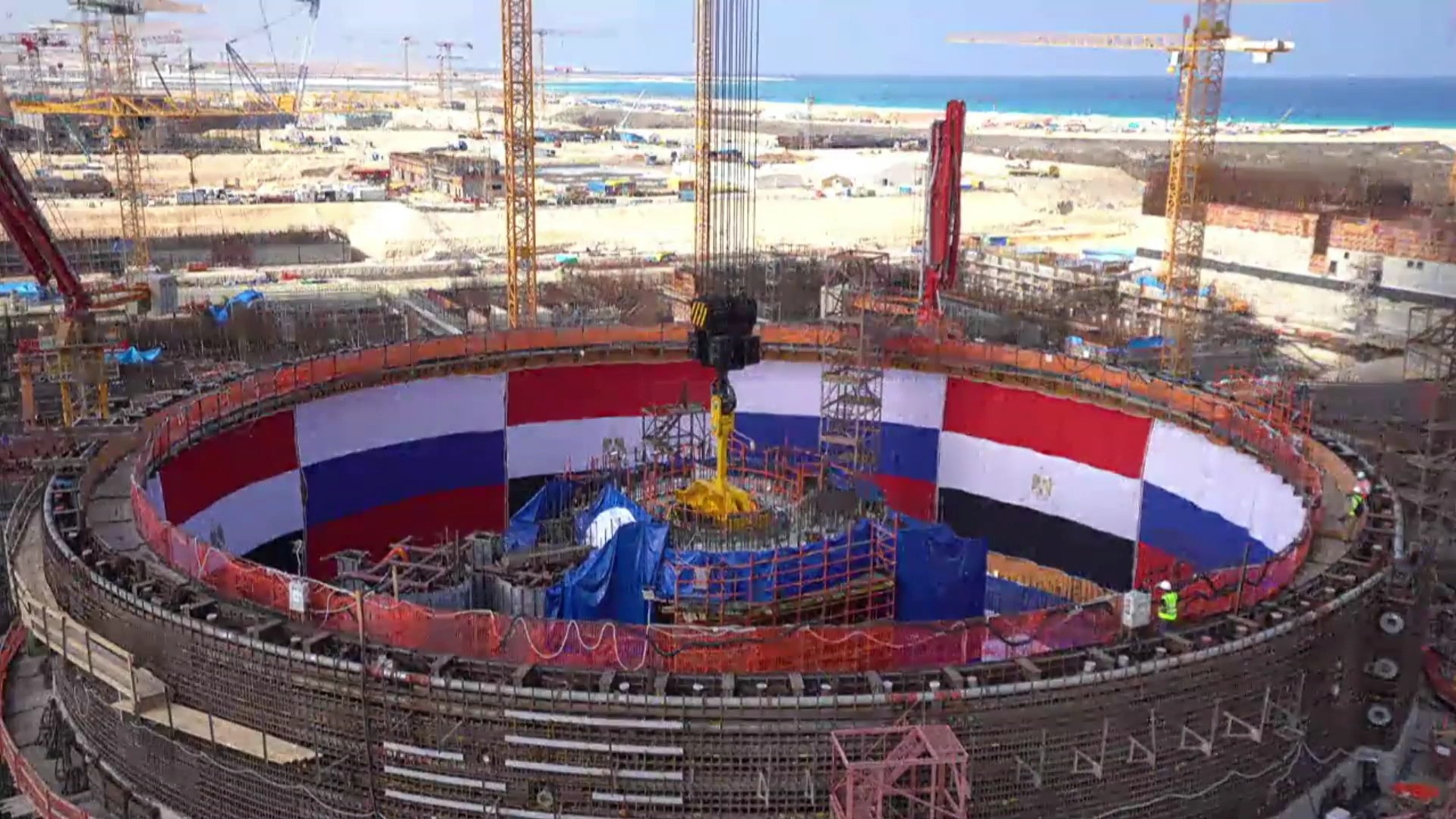
Just days after Egyptian nuclear authorities reportedly accused Rosatom of construction defects, poor management and vi...
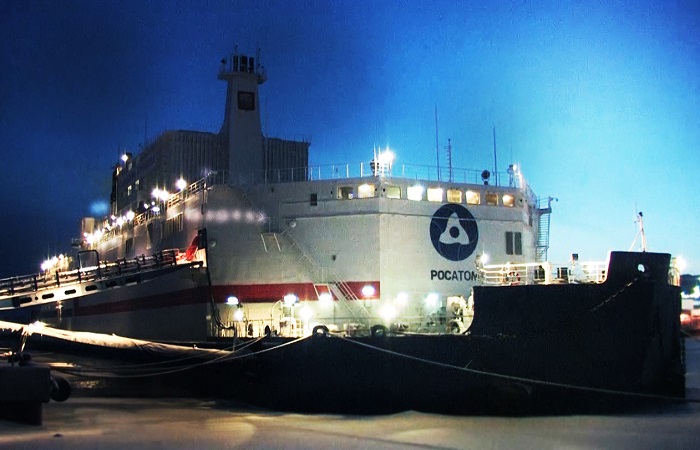
For years, the Akademik Lomonosov looked like one of the nuclear industry’s more eccentric experiments: two reactors mounted on a barge and tow...