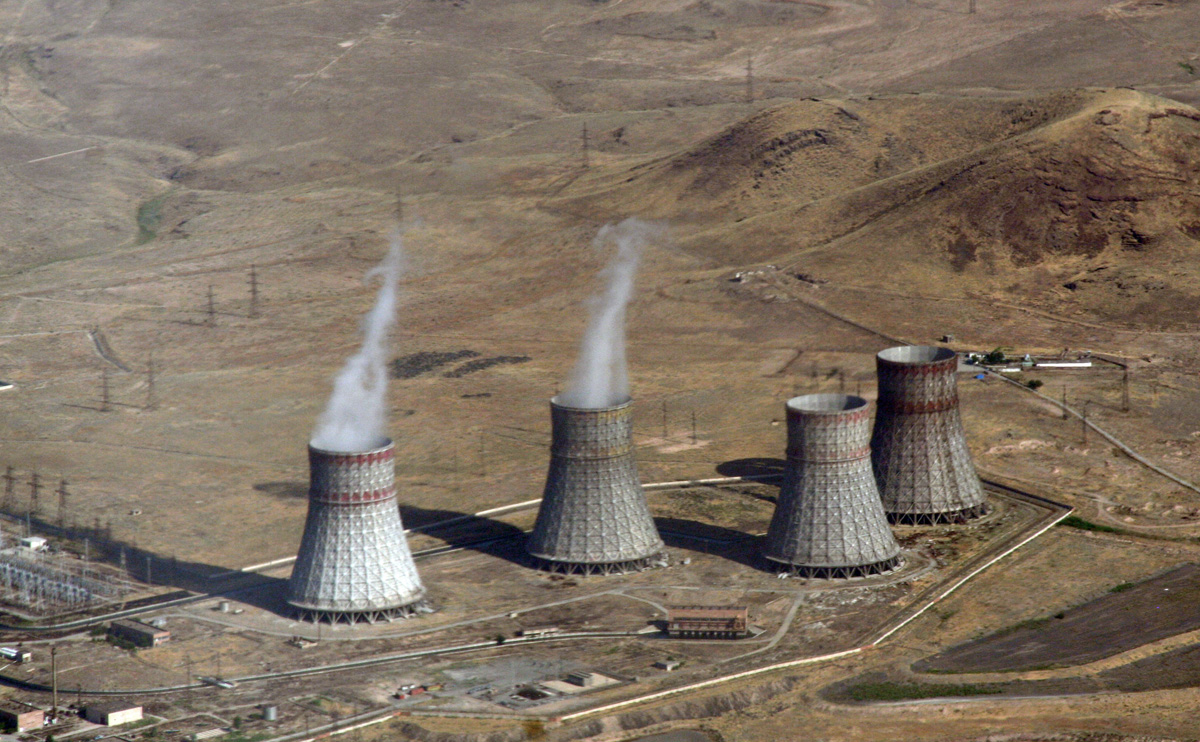
Armenia reconsiders nuclear future as Rosatom offers replacement for aging Soviet reactor
Armenia is reconsidering its plans for a new nuclear power plant after a fresh proposal from Russia’s state nuclear corporation Rosatom and a s...
News
Publish date: March 27, 2006
News
"The use of nuclear-powered submarines for guarding continental shelf borders in the Arctic is currently being studied at the Russian Navy Main Staff," the source said, adding that the greater part of the disputed Arctic shelf zone was below a thick icecap so systematic surveys could only be provided by nuclear subs.
The official explained that in order to delimit Russia’s state border in the Arctic along the continental shelf line, it was necessary to present detailed seabed maps of the disputed zone to the UN. "This is about Russia’s control over huge hydrocarbon reserves in these parts of the world oceans," he said.
Experts estimate that about 100 billion metric tons of oil-equivalent hydrocarbons are concentrated on Russia’s Arctic sea shelf. The sea shelf also contains major reserves of various types of solid-state minerals, including non-ferrous, rare-earth, and precious metals, reported RIA Novosti.
Armenia is reconsidering its plans for a new nuclear power plant after a fresh proposal from Russia’s state nuclear corporation Rosatom and a s...

Russia’s state nuclear corporation Rosatom has taken full control of one of the country’s largest logistics companies, consolidating an expanding tra...
August brought signs of growing pressure on several fronts for Russia’s state nuclear corporation Rosatom, from questions surrounding major construct...
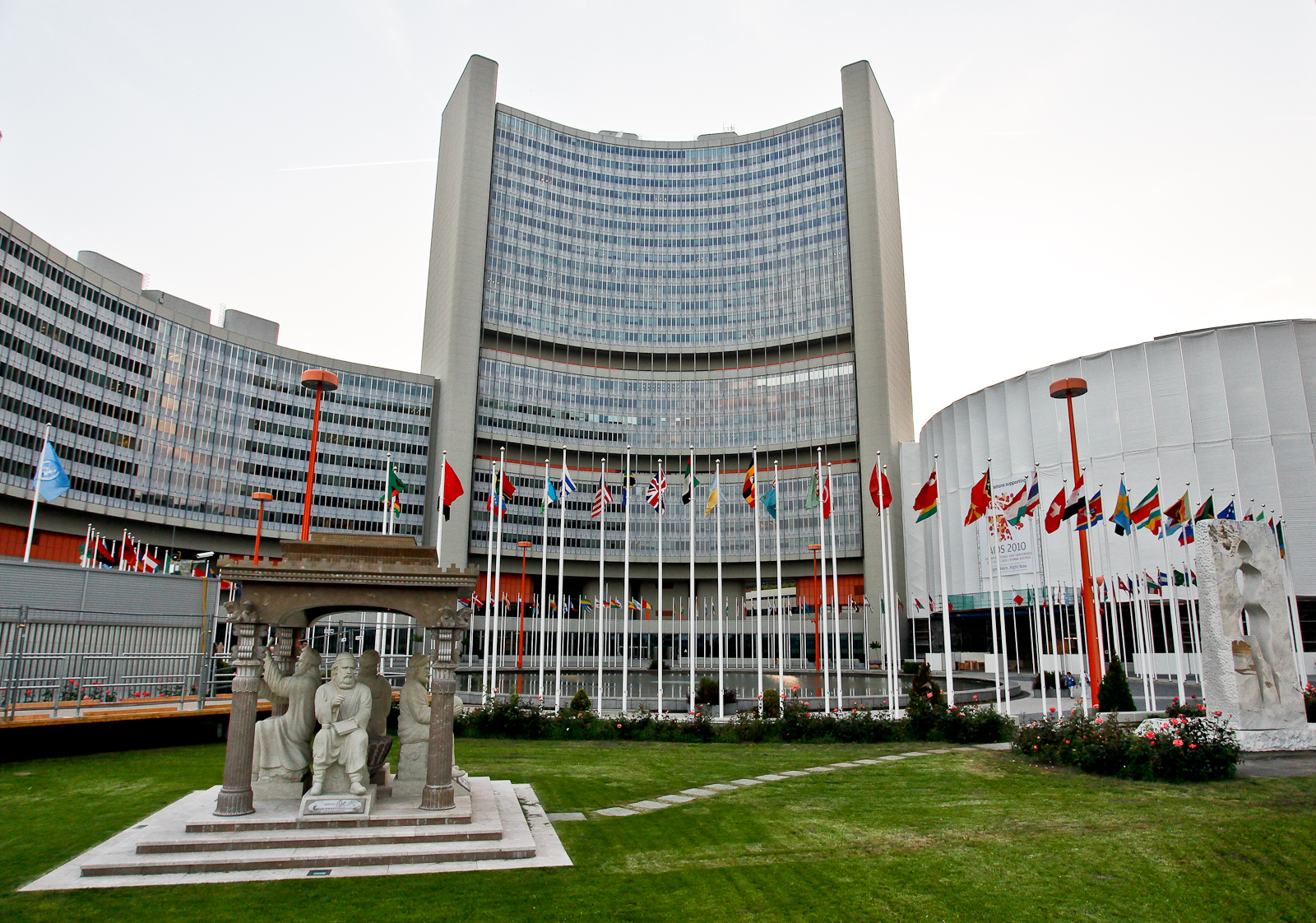
The International Atomic Energy Agency has suspended one of its most senior Russian officials — but for reasons largely unrelated to the questions ab...