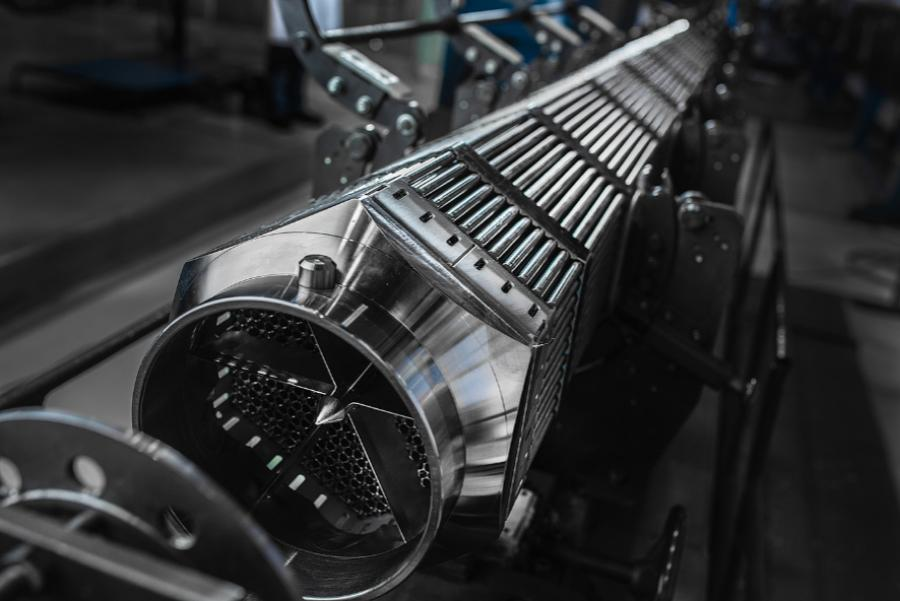
Germany wants independence from Russian nuclear fuel, using Rosatom as a bridge
Europe’s effort to break its dependence on Russian nuclear fuel has a paradox in Germany: making Russian-designed fuel without buying it from Russia ...
News
Publish date: November 14, 2007
News
Muslyumovo is situated some 30 km downstream of Mayak Chemical Combine, the only settlement left along the banks of the contaminated Techa river.
According to the state financing program on solving Techa environmental problems and social problems of Muslyumovo inhabitants, signed by the Russian Nuclear Federal Agency (Rosatom) and Chelyabinsk region administration in November 2006, Rosatom and Chelyabinsk region allocate 600 million roubles (ca. $25m) each for 2007-2008. Muslyumovo inhabitants can also move to the new Novomuslyumovo village instead of compensation. For some strange reason Novomuslyumovo village is situated close to Muslyumovo village. Big families cannot afford a big enough flat for 1 million roubles; therefore they end up again in the house on the contaminated land close to the same radioactive Techa River. For today 208 families agreed to move to Novomuslyumovo and 530 families will move to other regions. The process of relocating will finish in the end of 2009.
September 2007 marked the anniversary of that accident – one of humankind’s largest nuclear catastrophes. Fifty years ago, a tank with radioactive waste blew up at Mayak, in Russia’s Chelyabinsk region, sending deadly radioactive clouds across vast territories of the Ural Mountains.
Europe’s effort to break its dependence on Russian nuclear fuel has a paradox in Germany: making Russian-designed fuel without buying it from Russia ...
Nearly four and a half years after Russia’s full-scale invasion of Ukraine, July offered fresh evidence of how difficult it remains to disentangle Ru...
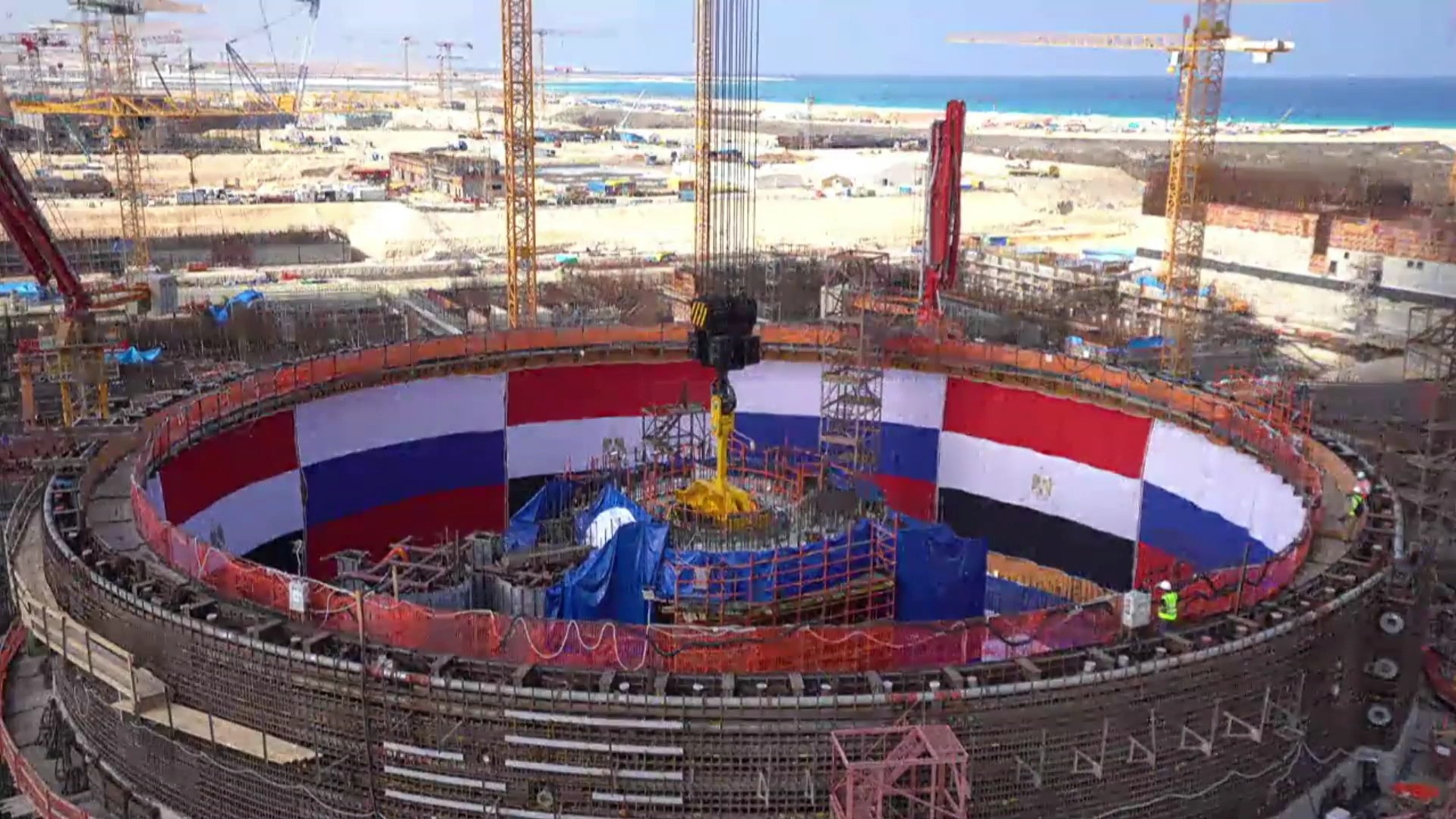
Just days after Egyptian nuclear authorities reportedly accused Rosatom of construction defects, poor management and vi...
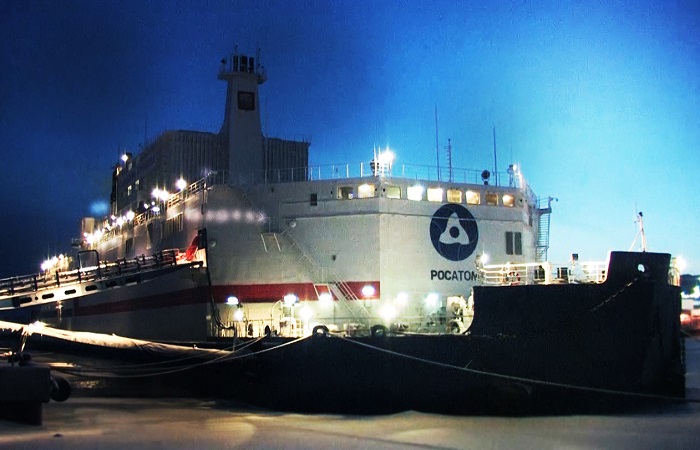
For years, the Akademik Lomonosov looked like one of the nuclear industry’s more eccentric experiments: two reactors mounted on a barge and tow...