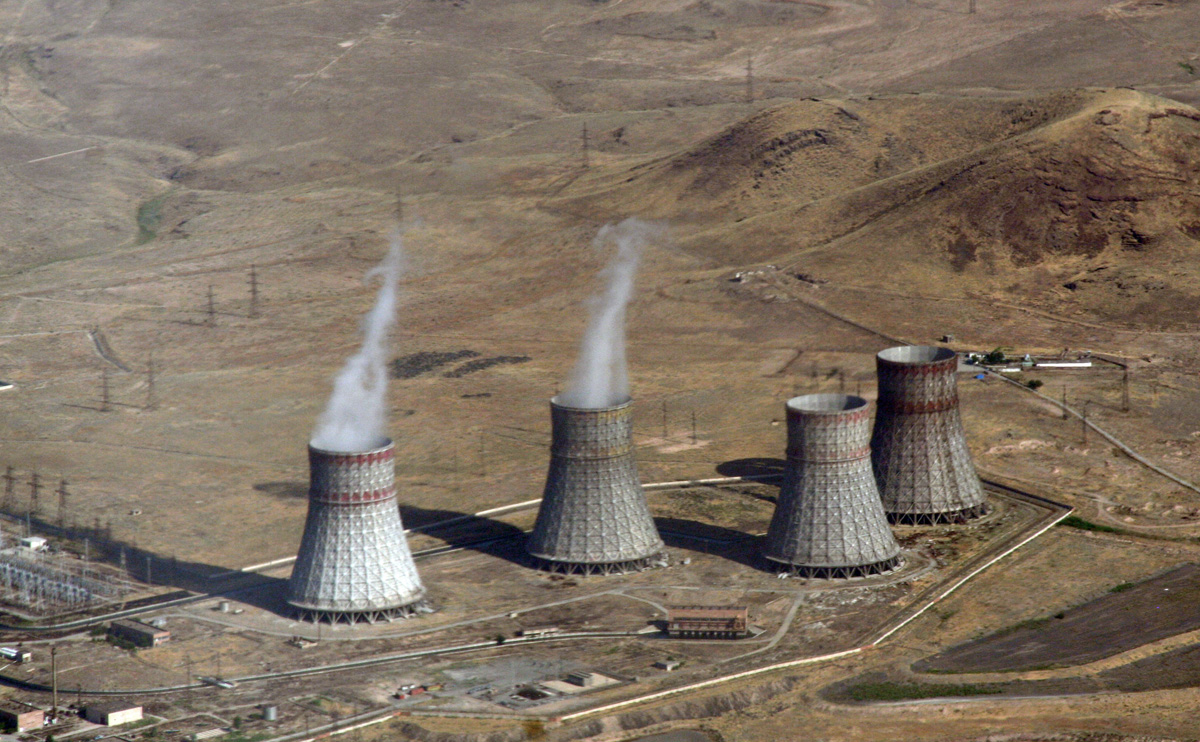
Armenia reconsiders nuclear future as Rosatom offers replacement for aging Soviet reactor
Armenia is reconsidering its plans for a new nuclear power plant after a fresh proposal from Russia’s state nuclear corporation Rosatom and a s...
News
Publish date: January 10, 2011
News
The ”Carbon Capture and Storage in Industrial Applications: Technology Synthesis Report” commissioned by the UNIDO, introduces CCS as a key CO₂ abatement technology in the industry as CO₂ emissions are generally inherent to industrial processes and some industries emit high-purity CO₂ in the atmosphere. As a result, CO₂ capture could be more cost-effective. The report focuses on CO₂ capture in five industries: high-purity CO₂ sources (including gas processing and chemical industry,) cement, iron and steel, refineries, biomass-based industrial sources of CO₂.
Nonetheless, the technologies required in industry are more diverse than in power generation. Therefore, technology needs a more diverse demonstration programme to prove the feasibility of industrial CCS.
Furthermore, from a political perspective, industry suffers from a rougher competition than the power sector on the global scale. As a result, CCS has not been widely deployed on industrial sources yet. The report therefore urges for global agreements and incentives for the industry to take up the challenges that discourage industrial CCS. Carbon prices or taxes, subsidies and tax credits and mandates and standards are suggested as effective incentives for investments in CCS technology applying to industrial sources. Unfortunately, such incentives are still absent or insufficient in most of the world.
“Several industry sectors have shown that they can treat their industrial flue gases and capture CO2 which otherwise would be emitted to the atmosphere without closing down the industrial site and with off-the-shelf technology. Global industrial sectoral approaches are a promising element in a post-2012 broader framework of climate commitments”, says Gøril Tjetland CCS and Energy Advisor in Bellona.
She concludes saying that ”CCS on industrial sources must be higher on the global and European agendas in 2011.”
We can mention here the interesting ULCOS project which has come far in CO2 capture from steel making processes. ULCOS (Ultra–Low Carbon dioxide(CO2) Steelmaking) is a consortium of 48 European companies and organisations from 15 European countries that have launched a cooperative research & development initiative to enable drastic reduction in CO2 emissions from steel production with the support of the European Commission. The ongoing research will result in the implementation of the technology in production plant in the future (15-20 years.)
Access the report on the UNIDO website and the report from the roadmap workshop here.
Armenia is reconsidering its plans for a new nuclear power plant after a fresh proposal from Russia’s state nuclear corporation Rosatom and a s...

Russia’s state nuclear corporation Rosatom has taken full control of one of the country’s largest logistics companies, consolidating an expanding tra...
August brought signs of growing pressure on several fronts for Russia’s state nuclear corporation Rosatom, from questions surrounding major construct...
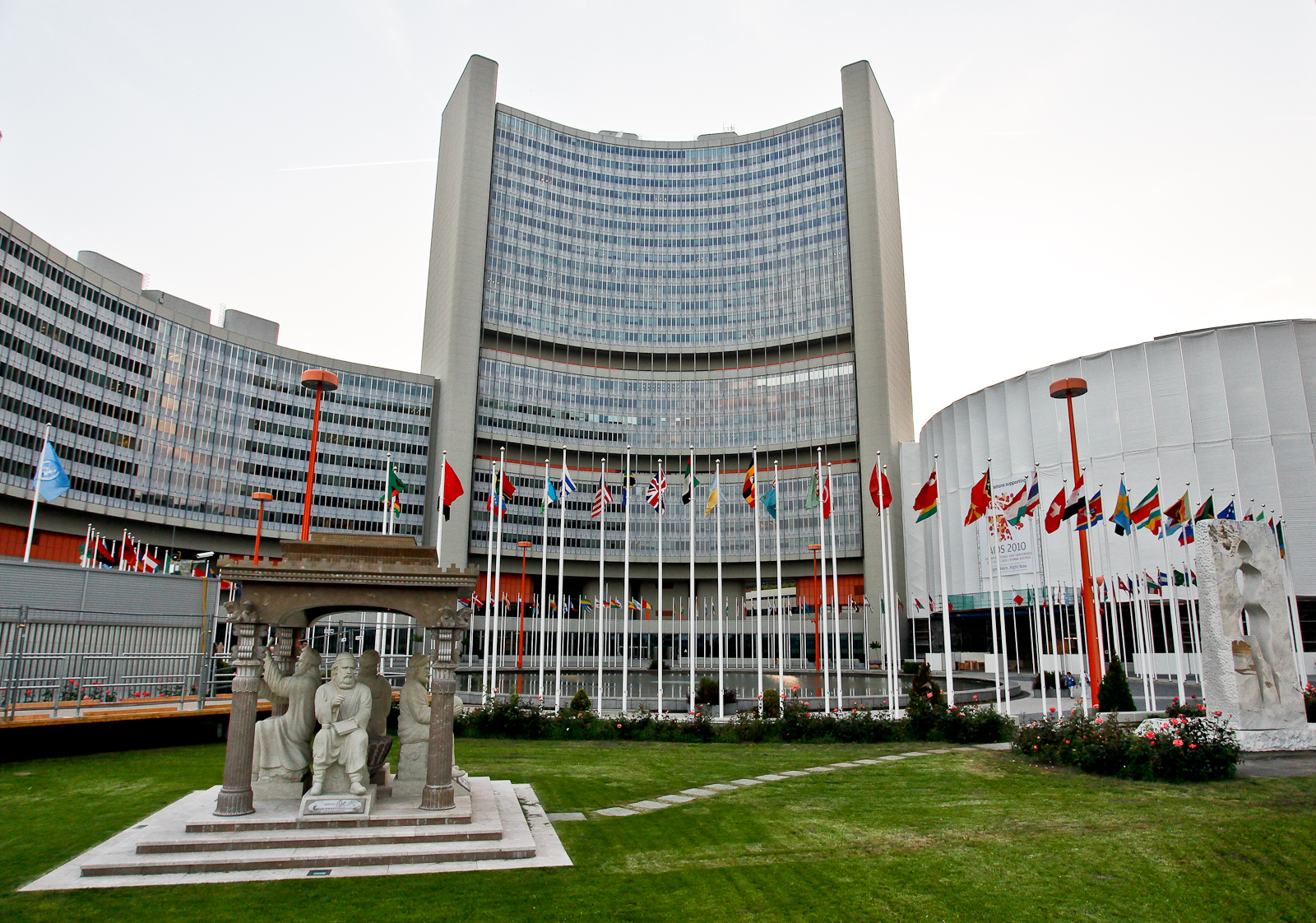
The International Atomic Energy Agency has suspended one of its most senior Russian officials — but for reasons largely unrelated to the questions ab...