
Ukraine Pushes Ahead, the West Sends Mixed Signals, and China Draws Closer: Rosatom’s Uneasy Month
Even as the war grinds on, Ukraine continues to expand its civilian nuclear ambitions. Britain has tightened sanctions on Russia’s nuclear sect...
News
Publish date: February 7, 2003
News
From 1993, the Northern Fleet officially declared a halt to the dumping of liquid radioactive waste into the seas. However, it remains an open question as to how to dispose of the liquid waste that continues to be generated given that all of the storage facilities for liquid waste are filled up.
Liquid radioactive waste is transferred to special tankers and nuclear support ships, as well as PE-50/PEK-50 type floating tanks. There are also onshore storage facilities at the bases and in the shipyards. Since 1994, the Northern Fleet has been delivering liquid waste to be processed at the treatment facility located in Atomflot nuclear powered icebreakers base. The facility has an annual capacity of 1,200 m3. This facility is due to be upgraded to treat up to 5,000 m3 of liquid waste annually, assuming that the ongoing international project to achieve this is completed. A facility for low active liquid waste was completed at Zvezdochka shipyard in Severodvinsk in 2000.
Even as the war grinds on, Ukraine continues to expand its civilian nuclear ambitions. Britain has tightened sanctions on Russia’s nuclear sect...

As the European Union tightens sanctions on Moscow, Russia’s Arctic energy exports continue to find buyers—and increasingly rely on opaque and potent...
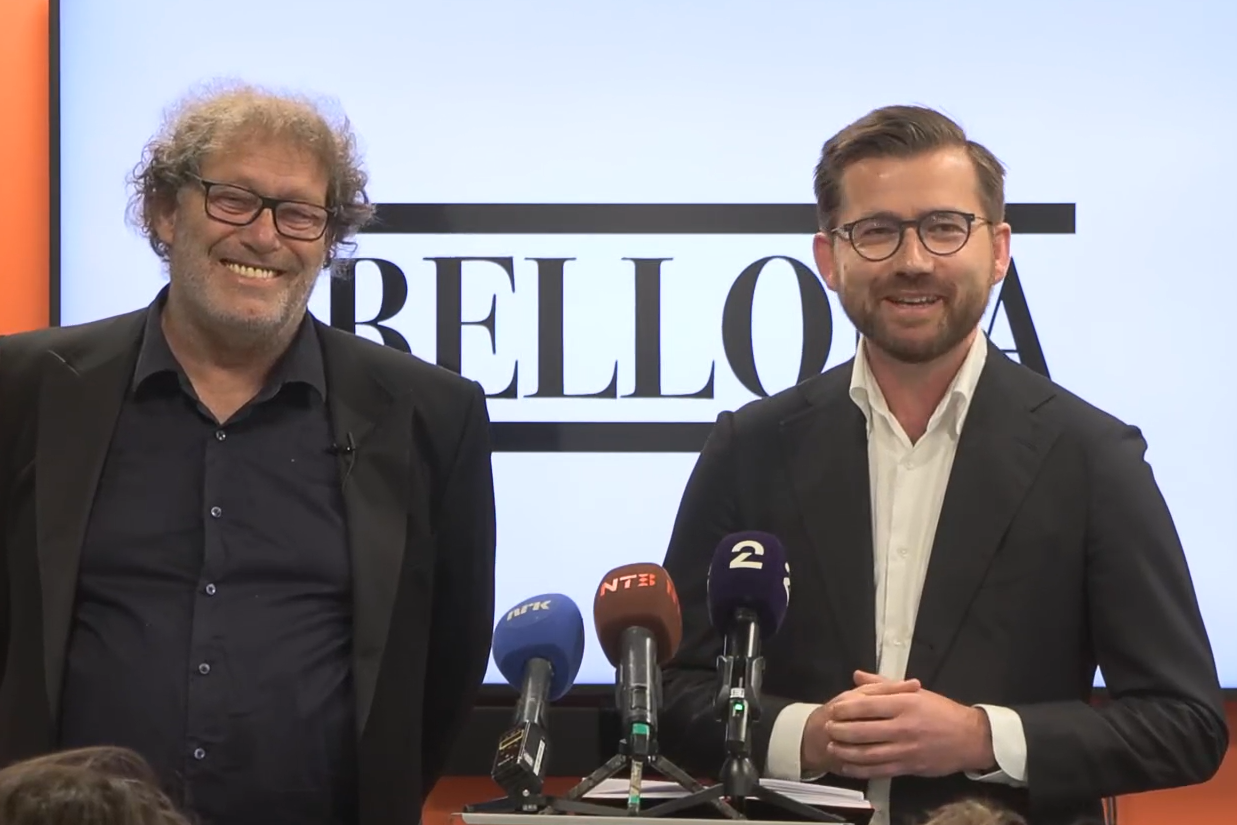
A fundraising campaign launched by the Bellona Foundation has succeeded in securing the organization’s future and averting bankruptcy. ̶...
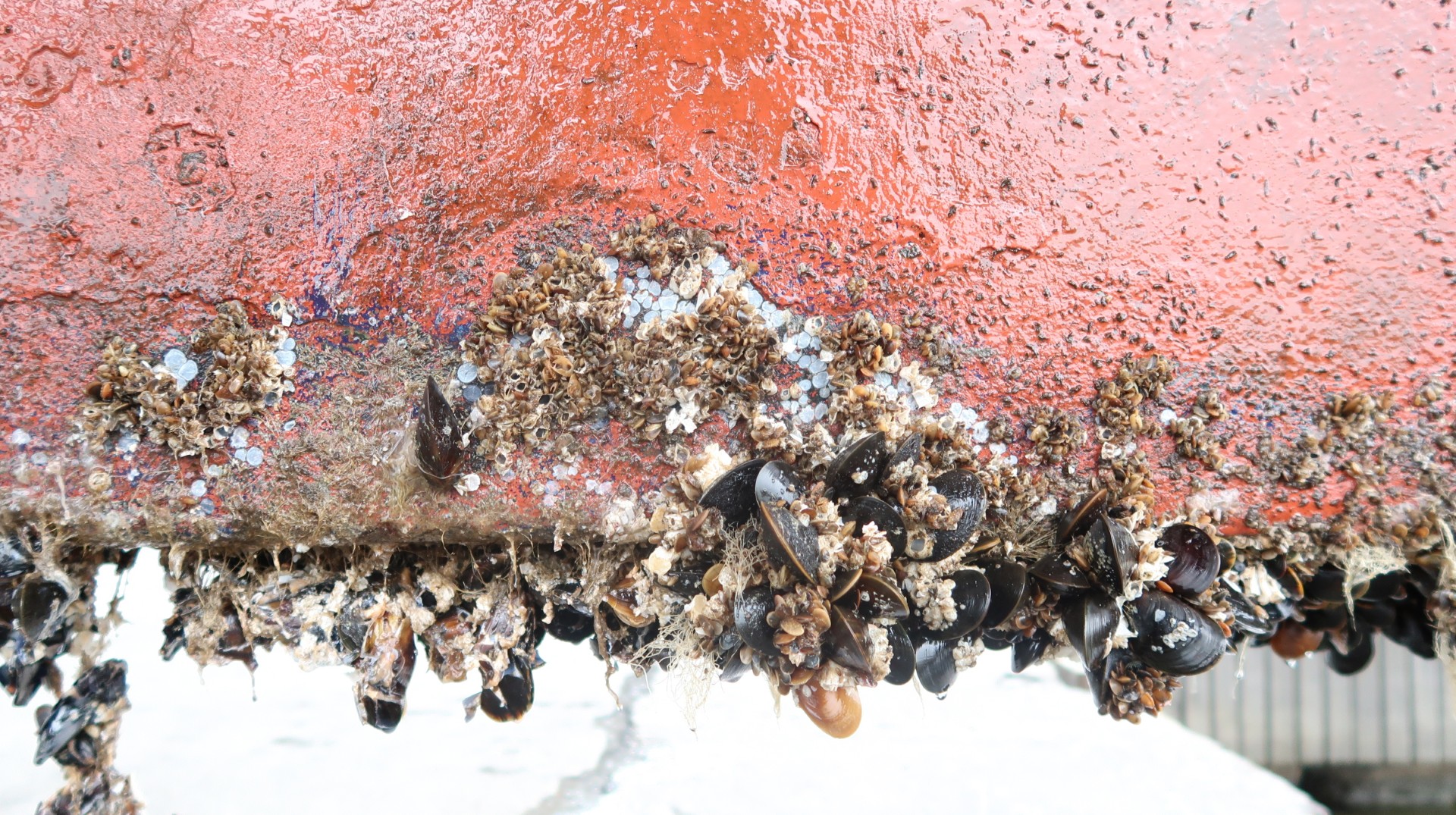
The shipping industry has a harmful secret—hiding just beneath the waterline. Barnacles, algae and microbial slime covering ship hulls may seem like ...