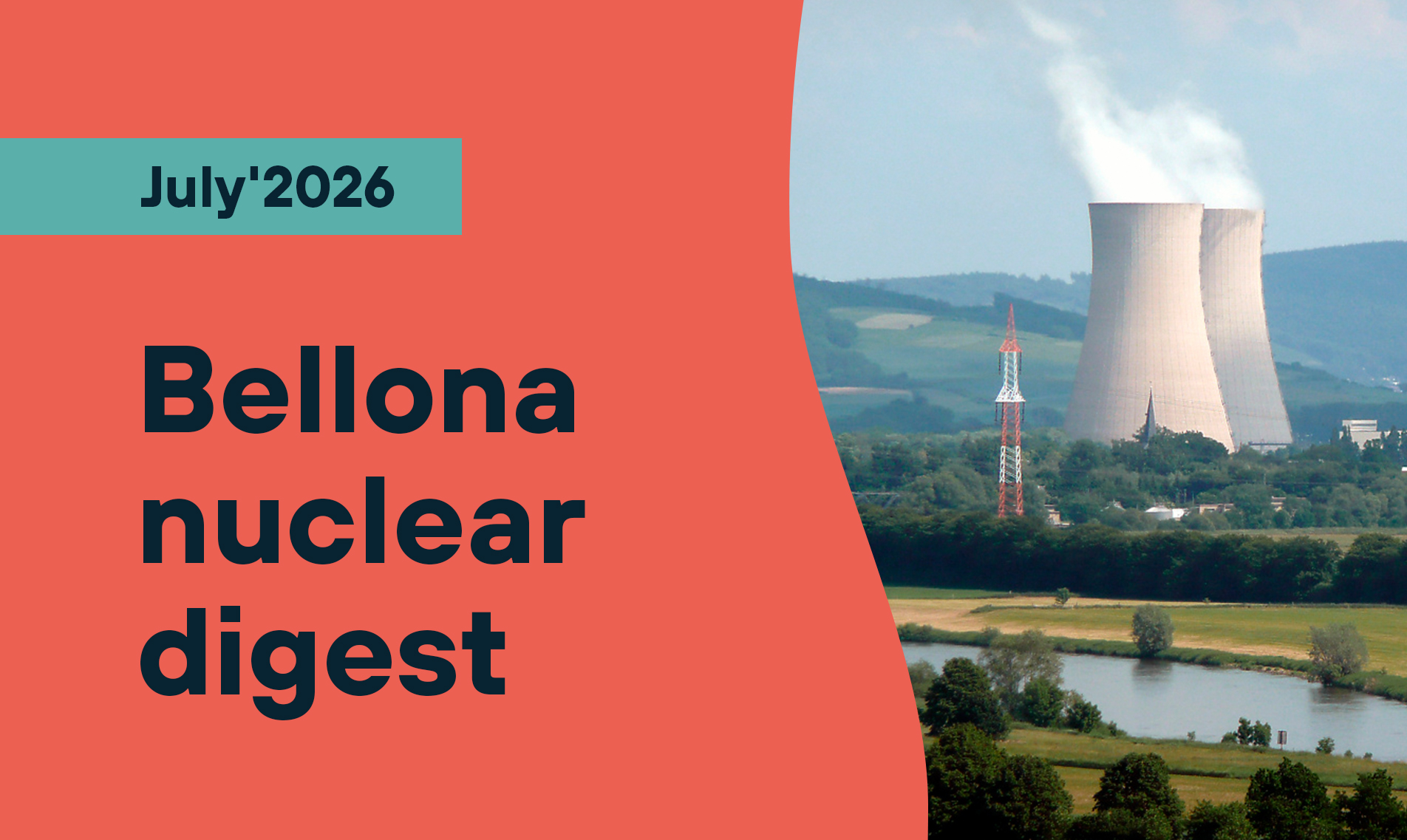
Russian nuclear ties persist in the West as war claims another life at Zaporizhzhia
Nearly four and a half years after Russia’s full-scale invasion of Ukraine, July offered fresh evidence of how difficult it remains to disentangle Ru...
News
Publish date: September 17, 2026
Written by: Charles Digges
News
Europe’s effort to break its dependence on Russian nuclear fuel has a paradox in Germany: making Russian-designed fuel without buying it from Russia may initially require working with Rosatom.
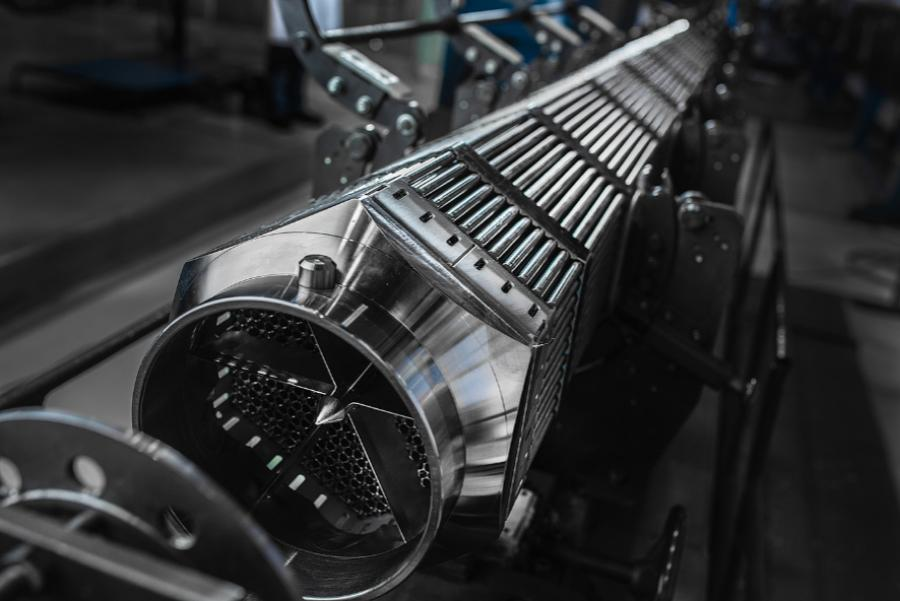
That contradiction is now headed to court. The German environmental group BUND last week sued the state of Lower Saxony over its decision to allow Framatome subsidiary Advanced Nuclear Fuels to expand its fuel fabrication plant in Lingen. The expansion would allow the facility to manufacture fuel for Russian-designed VVER-1000 reactors using licenses and technology from TVEL, Rosatom’s nuclear fuel subsidiary.
The arrangement is supposed to help European nuclear operators do exactly the opposite: reduce direct purchases of Russian fuel.
Since Russia’s invasion of Ukraine, European countries operating Soviet-designed VVER reactors — including Bulgaria, the Czech Republic, Finland, Hungary and Slovakia — have been searching for alternatives to Russian nuclear fuel. Several have already begun introducing fuel from Western suppliers, while Hungary and Slovakia remain more dependent on Russian supplies.
Framatome argues that cooperation with TVEL is an interim step that will allow it to supply those customers while developing its own independent production technology.
But BUND claims that the arrangement creates security risks inside a piece of European nuclear infrastructure. The group says some manufacturing and quality-control processes will use Rosatom-supplied machinery, raising the possibility of manipulation, espionage or sabotage. Its lawsuit also alleges procedural shortcomings in the approval process, including reliance on outdated environmental assessments.
German authorities themselves acknowledge the uncomfortable fit.
Lower Saxony approved the expansion in July only after consultations with the federal government and imposed unusually strict conditions. Rosatom and TVEL personnel are generally prohibited from entering the Lingen facility. Russian-supplied hardware and software must undergo outside security checks and remain isolated from other plant computer systems, while fuel components arriving from Russia must be inspected for possible manipulation.
Lower Saxony Environment Minister Christian Meyer has said he fundamentally opposes cooperation with Rosatom. But federal and state authorities concluded that existing German nuclear law provided no legal basis to reject the application on the security evidence before them.
Berlin says the proper mechanism for stopping such cooperation would instead be European Union sanctions against Russia’s nuclear sector—sanctions Germany supports but which have failed to win sufficient backing from other EU members.
The dispute highlights a problem Bellona has followed since the invasion of Ukraine: replacing Rosatom is considerably more complicated than simply signing contracts with other fuel companies.
Decades of Soviet and Russian nuclear development left VVER operators dependent on specialized fuel designs and supply chains. Western companies are developing alternatives, but creating a completely independent manufacturing capability takes time.
According to Bellona nuclear expert Dmitry Gorchakov, Framatome is out on a limb with several existing orders for VVER fuel for reactors in Bulgaria, Slovakia and Hungary—orders it can only fulfill on time with Rosatom’s help.
“Framatome needs to cooperate with Rosatom because it does not yet have its own fully licensed, independent technology for manufacturing fuel for VVER reactors,” Gorchakov said. “The company is developing that technology in parallel, but it will need several more years to complete and test it.”
A joint facility at Lingen is a shortcut to that goal, Gorchakov added. Instead of waiting for an entirely Western VVER fuel-production chain, Framatome would manufacture Russian-designed fuel in Germany while gradually developing its own technology.
The controversy also raises a broader question about how Europe defines nuclear independence. Germany considers cooperation with Rosatom politically undesirable and has imposed extraordinary security conditions on the Lingen arrangement. Yet it also considers the project one route toward replacing Russian fuel imports.
“Continuing to cooperate with Rosatom on the production of VVER fuel in Europe would simply shift this dependence into another, somewhat less direct and obvious form,” said Gorchakov. “But it would still be dependence.”
It also creates two risks, he added. First, it preserves a revenue stream to Rosatom from Europe’s nuclear economy. Second, it could delay the introduction of Framatome’s own fully independent, proprietary fuel in Europe and postpone the complete phaseout of Russian-produced fuel for VVER reactors in the EU.
“However, as long as there are no sanctions or restrictions on Russian supplies to the EU, this cooperation is far from unique,” Gorchakov noted. “Rosatom has supplied — and plans to continue supplying — several dozen tonnes of enriched uranium annually to the Lingen plant for the production of nuclear fuel for Western-designed reactors.”
Cooperation between the French and Russian nuclear industries also continues on Rosatom projects outside Europe, Gorchakov said. So while the Lingen plant is a particularly visible and high-profile example, it is far from the only instance of Franco-Russian cooperation in the nuclear sector. Whether Lingen represents a practical bridge to independence or simply relocates Russian nuclear dependence inside the European Union is now a question for Germany’s courts.
Nearly four and a half years after Russia’s full-scale invasion of Ukraine, July offered fresh evidence of how difficult it remains to disentangle Ru...
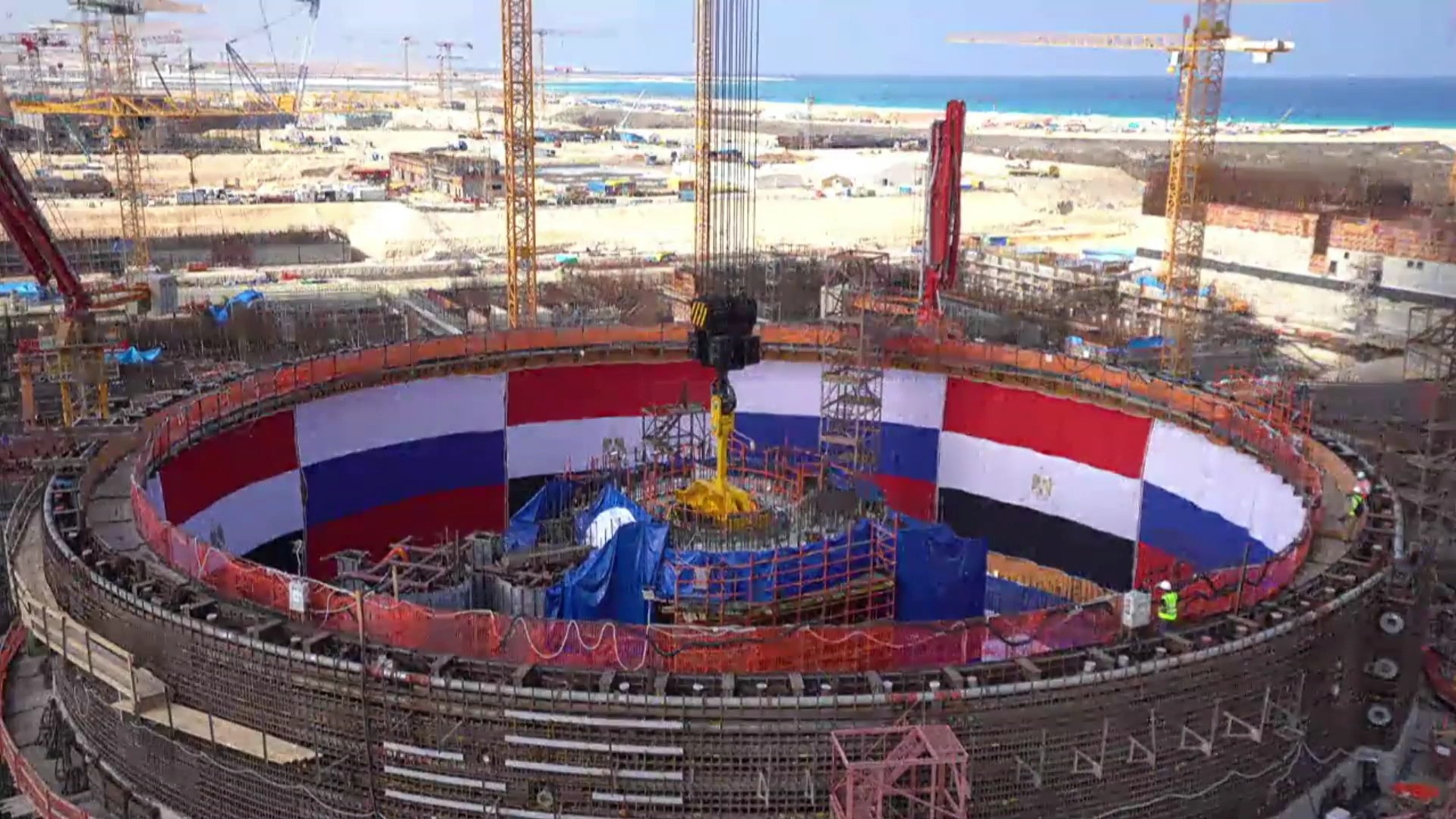
Just days after Egyptian nuclear authorities reportedly accused Rosatom of construction defects, poor management and vi...
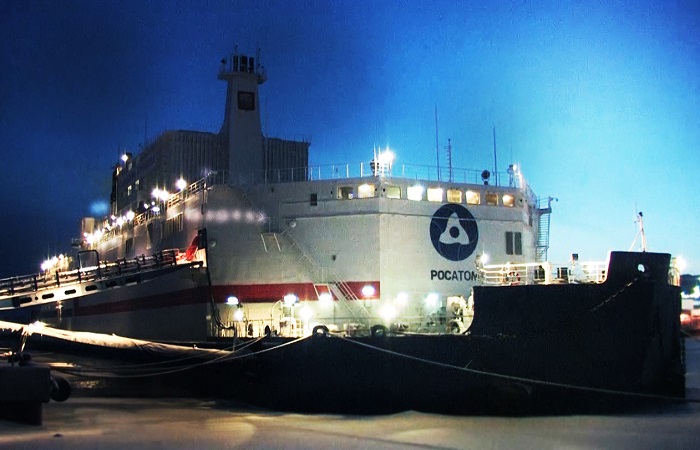
For years, the Akademik Lomonosov looked like one of the nuclear industry’s more eccentric experiments: two reactors mounted on a barge and tow...
Russia’s war against Ukraine continues to reshape the global nuclear industry in ways that extend beyond the battlefield. Western governments a...