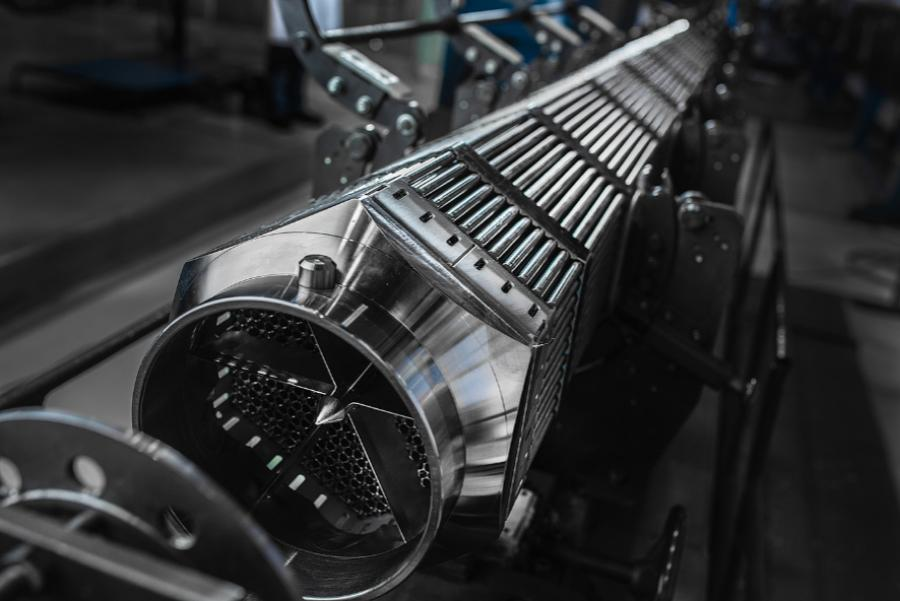
Germany wants independence from Russian nuclear fuel, using Rosatom as a bridge
Europe’s effort to break its dependence on Russian nuclear fuel has a paradox in Germany: making Russian-designed fuel without buying it from Russia ...
News

Publish date: November 12, 2024
News
«The EU will now become substantially more important for climate, technology development, and transition in the coming four years»

Frederic Hauge
Founder
With the election of Donald Trump, the U.S. will no longer be a driving force globally to achieve the 1.5-degree target. Trump has, among other things, indicated that he wants to withdraw the U.S. from the Paris Agreement and will likely resume efforts to reduce domestic climate and environmental regulations.
An analysis from Carbon Brief concludes that Trump’s plans would increase U.S. emissions by four billion tons of CO₂ by 2030, compared to President Biden’s policies. This amount is equivalent to the combined annual emissions of the EU and Japan.
“As in Trump’s previous term, states led by Democrats will be crucial for continued transition. California alone is the world’s fifth-largest economy and can drive significant change. But they cannot replace the global leadership of the U.S., for example in climate negotiations,” says Hauge.
The Inflation Reduction Act (IRA) is one of President Biden’s strongest climate actions, driving significant investments in renewable energy and zero-emission technology over the past four years. Numerous industrial players have flocked to the U.S. to benefit from substantial subsidies under the IRA. The election results now create uncertainty about how extensive Trump’s changes to this package could be.
“We note that many have believed the IRA to be safe. But with a Republican majority in both the Senate and the House, there is considerable uncertainty about what this will look like going forward. So, the EU must step up,” says Hauge.
The EU will play a very important role going forward in climate leadership and industrial transformation. It has a clear task in shaping an industrial policy that ensures critical industries both decarbonize and remain in Europe. It must therefore set itself ambitious goals and support strategic technologies.
«The EU’s leading role in global climate action is now more important than ever. Now is the time to show that an ambitious, stable, and reliable governance framework which supports fair climate action can attract clean investment and boost Europe’s industrial competitiveness.»

Jonas Helseth
Executive Director, Bellona Europa
Europe’s effort to break its dependence on Russian nuclear fuel has a paradox in Germany: making Russian-designed fuel without buying it from Russia ...
Nearly four and a half years after Russia’s full-scale invasion of Ukraine, July offered fresh evidence of how difficult it remains to disentangle Ru...
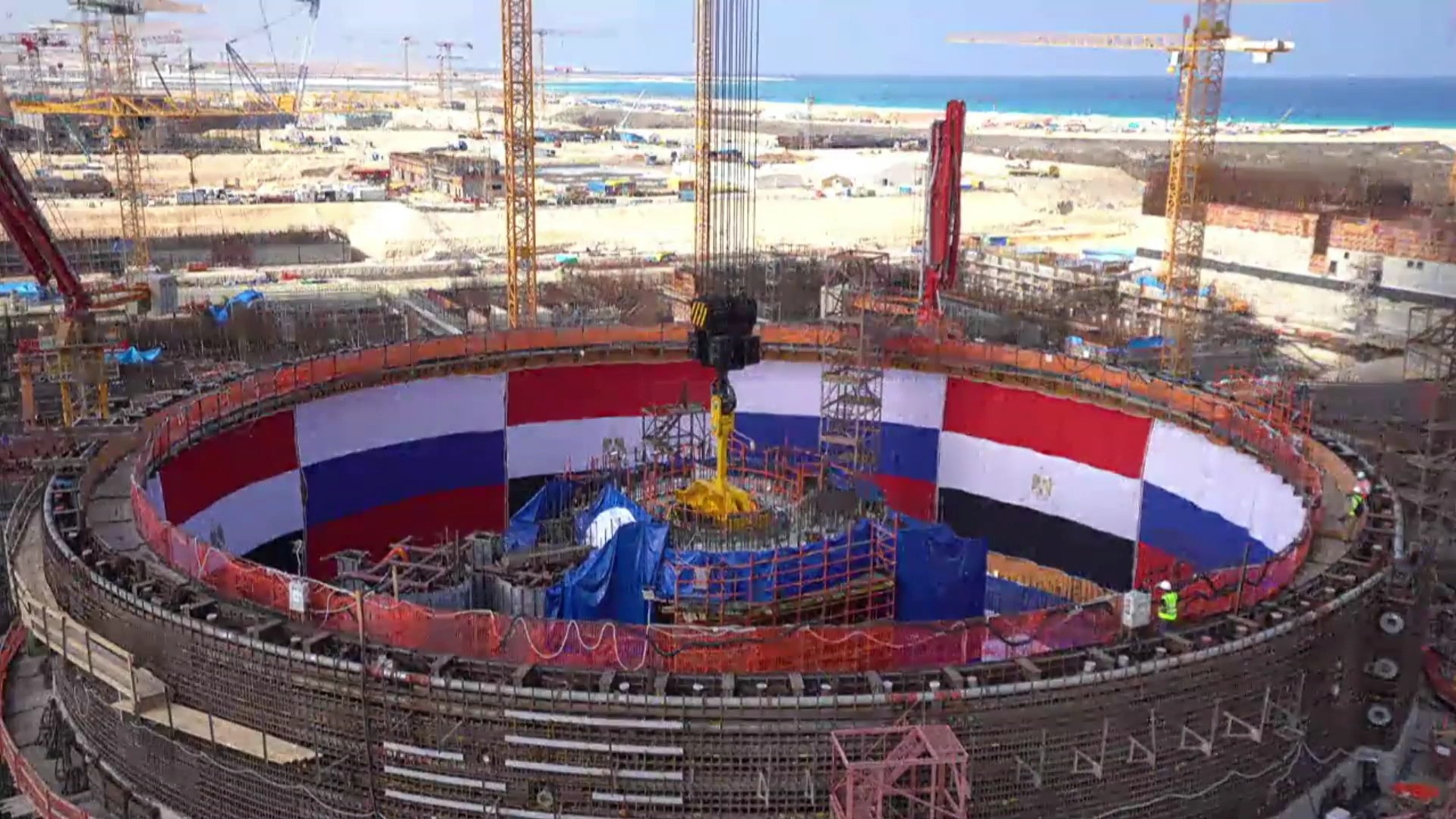
Just days after Egyptian nuclear authorities reportedly accused Rosatom of construction defects, poor management and vi...
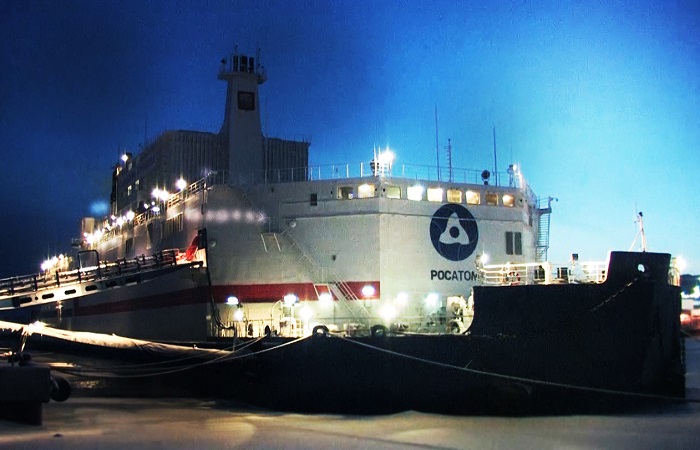
For years, the Akademik Lomonosov looked like one of the nuclear industry’s more eccentric experiments: two reactors mounted on a barge and tow...