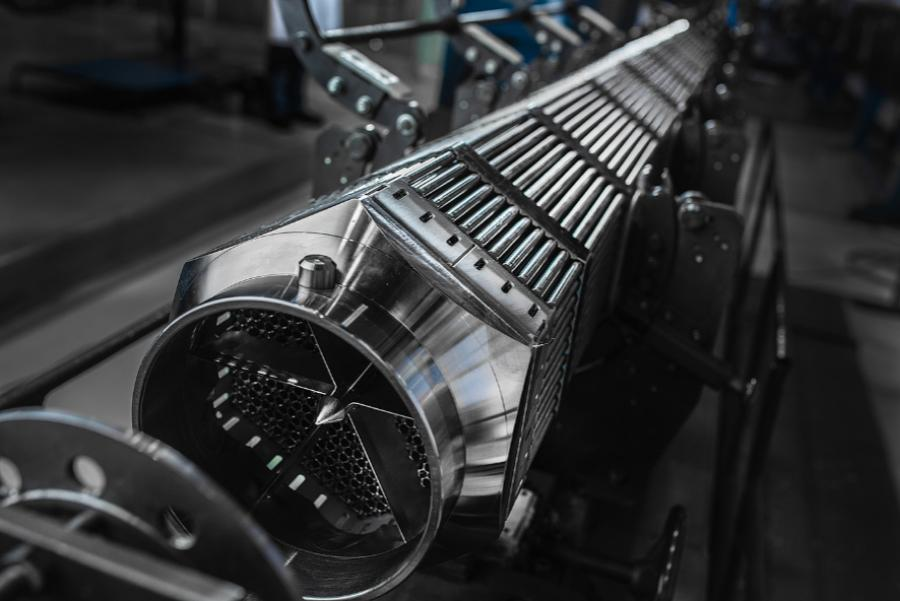
Germany wants independence from Russian nuclear fuel, using Rosatom as a bridge
Europe’s effort to break its dependence on Russian nuclear fuel has a paradox in Germany: making Russian-designed fuel without buying it from Russia ...
News

Publish date: March 22, 2023
News
“Hydrogen-readiness” is seemingly omnipresent in today’s energy discourse. Gas boilers for home heating, the fossil gas transmission and distribution network, LNG terminals or DRI steel plants – what they all have in common is that they increasingly claim to be “hydrogen-ready”. The term even made it into the EU taxonomy by certifying investments in gas-fired power plants as green, provided they are “hydrogen-ready”. But what exactly does “hydrogen-ready” mean and what impact does this promise have on the green transformation?
Even if some of these claims and policies might be backed by the idea of switching to hydrogen in the (usually undefined) long term, they are almost never linked to binding obligations to do so. While this would suffice to show that “hydrogen-ready” is merely an empty buzzword with no strings attached, we identified at least seven reasons why “hydrogen-ready” is a myth that needs to be debunked.

Overall, we warn against betting on “hydrogen-ready” applications to eventually actually run on clean hydrogen. Instead, we should turn more decisively to expanding decarbonisation options, such as direct electrification, which are not only more efficient but also already available in many cases. Hydrogen should be treated as what it actually is: a very valuable yet inefficient energy vector and scarce resource. Therefore, it should only be used in those sectors where there are no alternative decarbonisation pathways. To enable this, a fit-for-purpose infrastructure should be built to deliver hydrogen to no-regret end uses, rather than banking on converting the entire current gas grid into a hydrogen-ready asset.
Read our explainer:
7 Reasons Why ‘Hydrogen-Ready’ is a Myth
Europe’s effort to break its dependence on Russian nuclear fuel has a paradox in Germany: making Russian-designed fuel without buying it from Russia ...
Nearly four and a half years after Russia’s full-scale invasion of Ukraine, July offered fresh evidence of how difficult it remains to disentangle Ru...
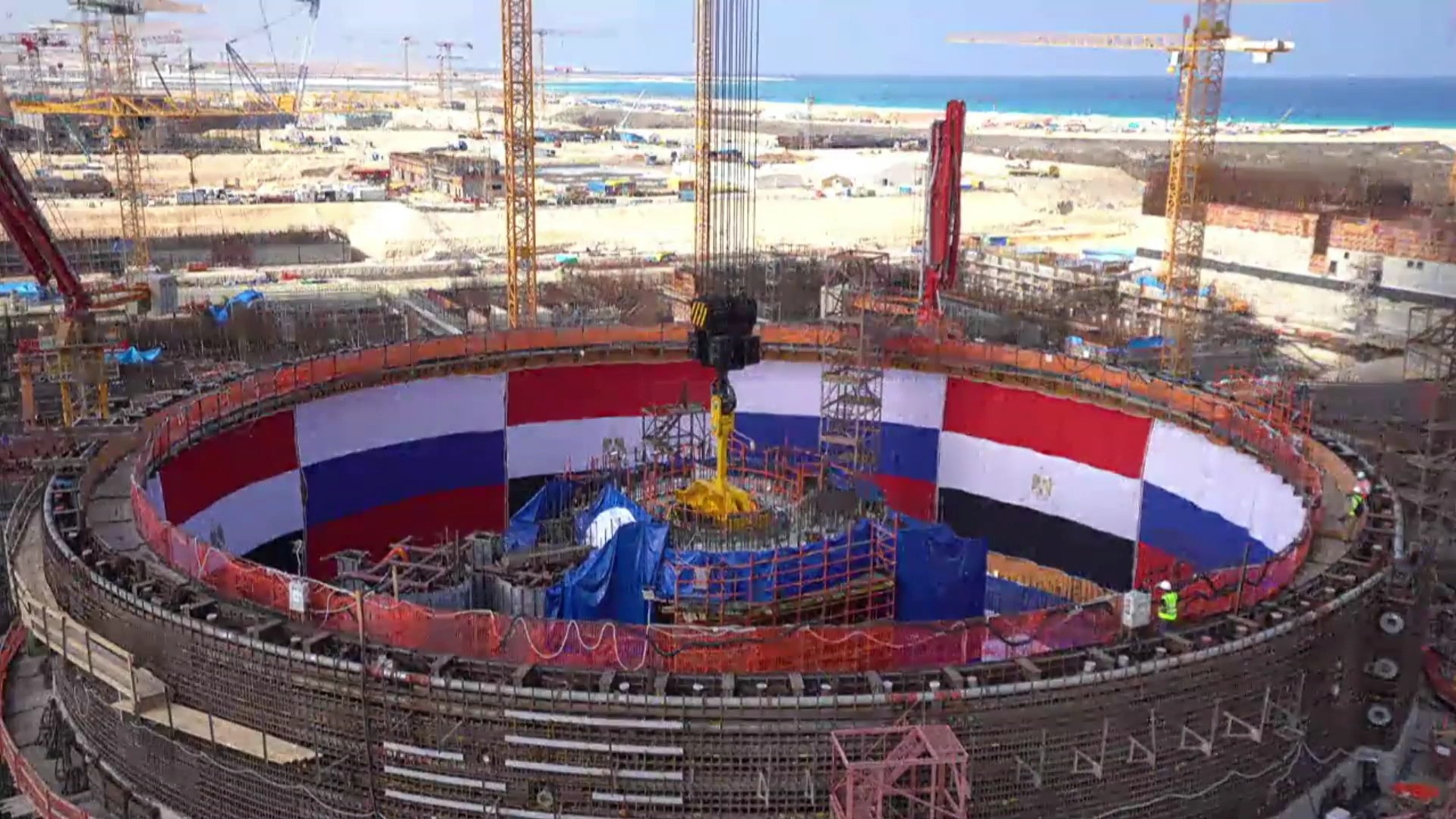
Just days after Egyptian nuclear authorities reportedly accused Rosatom of construction defects, poor management and vi...

For years, the Akademik Lomonosov looked like one of the nuclear industry’s more eccentric experiments: two reactors mounted on a barge and tow...