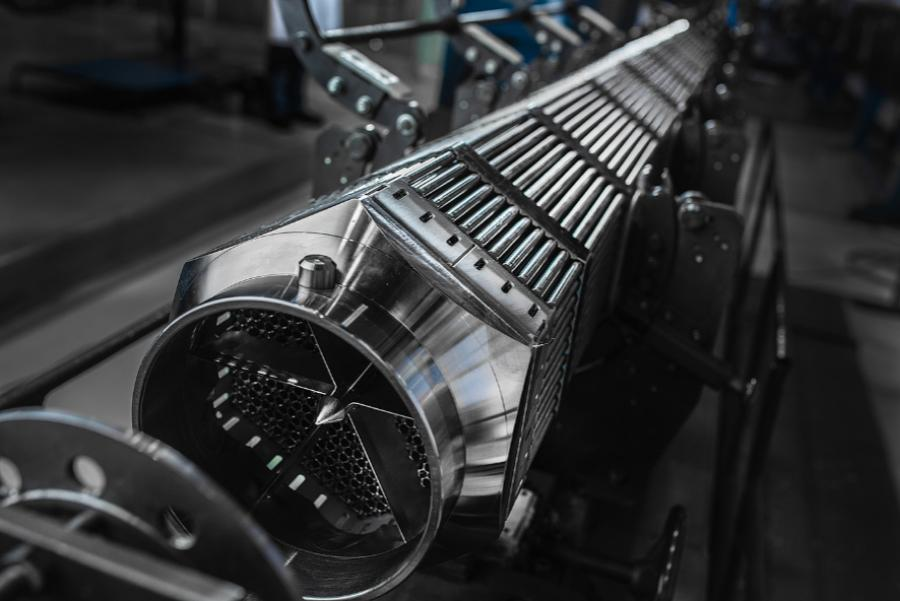
Germany wants independence from Russian nuclear fuel, using Rosatom as a bridge
Europe’s effort to break its dependence on Russian nuclear fuel has a paradox in Germany: making Russian-designed fuel without buying it from Russia ...
News

Publish date: February 8, 2023
News
Today the European Parliament held two votes concerning embodied carbon: First, the ITRE committee voted on the Energy Performance of Buildings Directive (EPBD), second, the ENVI committee voted on its opinion on the Construction Products Regulation (CPR). Both votes represent steps forward on embodied carbon, though the EPBD is tainted by other provisions that risk undermining its climate objectives.
Bellona welcomes the ITRE-committee’s EPBD report and its clear recognition of the role of embodied carbon in buildings and the need to set reduction targets for whole life-cycle emissions, that is, emissions from both operational and embodied carbon.
Without an effective EPBD with clear embodied carbon reduction targets, the EU is unlikely to meet its 2050 carbon neutrality goal. Embodied carbon is responsible for roughly 10–20% of the total carbon footprint of buildings and is estimated to represent as much as half of the whole-life cycle emissions for new buildings constructed in line with advanced energy performance standards.
Four things the ITRE committee’s EPBD-report gets right on embodied carbon:
However, the ITRE committee’s EPBD report has unfortunately been subject to some last-minute changes that threaten other aspects of EU climate targets. Minimum energy performance standards (MEPS) are somewhat weaker than hoped for and the report now supports “hybrid systems” for heating, which could essentially mean a green light for continued use of fossil gas heating.
“Ahead of the plenary in March we hope to see the problematic gas-aspects of the EPBD removed, and that negotiations in the upcoming trilogues further reflect the possibilities found in build on the positive proposals surrounding embodied carbon emission reduction. The buildings that we will live in in 2050 are being built now – we cannot wait until 2030 to begin to limit embodied carbon” says Bellona policy analyst for embodied carbon, Irene Domínguez.
Positive signals for embodied carbon also in the CPR
In parallel, the ENVI Committee approved its opinion on the Construction Products Regulation (CPR) recast. The Committee sent a clear signal to the lead IMCO Committee that embodied carbon considerations must be taken into account for the construction sector to effectively decarbonise.
A solid provision for green public procurement (GPP) was also approved, highlighting the fact that GPP is a key tool to drive development and uptake of low-carbon construction materials. So far, green public procurement has been an underutilised tool to drive low-carbon solutions that should be strengthen in all relevant legislation. Bellona encourages the IMCO committee to follow ENVI’s recommendation also in this aspect.
“Both the EPBD and CPR frameworks need to provide clear signals to actors along the construction materials value chain that there will be a market for low carbon materials and products” says Bellona policy analyst for embodied carbon, Irene Domínguez.
Europe’s effort to break its dependence on Russian nuclear fuel has a paradox in Germany: making Russian-designed fuel without buying it from Russia ...
Nearly four and a half years after Russia’s full-scale invasion of Ukraine, July offered fresh evidence of how difficult it remains to disentangle Ru...
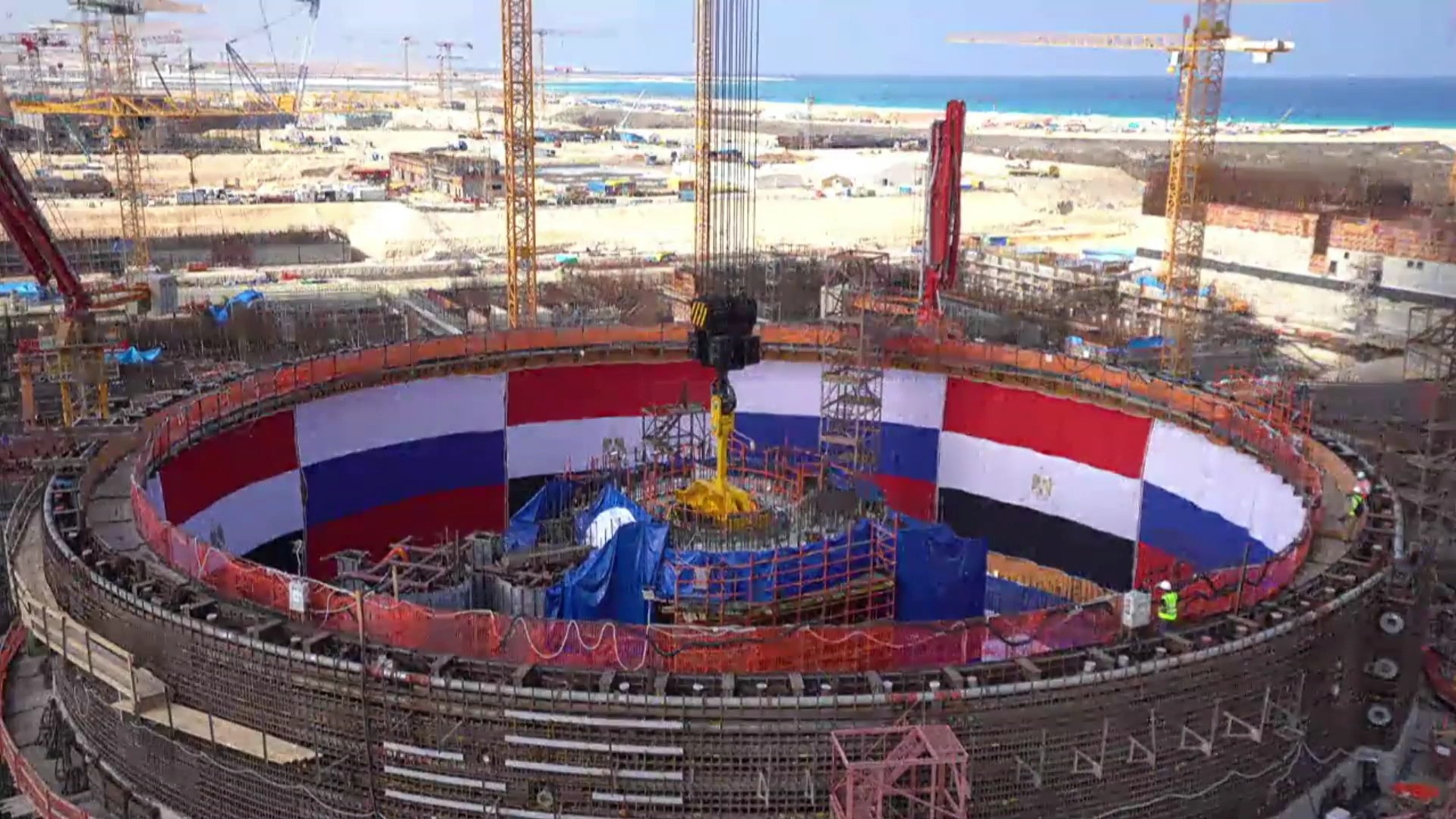
Just days after Egyptian nuclear authorities reportedly accused Rosatom of construction defects, poor management and vi...

For years, the Akademik Lomonosov looked like one of the nuclear industry’s more eccentric experiments: two reactors mounted on a barge and tow...