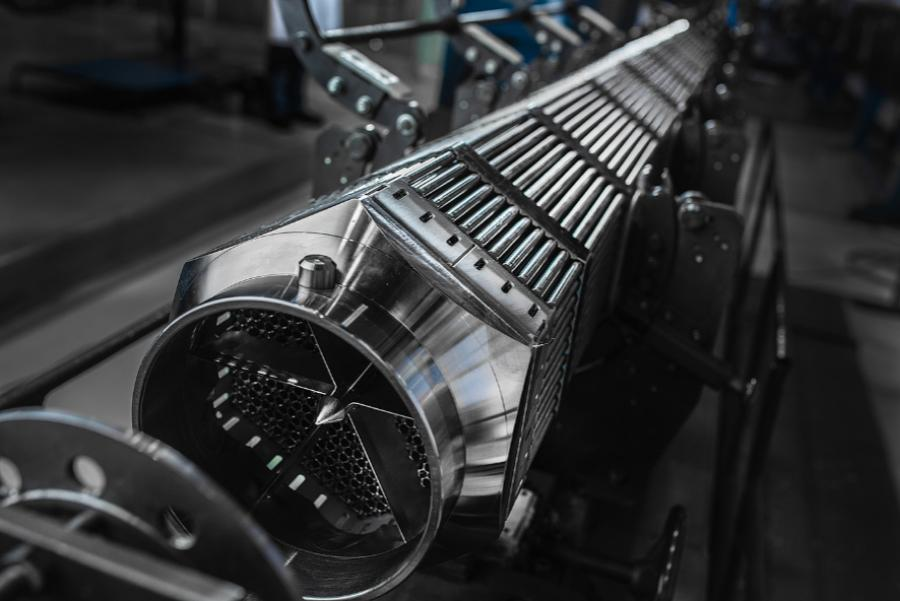
Germany wants independence from Russian nuclear fuel, using Rosatom as a bridge
Europe’s effort to break its dependence on Russian nuclear fuel has a paradox in Germany: making Russian-designed fuel without buying it from Russia ...
News

Publish date: April 14, 2021
News
The government of Estonia, the small Baltic state on Russia’s western border, is investigating the possibility of building nuclear power plants, establishing a government level working group that will present its conclusions by late 2022, World Nuclear News reported.
The announcement is in line earlier statements from Fermi Energia, an Estonian energy startup, which declared in February that it would develop first Europe’s nuclear plant based on small modular reactors by 2035.
“In order to increase Estonia’s energy security, sustainability and competitiveness and achieve the 2050 climate targets, the introduction of nuclear energy would be one of the possible solutions,” environmental minister Tõnis Mölder said, according to WWN. “Nuclear energy would be able to provide 24/7 electricity, independently of weather conditions, while the process of deploying it would be very long lasting and would require huge investment from the state. The difficult question of what to do with spent nuclear fuel should also be resolved.”
The small EU member state and former Soviet Republic, has for decades generated energy for its 1.3 million people by burning carbon intensive oil shale and making up shortfalls through its connection to the Russian and Belarusian grids.
But that lifeline will be phased out in 2025, when Estonia, and its Baltic neighbors Lithuania and Latvia, also former Soviet republics, will synchronize with the European grid via Poland.
At the same time, Estonia, along with the other Baltic states, is boycotting electricity produced by the nearby Belarusian nuclear plant, where a Russian-built VVER-1200 reactor went into commercial service in November of last year.
The three Baltic governments have alleged safety violations in the plant’s construction and operation, which Rosatom, Russia’s state nuclear corporation, denies. A number of unscheduled shutdowns of the reactor just days after the new reactor came online has only served to heighten those fears.
In December, a scheduled safety meeting at the Belarusian plant with European Union officials was cancelled when plant representatives failed to prepare for the visit.
Mölder said the development of a nuclear energy sector in Estonia would require public support must provide “clear answers to people’s legitimate questions and fears.”
“A science-based approach alone is not enough,” he added, according to WNN. “The general preparedness of people and society is also needed.”
But nuclear power isn’t a go for the country yet. Mölder said the government working group will analyze technologies and actual projects under development in other countries and assess whether the development of a nuclear power plant should be carried out by the state or the private sector and what the possibilities for private-public cooperation could be.
The recent developments are not Estonia’s first flirtation with the idea of building a nuclear power plant. Eesti Energia, Estonia’s state-owned energy company, considered building a nuclear plant are part of a joint venture with Latvia and Lithuania during the first decade of this century.
The plant would have been located near the Soviet-built – and now decommissioned –Visaginas nuclear plant in Lithuania. The plans, however, were not realized.
`
Europe’s effort to break its dependence on Russian nuclear fuel has a paradox in Germany: making Russian-designed fuel without buying it from Russia ...
Nearly four and a half years after Russia’s full-scale invasion of Ukraine, July offered fresh evidence of how difficult it remains to disentangle Ru...
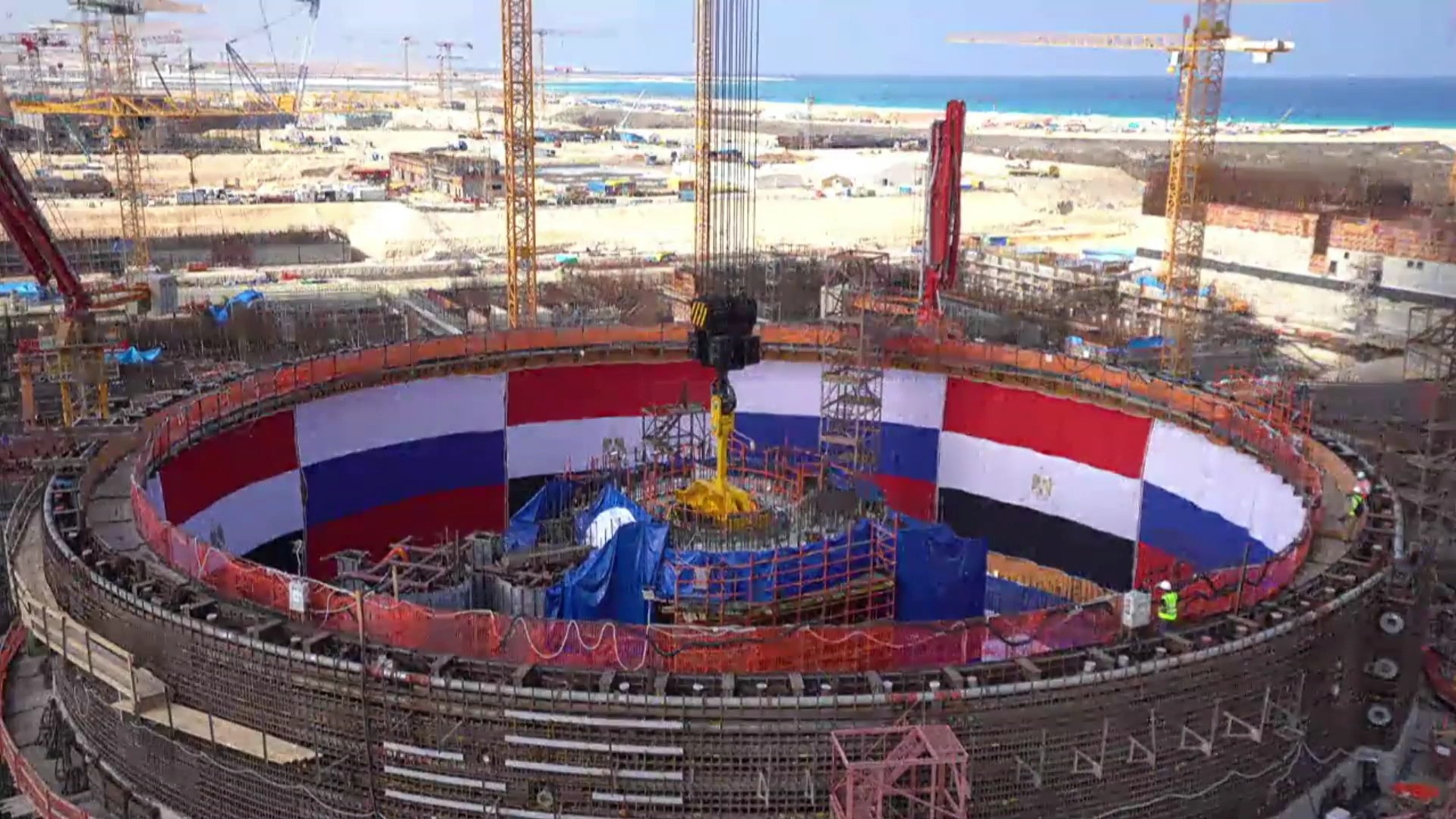
Just days after Egyptian nuclear authorities reportedly accused Rosatom of construction defects, poor management and vi...
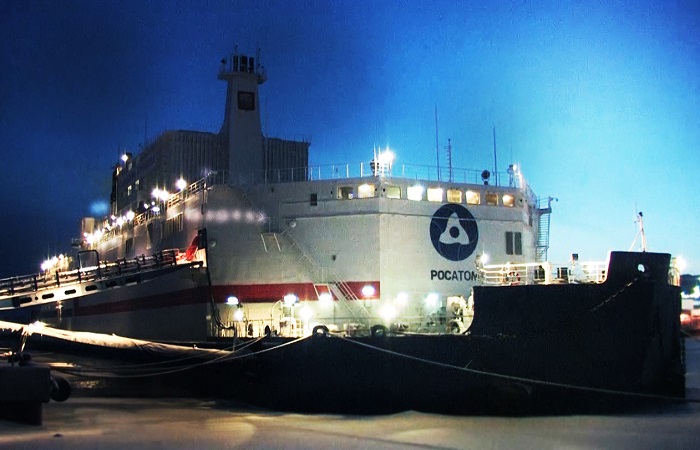
For years, the Akademik Lomonosov looked like one of the nuclear industry’s more eccentric experiments: two reactors mounted on a barge and tow...