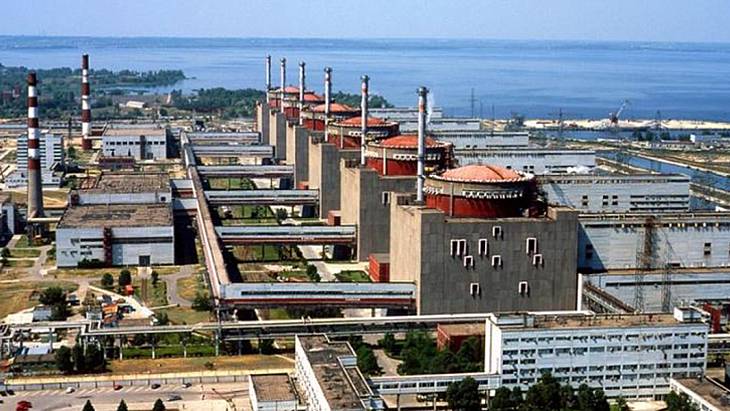
European nuclear regulators warn of escalating accident risks in Ukraine this winter
International nuclear safety regulators representing 38 countries warned Monday that Russia’s intensifying attacks on Ukraine’s electrici...
News
Publish date: January 27, 2021
News
Bellona welcomes the initiative report on the new Circular Economy Action Plan of the European Parliament, adopted today by the ENVI Committee. The report welcomes the Circular Economy Action Plan released in March 2020 by the European Commission, under the European Green Deal, and urges the Commission to design a robust policy framework for a low-carbon circular economy.
As fossil carbon embedded in products becomes an increasingly larger share of our emissions, reducing waste generation and material use becomes an important element in the climate discussion within the EU. As the EEA concluded in a recent report on Economic Growth, ‘’the circular economy may not deliver the transformation to sustainability if circularity measures fuel a growth strategy that leads to increased material consumption’’. Therefore, the EP’s call for binding targets for waste reduction and material use is particularly important and a welcome shift from measures which are usually added on top of the existing production and consumption system, such as recycling.
‘’While the report is a welcome and ambitious political message, it will need to be followed up by specific and binding measures. For example, we need a methodology that properly quantifies the real impact of circularity measures on the climate’’ said Ana Šerdoner, Policy Manager for Industry at the Bellona Brussels office. In the report, the EP also highlighted the necessity of scientifically robust measurement to capture synergies between the circular economy and climate change mitigation.
Quantifying and monitoring these synergies will be crucial to prevent any potential greenwashing practices. ‘’The Parliament’s emphasis of waste prevention is a good start. Making sure that circularity targets don’t lead to adverse effects such as an increase in material use will be important to keep circular economy measures in line with climate goals’’, she continued.
The EP’s report sets the stage for an ambitious circular economy action plan that reflects the EU’s environmental and climate goals. So how can these recommendations be leveraged within the initiatives of the CEAP to lead to the best outcome for the climate and environment?
For more information on the impacts on waste and plastics, read the reactions from Zero Waste Europe and the Rethink Plastic Alliance.
International nuclear safety regulators representing 38 countries warned Monday that Russia’s intensifying attacks on Ukraine’s electrici...
International shipping along Russia’s Northern Sea Route (NSR) expanded during September, with Chinese and South Korean operators testing new c...

Russia’s state nuclear corporation Rosatom is intensifying efforts to market floating nuclear power plants to African countries, promoting the ...
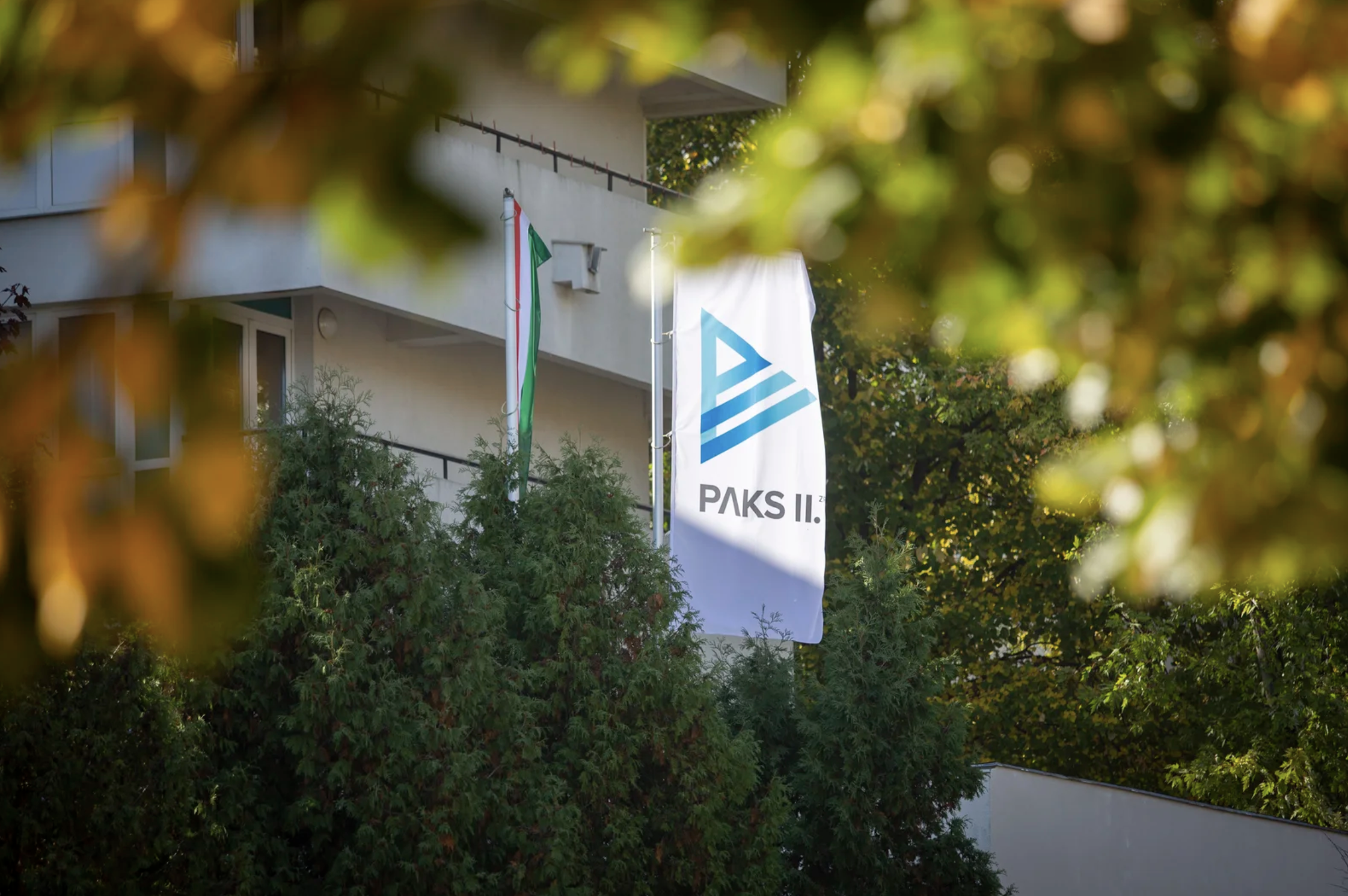
Hungary’s new government is considering replacing Russia’s state nuclear corporation Rosatom as the main contractor for the Paks II nucle...