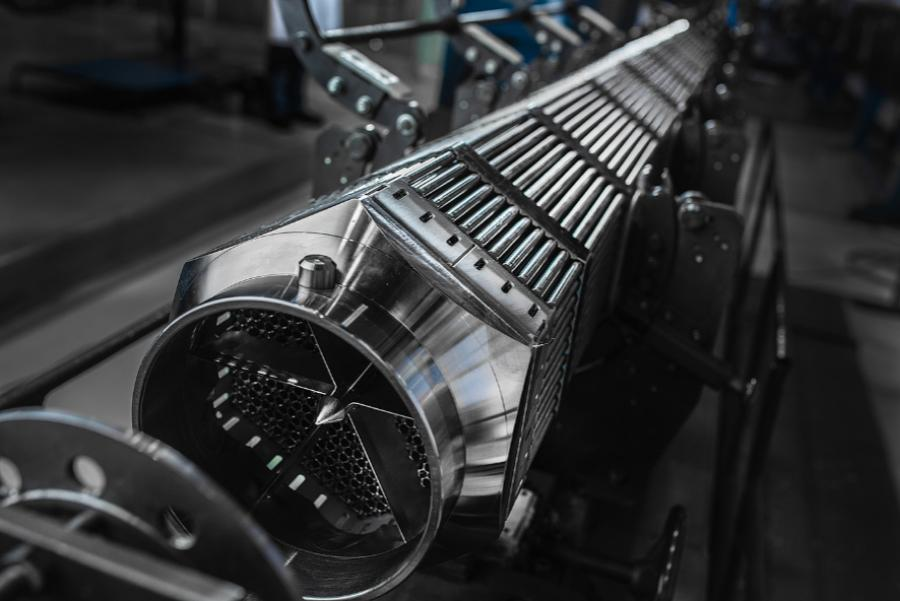
Germany wants independence from Russian nuclear fuel, using Rosatom as a bridge
Europe’s effort to break its dependence on Russian nuclear fuel has a paradox in Germany: making Russian-designed fuel without buying it from Russia ...
News

Publish date: December 12, 2017
News
Ukraine has in recent years dealt with many more challenges than opportunities. The economic situation in the country has fluctuated over the previous decades, varying from times of struggle to renewed growth and to recession again due to external influence. Today the Ukrainian economy still rests on traditional core industries, with exports in the form of agricultural goods, metals and lower value-added products. These sectors are limited in growth potential, and potentially at risk from new disruptive technologies. It is important for Ukraine that industry, workers, education and legislators work together to take advantage of all emerging economic opportunities. What global trends in emerging technology, industry, services and energy can Ukraine take advantage of to create new, globally competitive, high value-added sectors?
 Bellona Report 'The Opportunities for Ukraine in a Low-Carbon Future'
Credit: Bellona
Bellona Report 'The Opportunities for Ukraine in a Low-Carbon Future'
Credit: Bellona
The aim of this report is to provide an overview of the overlap of Ukraine’s existing strengths and potentials with the projected future market growth of low-carbon technologies and products. The transition to a low carbon economy opens new commercial niches that Ukraine is well positioned to contribute to and profit from. The impetus of reaching climate targets is unleashing a wave of disruptive technological change. Rapidly increasing competitiveness of clean technologies and services are creating new industrial sectors that are anticipated to grow globally. The 21st century will require vast amounts of low-carbon inputs requiring new supply chains and producers servicing new commercial niches. The structure of the report reflects some of the major technologies that are projected to contribute to those inputs and provide significant emissions reductions and commercial opportunity to stay within the 2-degree target.
Wind power. By 2040, wind power is projected to increase from the current 4% to 17% of total electricity generation worldwide. With an annual investment between 146-170 billion USD for global additions. As growth in
European wind market shifts eastward, Ukraine will be able to use its existing industrial ecosystem to meet export demand for wind power infrastructure.
Solar power. Just as wind generation capacities, the solar market has exceeded its projected growth year after year.
With the exports of solar components from China dropping, Ukraine will be able to make use of the drop-in supply for the ever-demanding European market.
Batteries. The investment required for further electricity storage technologies worldwide will range from 380-
590 billion USD. The growth of the lithium-ion battery market will be particularly noticeable in Europe. With abundant natural resources and a highly qualified population, Ukraine has large potential to tap into the expanding energy storage market.
Energy efficiency. Energy efficiency measures are key to both enable the future growth of renewables and complement their CO2-emissions-reduction potential. Only the renovation of buildings in the European Union will require average annual investments of approximately 130 billion EUR. By developing the production of products such as heat pumps, Ukraine can contribute to this developing market both domestically and in Europe.
Low-carbon infrastructure. Technologies such as Carbon Capture and Storage will be crucial to achieving deep emission reductions in energy intensive industries in Europe. Only capturing the CO2 from the cement industry will
require additional yearly investments of 6 billion USD. With its natural resources and experience in producing metal products, Ukraine could contribute to building a CO2 transport and storage network in Europe necessary for reaching the 2-degree goal.
The full report can be accessed here.
Europe’s effort to break its dependence on Russian nuclear fuel has a paradox in Germany: making Russian-designed fuel without buying it from Russia ...
Nearly four and a half years after Russia’s full-scale invasion of Ukraine, July offered fresh evidence of how difficult it remains to disentangle Ru...
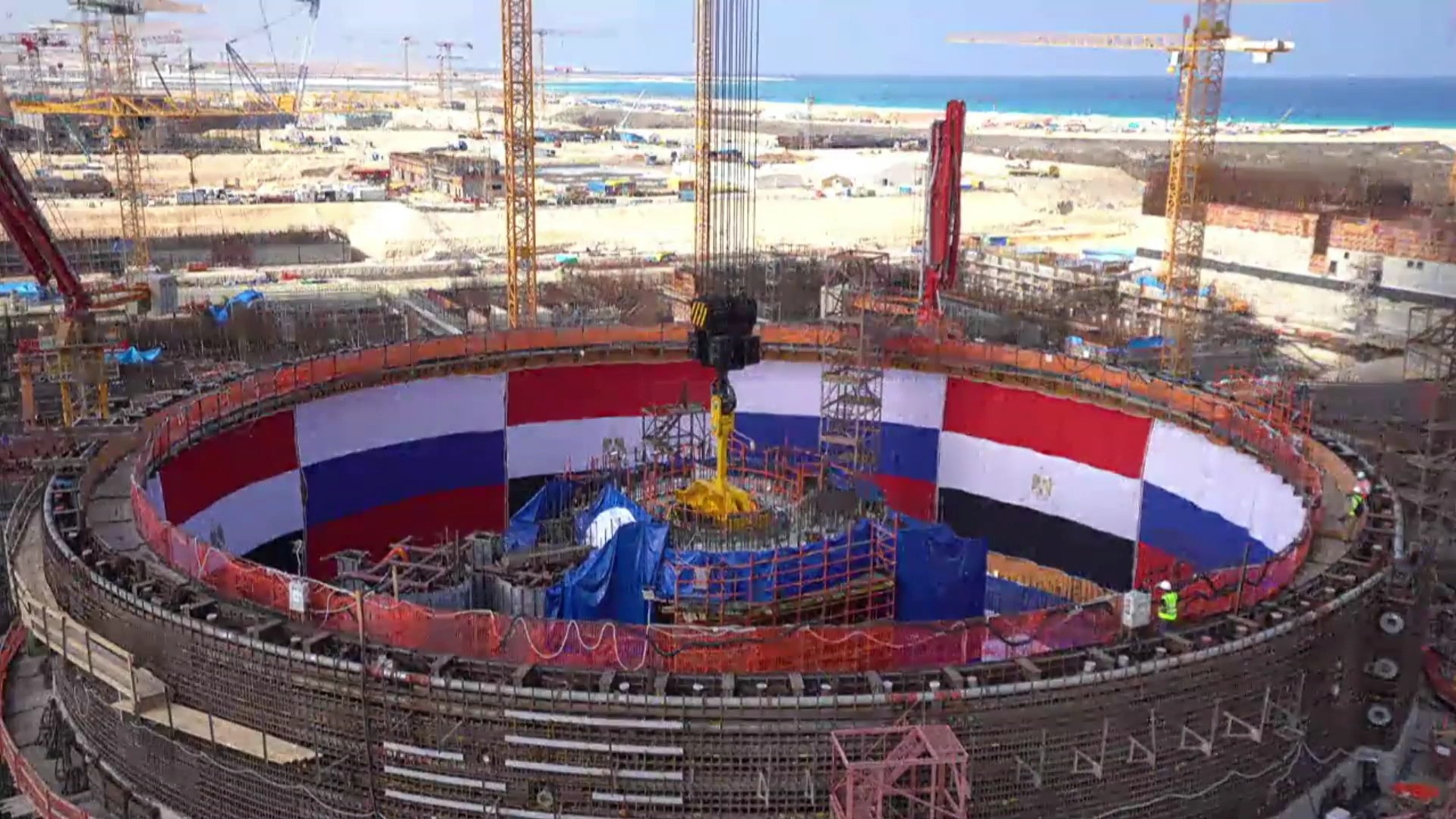
Just days after Egyptian nuclear authorities reportedly accused Rosatom of construction defects, poor management and vi...
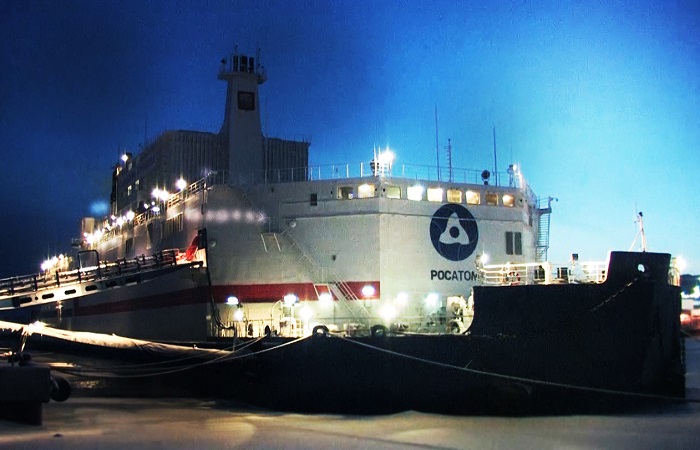
For years, the Akademik Lomonosov looked like one of the nuclear industry’s more eccentric experiments: two reactors mounted on a barge and tow...