IAEA suspends senior Russian official — but not over the questions surrounding his Rosatom ties
The International Atomic Energy Agency has suspended one of its most senior Russian officials — but for reasons largely unrelated to the questions ab...
News

Publish date: February 11, 2016
News
Bellona strongly welcomes this agreement, and sees it as a catalyst for the uptake of sustainably sourced biofuels, specifically from marine sources. These in turn would be a pre-condition to meeting the cap in a sustainable manner.
«This agreement marks a true historic milestone in global efforts to curb aviation emissions, which have seen an alarming upwards trend over the past years. While surely deserving applause, it is important to note what the cap will entail. We, at Bellona, believe it will act to strengthen the drive and need for sustainably sourced biofuels, with marine-grown, third generation biofuels, such as seaweed, holding particularly great potential» reacts Jonas Helseth, Director at Bellona Europa.
European leadership needs to boost investments into the development of non-food biomass feedstocks, which do not compete with other land use including food production, namely marine-based biomass whose sigificant potential is largely unexploited. The sea accounts for 50% of the world’s biomass production, yet on a global basis only 2% of our energy today comes from the sea. Bellona has shared its recommendations for unleashing the true potential of marine biomass in its recent response to the Commission’s consultation on the post-2020 Renewable Energy Directive.
What the cap entails
The proposed rules would limit CO2 emissions and strengthen the efficiency of all new commercial and business airliners after 2028 by an average of 4%, however, new large aircraft will have to start complying in 2020. The emission standards, if given final approval later this year, will reduce carbon emissions by 650 million tons between 2020 and 2040, according to calculations of the International Council on Clean Transportation.
The agreed upon cap is not only crucial in the aftermath of COP 21, with the resulting Paris agreement having omitted aviation from its text, but also because of the alarming upward trend of the sector’s emissions. Between 1990 and 2014 we have observed an 80% increase in CO2 emissions stemming from aircraft. A recent European Commission report predicts their share rising by another 45% between 2014 and 2035.
Next steps
The emissions cap was unanimously recommended by the 170 international experts on ICAO’s Committee on Aviation Environmental Protection (CAEP); its ultimate adoption is not to be decided on by the UN agency’s 36-State Governing Council later this year.
The International Atomic Energy Agency has suspended one of its most senior Russian officials — but for reasons largely unrelated to the questions ab...
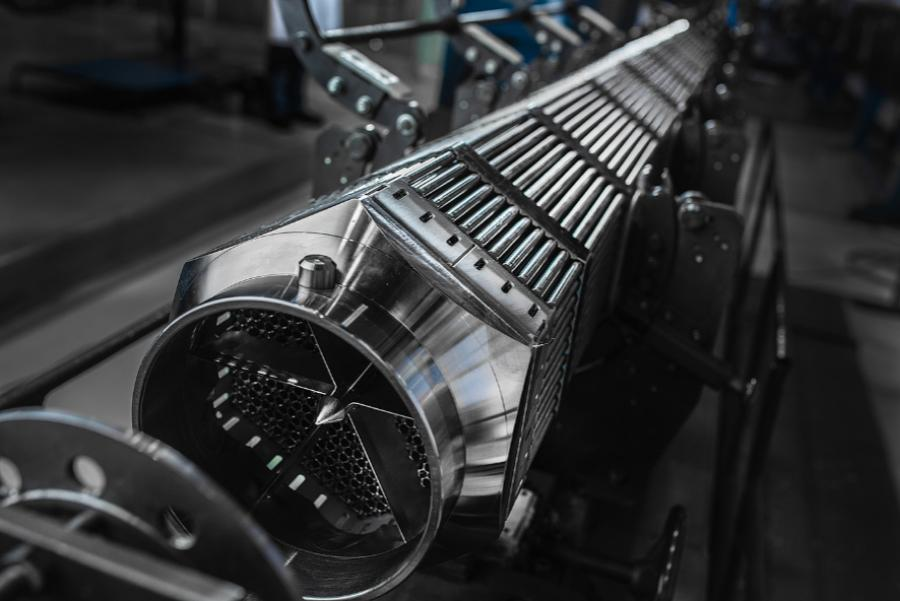
Europe’s effort to break its dependence on Russian nuclear fuel has a paradox in Germany: making Russian-designed fuel without buying it from Russia ...
Nearly four and a half years after Russia’s full-scale invasion of Ukraine, July offered fresh evidence of how difficult it remains to disentangle Ru...

Just days after Egyptian nuclear authorities reportedly accused Rosatom of construction defects, poor management and vi...