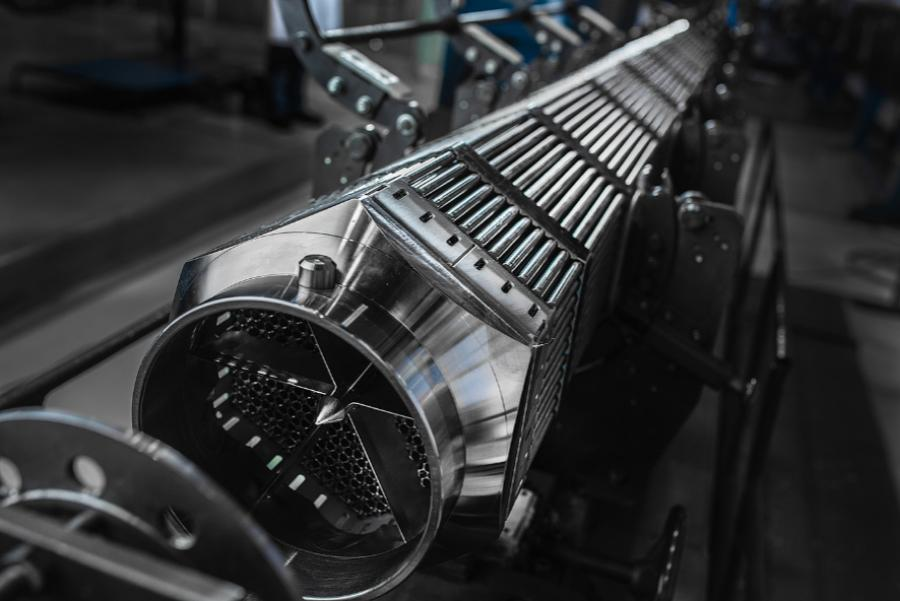
Germany wants independence from Russian nuclear fuel, using Rosatom as a bridge
Europe’s effort to break its dependence on Russian nuclear fuel has a paradox in Germany: making Russian-designed fuel without buying it from Russia ...
News
Publish date: January 25, 2005
News
Washington Group International, Inc. announced in the end of December that it has been awarded a $285-million contract to refurbish electric power generating facilities in Siberia as part of a United States Department of Energy program to permanently shut down the last three weapons-grade plutonium-production reactors in Siberia.
The contract is Washington Group’s share of the program — announced in 2003 by the Department of Energy’s National Nuclear Security Administration (NNSA) in conjunction with the Defence Threat Reduction Agency — to close the three reactors that supply heat and electricity to nearby communities. A byproduct of the power-production operations is enough plutonium to make a few bombs per week. Washington Group will refurbish and rebuild coal-fired generation facilities in Seversk, Russia, near Tomsk. Heat and electricity will be provided to the community by the refurbished facilities and allow the Russians to permanently shut down two of the three reactors, as required by an agreement with the United States.
The project will involve refurbishing or replacing existing coal-fired boilers, providing one new high-pressure coal-fired boiler, replacing turbine generators, completing construction of the fuel-supply system, and refurbishing the industrial heating unit and ancillary systems. Washington Group will continue its working relationship with DOE, NNSA and its Russian counterpart, Rosatom; Rosatomstroi, the Russian integrating contractor; and Russian subcontractors to manage the project over a 60-month period.
Another US company Raytheon Technical Services will oversee work at the Zheleznogorsk site, near Krasnoyarsk. There, the U.S. will provide assistance in building a new fossil fuel plant, which should be completed in 7 years.
Europe’s effort to break its dependence on Russian nuclear fuel has a paradox in Germany: making Russian-designed fuel without buying it from Russia ...
Nearly four and a half years after Russia’s full-scale invasion of Ukraine, July offered fresh evidence of how difficult it remains to disentangle Ru...
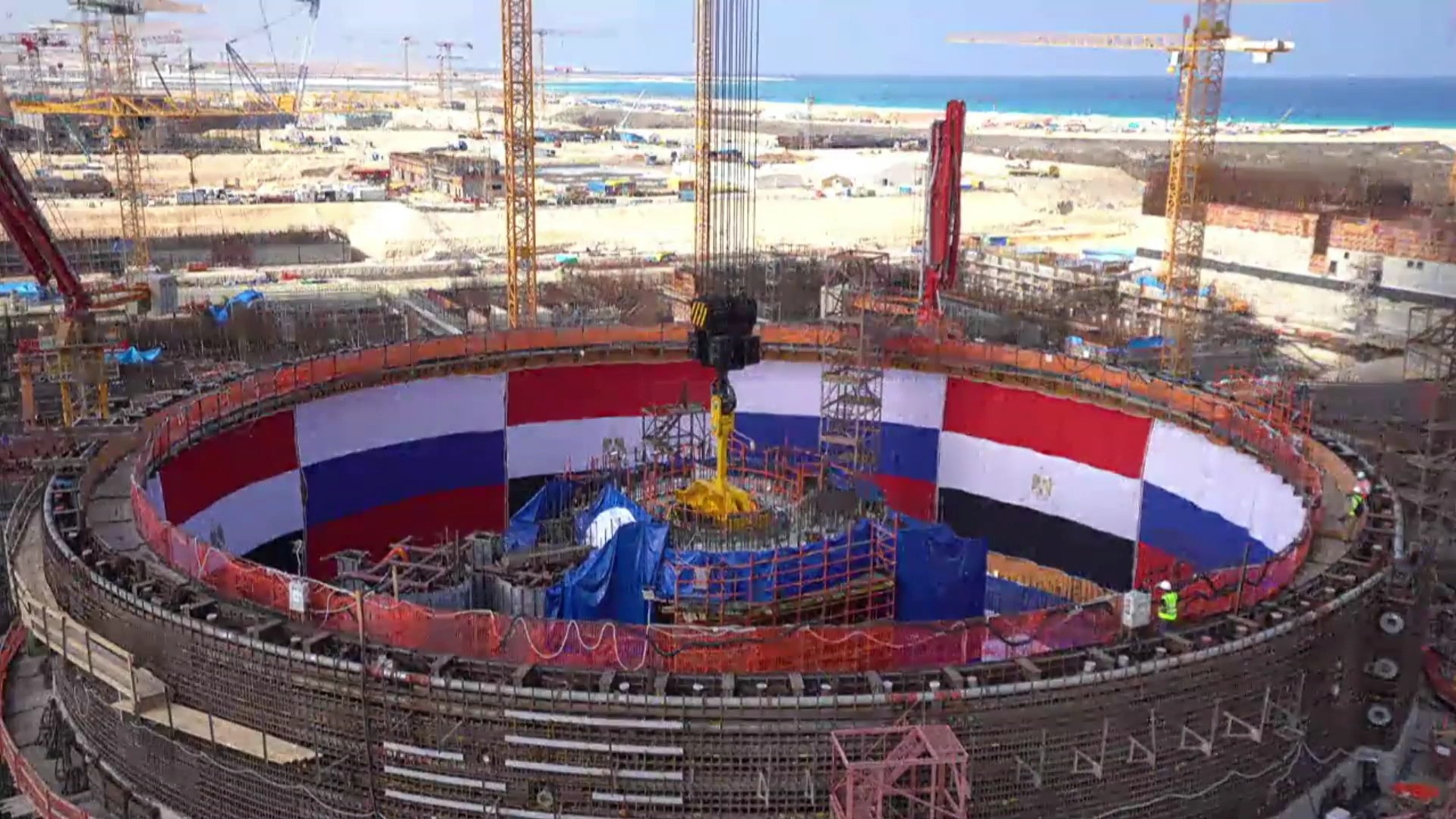
Just days after Egyptian nuclear authorities reportedly accused Rosatom of construction defects, poor management and vi...
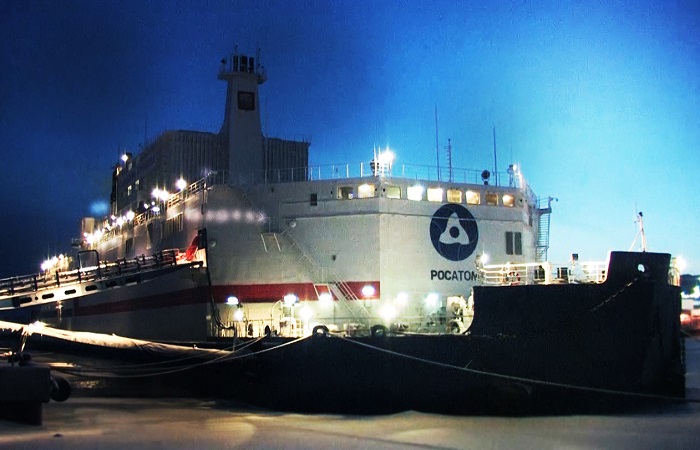
For years, the Akademik Lomonosov looked like one of the nuclear industry’s more eccentric experiments: two reactors mounted on a barge and tow...