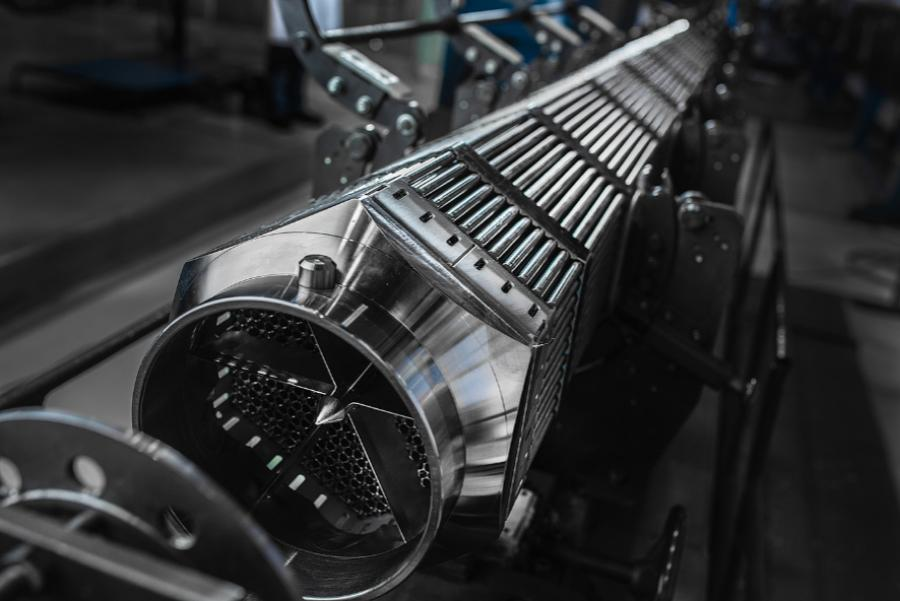
Germany wants independence from Russian nuclear fuel, using Rosatom as a bridge
Europe’s effort to break its dependence on Russian nuclear fuel has a paradox in Germany: making Russian-designed fuel without buying it from Russia ...
News

Publish date: March 28, 2003
Written by: Sondre Grinna
Translated by: Hanne Bakke
News
– Just as much as we want to give you an introduction to our way of thinking, we want input and objections from you, and to establish a dialogue, said Frederic Hauge in his opening-lecture. The workshop was held in the EU-Parliament last Thursday, and was arranged by Bellona and Member of Parliament Claude Turmes.
Hauge got his wish granted. After Bellona presented their working-theory on how to supply sufficient amounts of clean hydrogen to the transport sector in the coming decades, it was time for discussion. With participants from four directorates in the Commission, three different political parties in the European Parliament and three NGOs, the working theory was debated from various angles. The participants were particularly concerned about the CO2s ability to storage over time, and if CO2-storage would delay the introduction of new renewable energy sources. Many participants were of the opinion that biomass was a hydrogen-source that should be studied more closely.
Content participants
A large number of the participants expressed that they were very pleased with the arrangement. One representative from the Commission said Bellona is an organisation with thorough knowledge on hydrogen. He had previously noticed Bellonas work in the process with the EUs sixth frame program of science.
Bellona EU-expert Paal Frisvold was also pleased after the workshop. Usually this is rivalry between different political partys interests and national interests. It is also a struggle between the different EU-institutions. We made an arena where different institutions could debate issues in an informal atmosphere before the political positioning becomes too strong. This workshop gave them an opportunity to ask questions in a neutral setting, and enabled them to speak open-mindedly and freely.
In his closing-lecture Frederic Hauge thanked for all the contributions to the debate. Several of the questions asked Bellona will take home and study further. Hauge said it is important to gather in such meetings and freely discuss ideas. In this way one contributes to find roads that can take us all the way to a cleaner environment.
Europe’s effort to break its dependence on Russian nuclear fuel has a paradox in Germany: making Russian-designed fuel without buying it from Russia ...
Nearly four and a half years after Russia’s full-scale invasion of Ukraine, July offered fresh evidence of how difficult it remains to disentangle Ru...
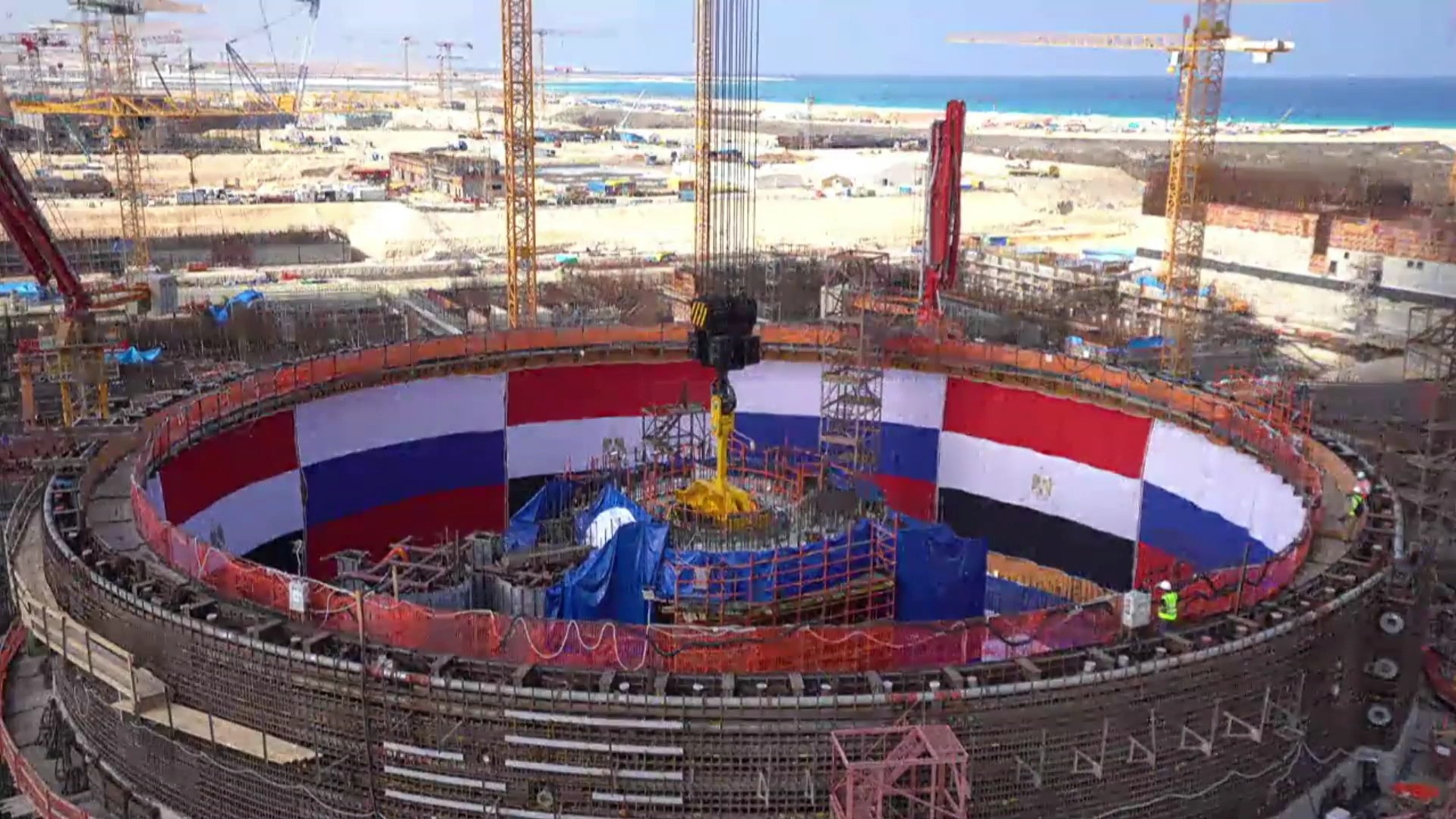
Just days after Egyptian nuclear authorities reportedly accused Rosatom of construction defects, poor management and vi...
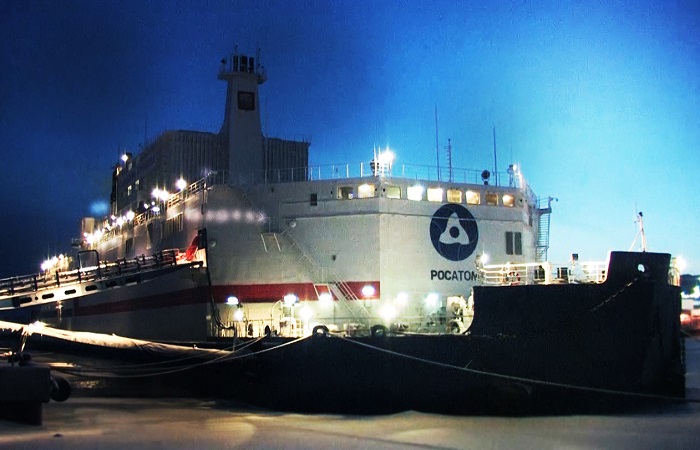
For years, the Akademik Lomonosov looked like one of the nuclear industry’s more eccentric experiments: two reactors mounted on a barge and tow...