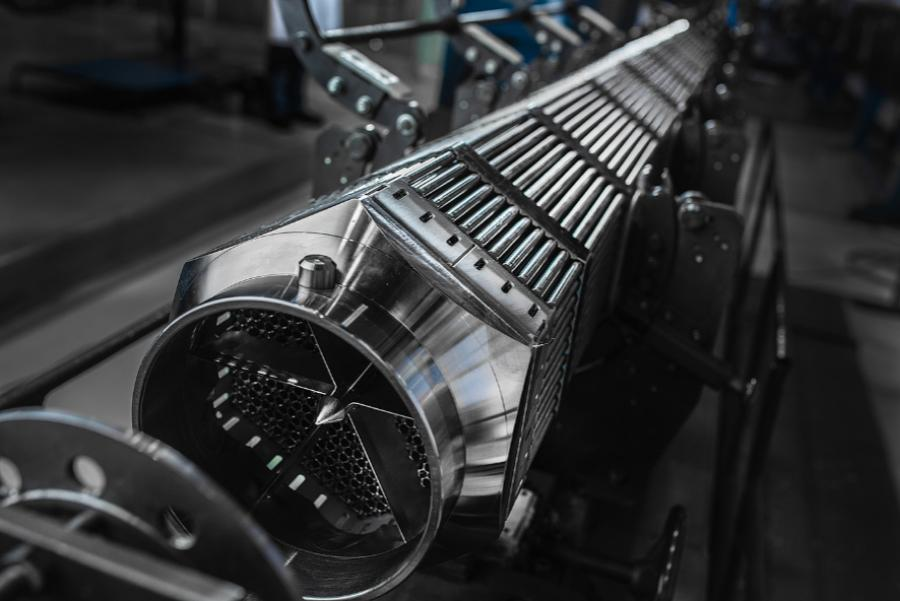
Germany wants independence from Russian nuclear fuel, using Rosatom as a bridge
Europe’s effort to break its dependence on Russian nuclear fuel has a paradox in Germany: making Russian-designed fuel without buying it from Russia ...
News
Publish date: October 17, 1997
Written by: Igor Kudrik
News
On May 21 the special train for shipment of spent nuclear fuel finally arrived at Severodvinsk. The train was scheduled to arrive at April 2, but was delayed due to technical malfunctions. This was the only shipment of spent nuclear fuel from the region performed in 1997.
In the end of September there was a special meeting of Severodvinsk city council, aimed at defining milestones in solving the problem with spent fuel shipments. The situation has not changed at all since the last shipment operation: The two service vessels assisting at subs defuelling operations and loading of spent fuel into the train are still unservicable. The PM-124 (pr. 326M), which entered service 37 years ago, has to be decommissioned; while the second vessel, the PM-63 (pr. 2020), will be granted permission to perform defuelling operations only after overhaul repairs. These repairs will cost almost 7 million USD. The money is not available, although promised by the state.
Meanwhile, more than 30 reactor cores are concentrated in Severodvinsk, inside the reactors of laid-up submarines awaiting their turn to be decommissioned.
A similar situation has developed at the ice-breaker base Atomflot in Murmansk – the second loading point for spent nuclear fuel from Northern Fleet vessels and the civilian nuclear-powered ice-breakers of Murmansk Shipping Company (MSC). Atomflot has the necessary facilities to perform the operations, but the delayed funding hampers the process. The special train is scheduled to arrive here by October-November, but the nuclear safety department of MSC has little faith in this schedule.
The whole situation is aggravated by the fact that since March 1997 Mayak reprocessing plant has been deprived of its licence to reprocess spent fuel by the Russian State Nuclear Safety Inspection (GAN). Neither GAN’s nor Mayak’s officials are willing to suggest when the reprocessing activities may be resumed.
As for now, according to the Naval experts, there must be at least 10 spent fuel shipments a year from the region to stabilise the situation.
Europe’s effort to break its dependence on Russian nuclear fuel has a paradox in Germany: making Russian-designed fuel without buying it from Russia ...
Nearly four and a half years after Russia’s full-scale invasion of Ukraine, July offered fresh evidence of how difficult it remains to disentangle Ru...
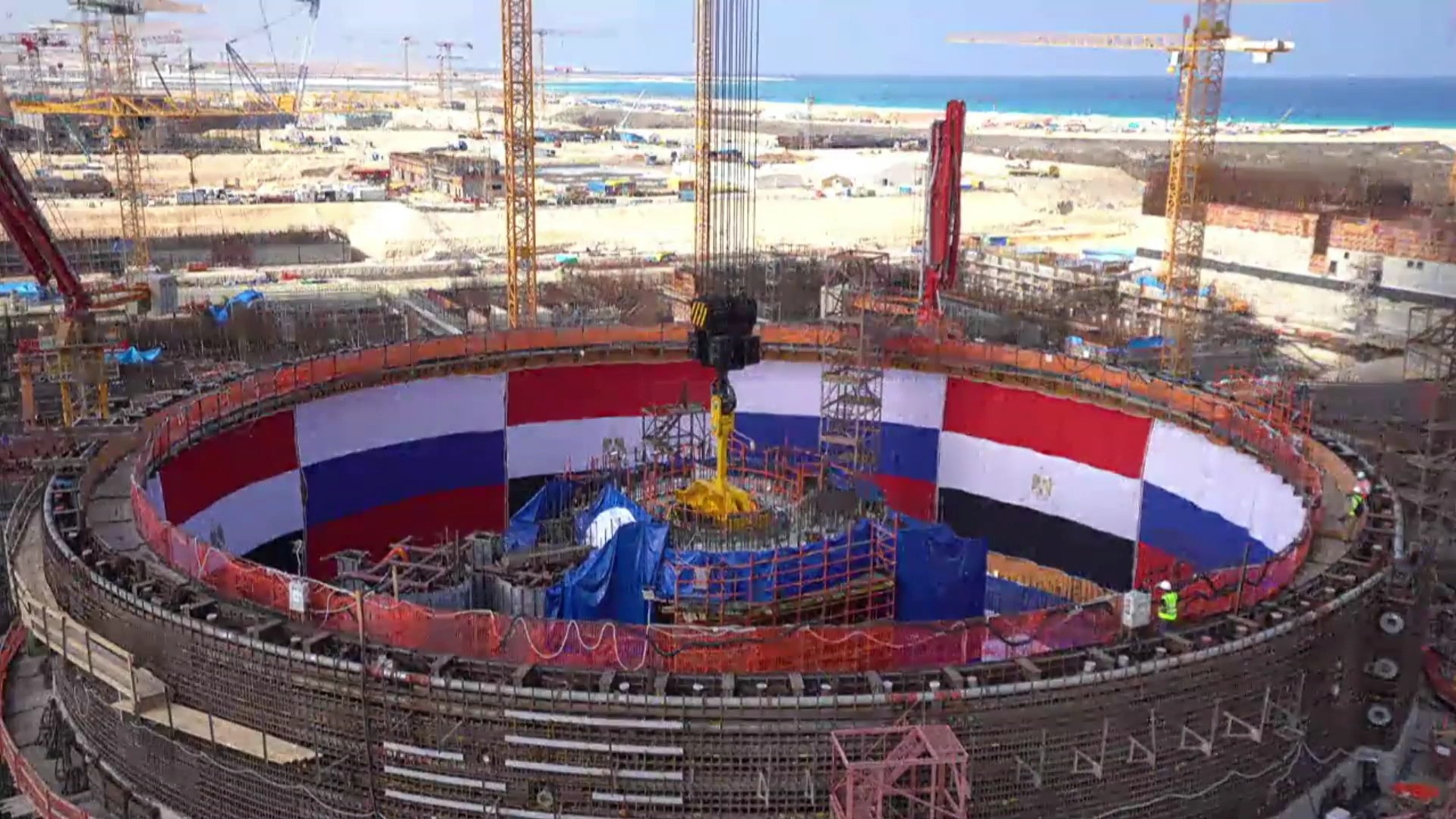
Just days after Egyptian nuclear authorities reportedly accused Rosatom of construction defects, poor management and vi...
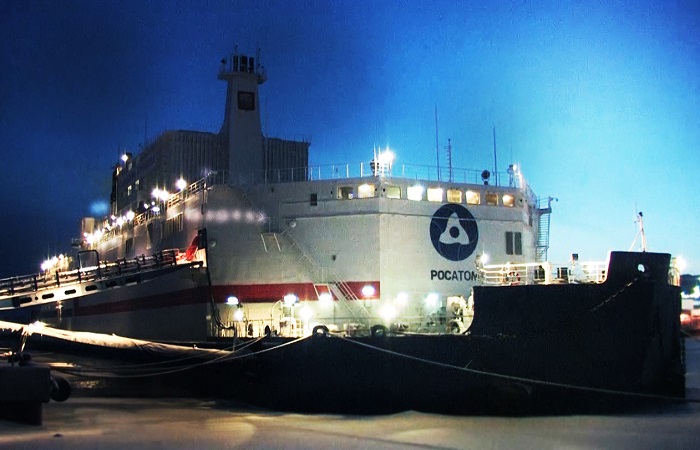
For years, the Akademik Lomonosov looked like one of the nuclear industry’s more eccentric experiments: two reactors mounted on a barge and tow...