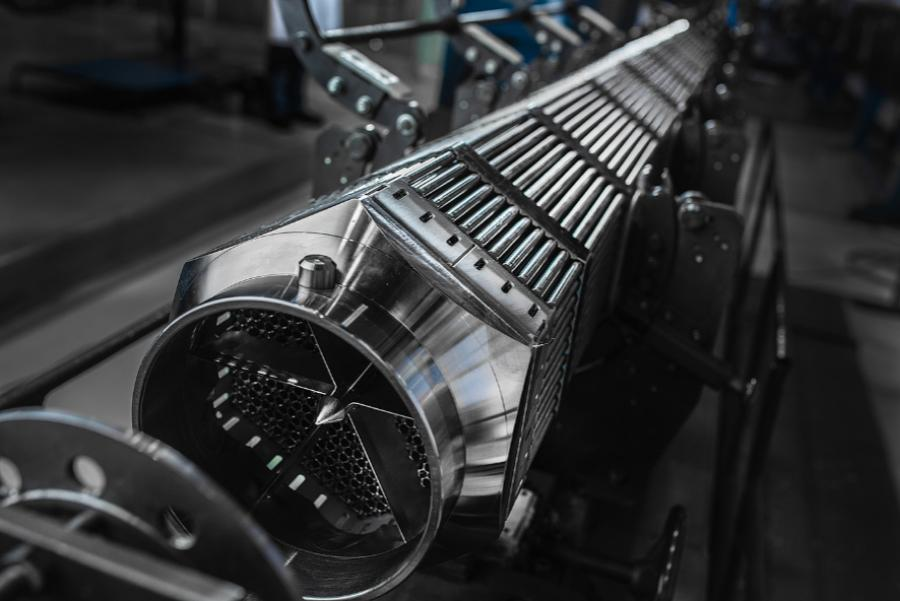
Germany wants independence from Russian nuclear fuel, using Rosatom as a bridge
Europe’s effort to break its dependence on Russian nuclear fuel has a paradox in Germany: making Russian-designed fuel without buying it from Russia ...
News
Publish date: December 21, 2005
News
The missile hit a target at the Kura firing range on the Kamchatka Peninsula, the Russian Navys Captain Igor Dygalo told Ekho Moskvy radio. This was the first underwater launch of a Bulava missile and the second launch conducted as part of a series of tests of the missile, he said.
The Dmitry Donskoy, a Typhoon class ballistic missile submarine, carried out the first test surface launch of a Bulava missile from a point in the White Sea on Sept. 27, 2005. The Bulava (SS-NX-30) is the submarine-launched version of Russia’s most advanced missile, the Topol-M (SS-27) solid fuel ICBM.
The seaborne strategic missile system Bulava can carry at least 10 independently targetable nuclear warheads. Its effective radius is at least 8,000 kilometers.
Bulava was designed to arm advanced nuclear submarines (project 955; Borey type). Two of them are currently constructed at the North Dvina Engineering Works. "We are fairly certain that the Bulava missile system, and a new submarine to be equipped with it, will be deployed by our navy in 2008," the Russian defense minister Sergei Ivanov said.
Europe’s effort to break its dependence on Russian nuclear fuel has a paradox in Germany: making Russian-designed fuel without buying it from Russia ...
Nearly four and a half years after Russia’s full-scale invasion of Ukraine, July offered fresh evidence of how difficult it remains to disentangle Ru...
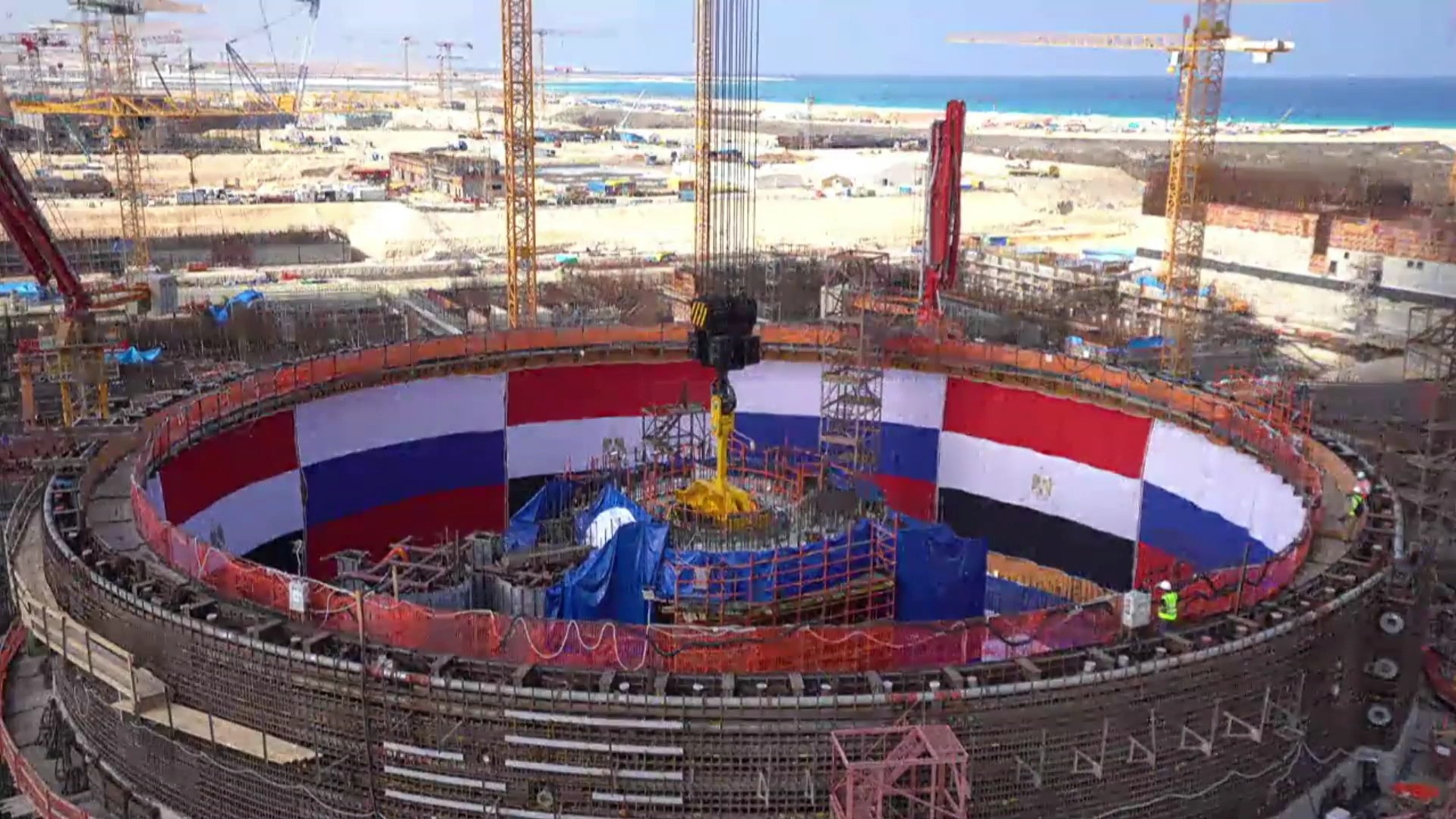
Just days after Egyptian nuclear authorities reportedly accused Rosatom of construction defects, poor management and vi...
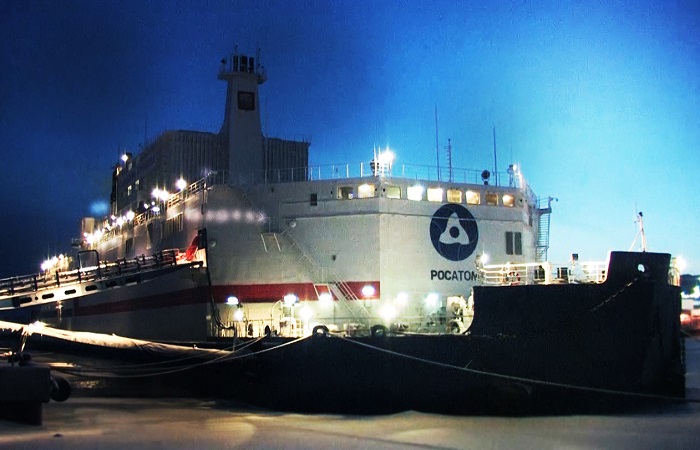
For years, the Akademik Lomonosov looked like one of the nuclear industry’s more eccentric experiments: two reactors mounted on a barge and tow...