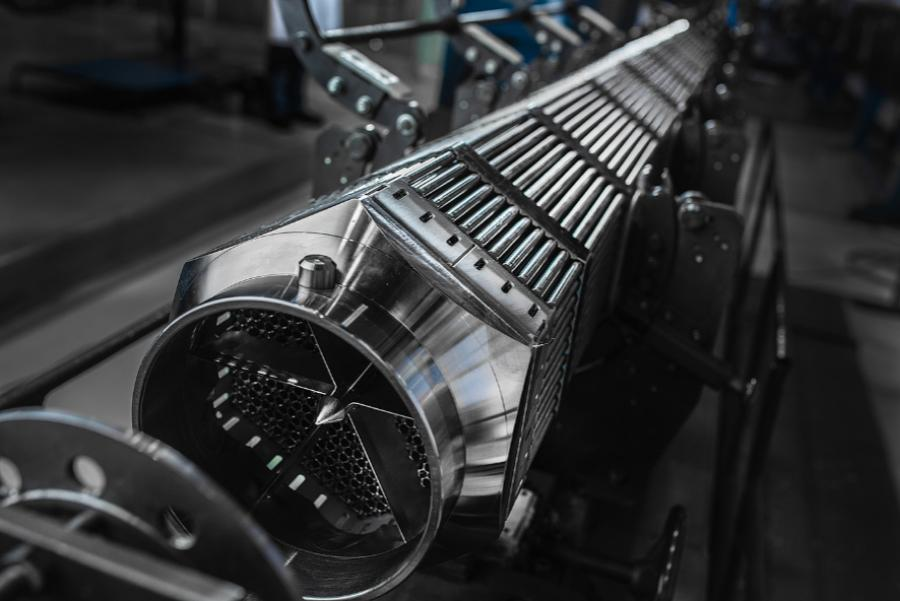
Germany wants independence from Russian nuclear fuel, using Rosatom as a bridge
Europe’s effort to break its dependence on Russian nuclear fuel has a paradox in Germany: making Russian-designed fuel without buying it from Russia ...
News
Publish date: June 23, 1997
Written by: Igor Kudrik
News
On June 17, at 10:50 Moscow time, malfunctioning research equipment led to strong emissions of neutron rays at a laboratory in Arzamas-16 (Sarov), Nizhny Novgorod county. The researcher who was in the room at the time of the accident, received some 200 Rem and was brought to Hospital no. 6 in Moscow.
Contradictory to Minatom statements to the effect that there is a cure available for people exposed to such high doses of radiation, the researcher died on June 20. He was unconscious a the time of death.
Currently, a committee established by Minatom is trying to unravel the reasons to and consequences of the accident in Arzamas-16, where an "incomplete" chain reaction occurred; probably as a result of malfunctioning research equipment. The commission is having difficulties when trying to penetrate to the room where the accident happened, reports RIA News.
According to Minatom officials, there were no discharge of radiation to the environment.
Europe’s effort to break its dependence on Russian nuclear fuel has a paradox in Germany: making Russian-designed fuel without buying it from Russia ...
Nearly four and a half years after Russia’s full-scale invasion of Ukraine, July offered fresh evidence of how difficult it remains to disentangle Ru...
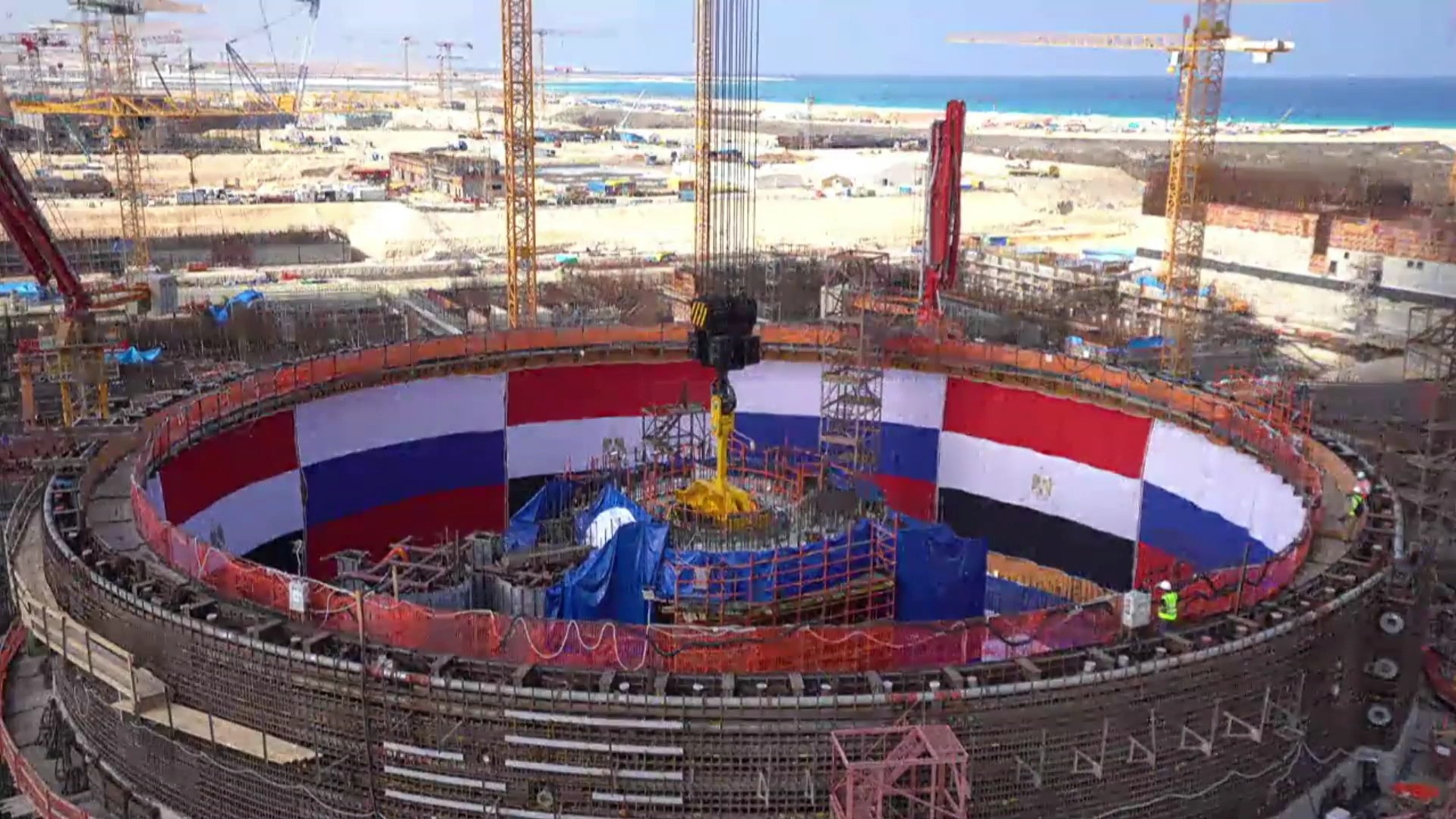
Just days after Egyptian nuclear authorities reportedly accused Rosatom of construction defects, poor management and vi...
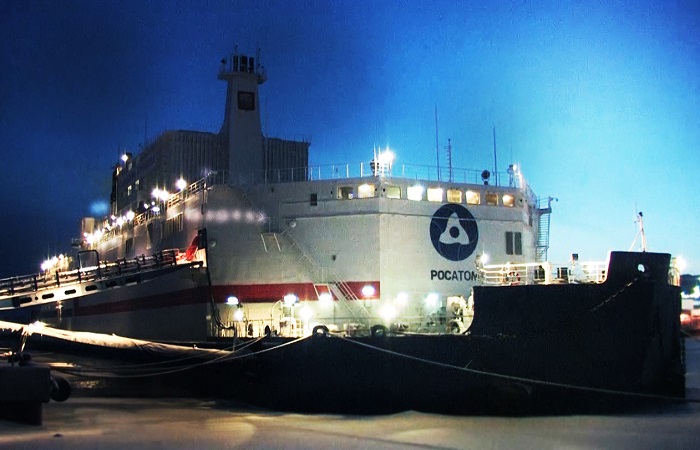
For years, the Akademik Lomonosov looked like one of the nuclear industry’s more eccentric experiments: two reactors mounted on a barge and tow...