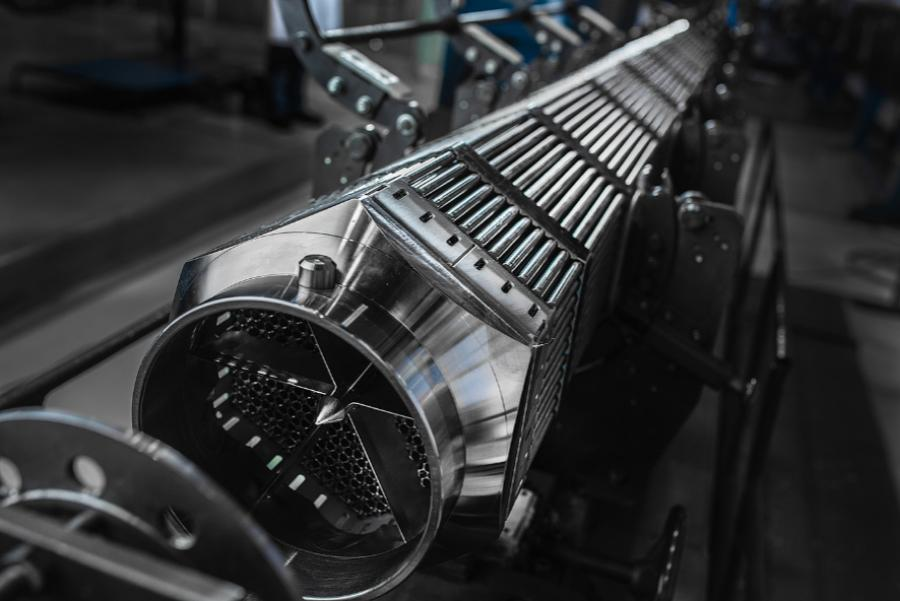
Germany wants independence from Russian nuclear fuel, using Rosatom as a bridge
Europe’s effort to break its dependence on Russian nuclear fuel has a paradox in Germany: making Russian-designed fuel without buying it from Russia ...
News
Publish date: May 21, 1997
Written by: Igor Kudrik
News
According to the Russian State Nuclear Inspection (Gosatomnadzor), the chain reaction was stopped by using liquid neutron absorbers. By the end of this operation the exposure was reduced to 0,07 mSv/hour. No discharge of radioactivity into the environment was detected, and no workers were exposed to high doses of radiation, reports a Gosatomnadzor official. The reasons to the incident are not identified yet.
Novosibirsk Zavod Khimkonsentratov joint stock company was established in 1949 to produce fuel elements for 13 plutonium production reactors located in Chelyabinsk-65, Tomsk-7 and Krasnoyarsk-26. It also used highly enriched uranium recovered from the plutonium reactor fuel to make cores for tritium production reactors. It later used fuel pellets from Kazakhstan to produce fuel pins and assemblies for various reactors, but specialised in fuel for research reactors and VVER-1000s. Today the plant produces the fuel pellets for these assemblies. Apparently the tank which suffered the incident contained highly enriched uranium for fabrication of fuel for research reactors, with an enrichmentlevel of up to 26%.
Europe’s effort to break its dependence on Russian nuclear fuel has a paradox in Germany: making Russian-designed fuel without buying it from Russia ...
Nearly four and a half years after Russia’s full-scale invasion of Ukraine, July offered fresh evidence of how difficult it remains to disentangle Ru...
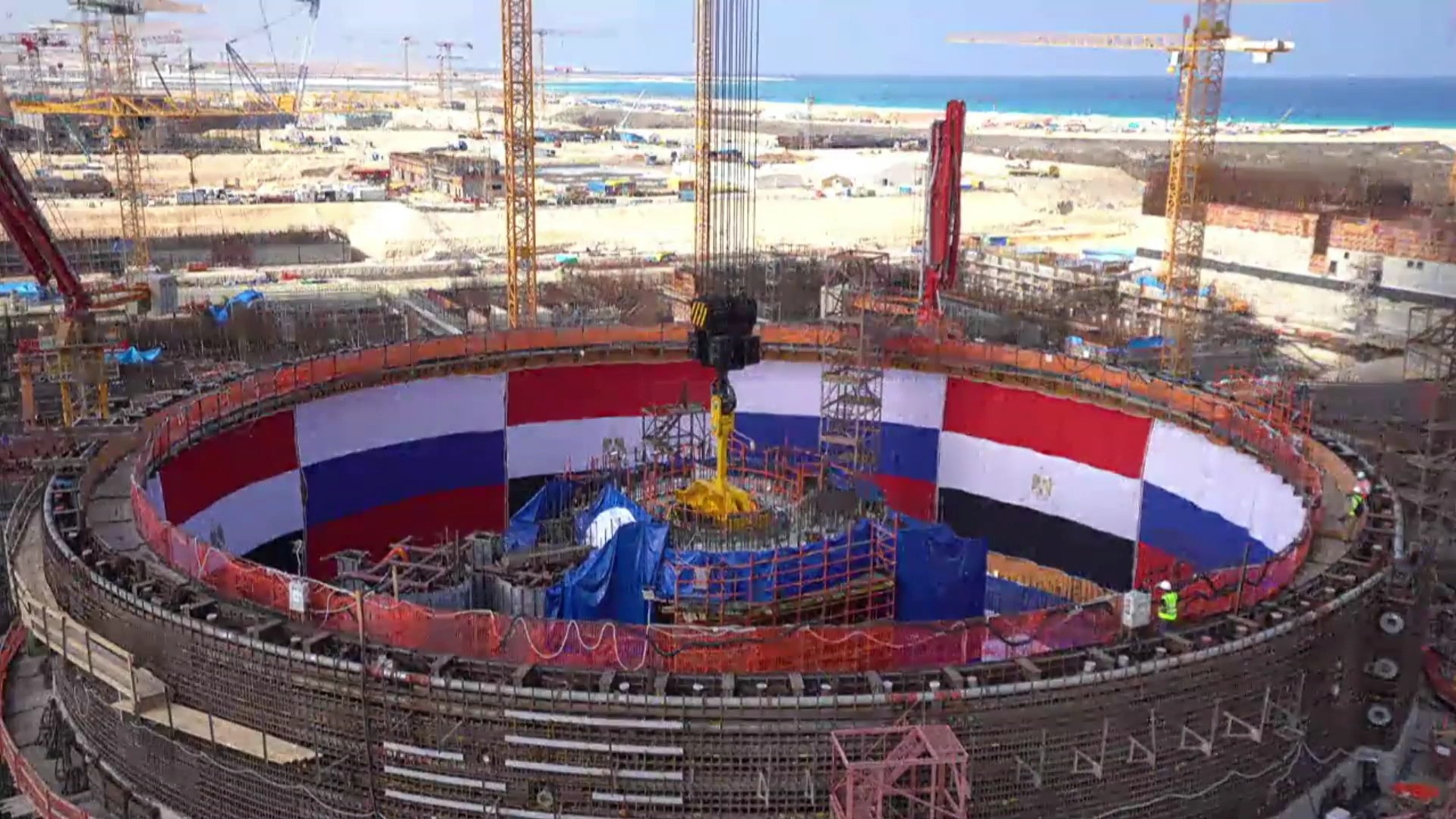
Just days after Egyptian nuclear authorities reportedly accused Rosatom of construction defects, poor management and vi...
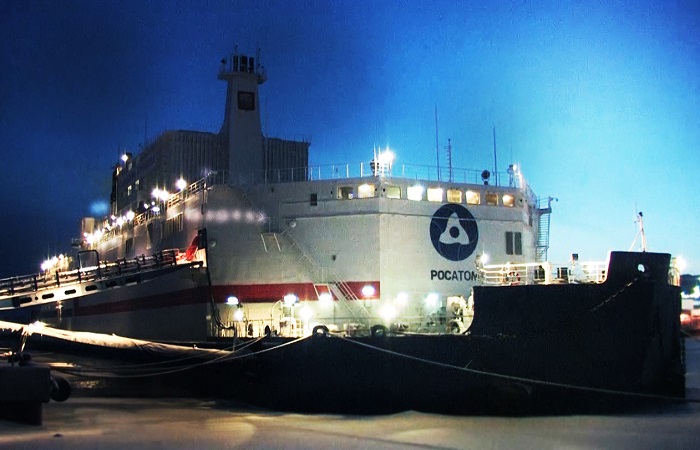
For years, the Akademik Lomonosov looked like one of the nuclear industry’s more eccentric experiments: two reactors mounted on a barge and tow...