Ukraine Pushes Ahead, the West Sends Mixed Signals, and China Draws Closer: Rosatom’s Uneasy Month
Even as the war grinds on, Ukraine continues to expand its civilian nuclear ambitions. Britain has tightened sanctions on Russia’s nuclear sect...
News
Publish date: January 27, 2006
News
On January 20, Sergei Kirienko told President Vladimir Putin that the agency was planning to build 40 nuclear power units before 2030, raising the share of electricity generated by nuclear plants from the current 16% to 25%. In the same period, Kirienko plans to build another 40 to 60 units abroad. “The key goal here is, of course, to restore the entire technological cycle, because the nuclear industry of the Soviet Union was scattered throughout the republics,” said Kirienko, who has already discussed his plans with Central Asian and Ukrainian officials.
Adopted in 2002, Russia’s energy strategy stipulates that nuclear plants will be generating between 18% and 23% of electricity by 2020. According to a Chamber of Accounts estimate published January 20, the industry’s own resources will not be enough to meet the targets of even the current strategy.
As estimated by Andrei Zubkov, vice-president of Trust Bank, the 40 units will cost approximately $50-60 billion to build and “obviously the bulk of this money should come from the budget”. He described the construction of the nuclear power plants as well justified and as meeting “the existing world trends in view of rising prices and the shortage of hydrocarbons”. The banker said that “after a 20-year interval, the U.S. will soon issue the first licenses for new NPPs”.
But Vladimir Milov, president of the Energy Policy Institute, does not consider Kirienkos plans rational. In his view, Russia has enough NPPs and their proportion of electricity generated in European Russia is already 50%. “Raising the percentage of nuclear power plants will create problems for power management and scheduling, since the NPPs keep delivering constant power all the time and are not as flexible as turbine plants,” Milov said. “France, for example, has to export nuclear power to the UK for free at night”, reported RIA-Novosti.
Even as the war grinds on, Ukraine continues to expand its civilian nuclear ambitions. Britain has tightened sanctions on Russia’s nuclear sect...
As the European Union tightens sanctions on Moscow, Russia’s Arctic energy exports continue to find buyers—and increasingly rely on opaque and potent...
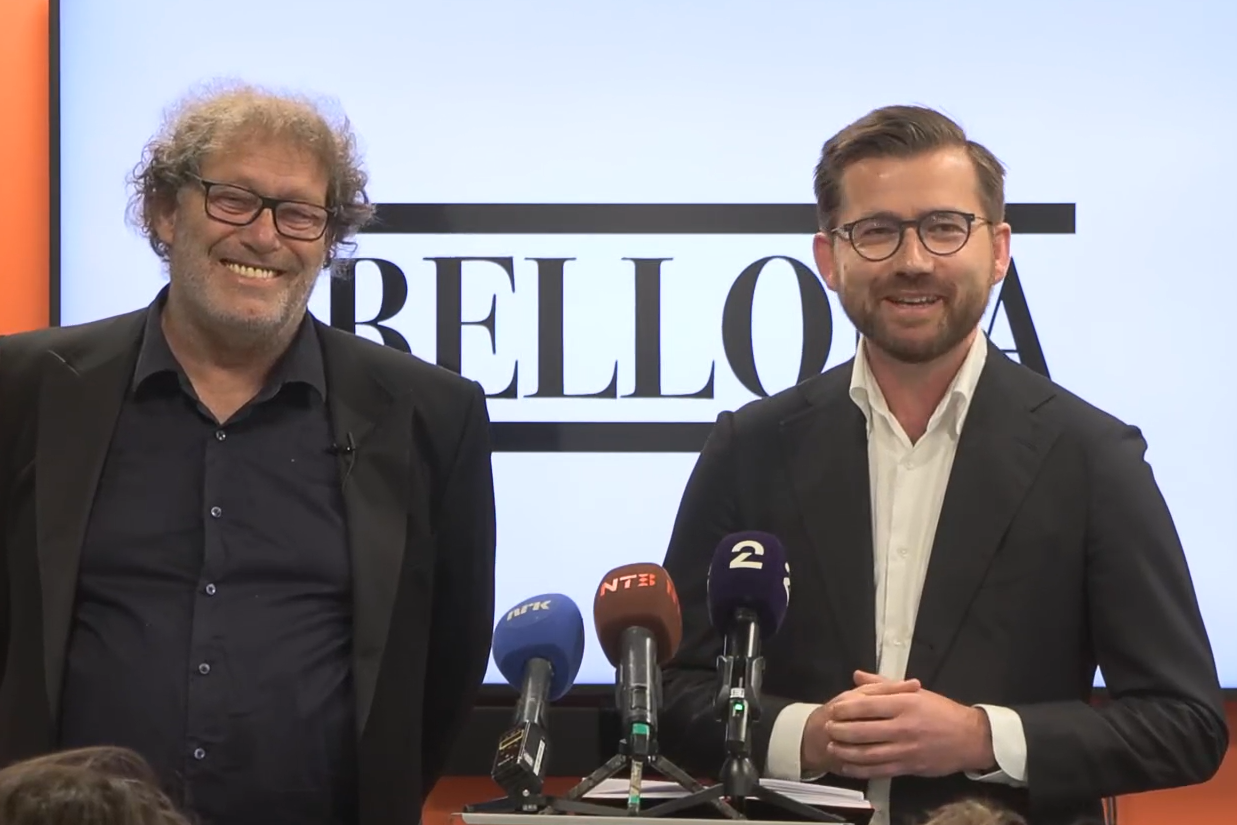
A fundraising campaign launched by the Bellona Foundation has succeeded in securing the organization’s future and averting bankruptcy. ̶...
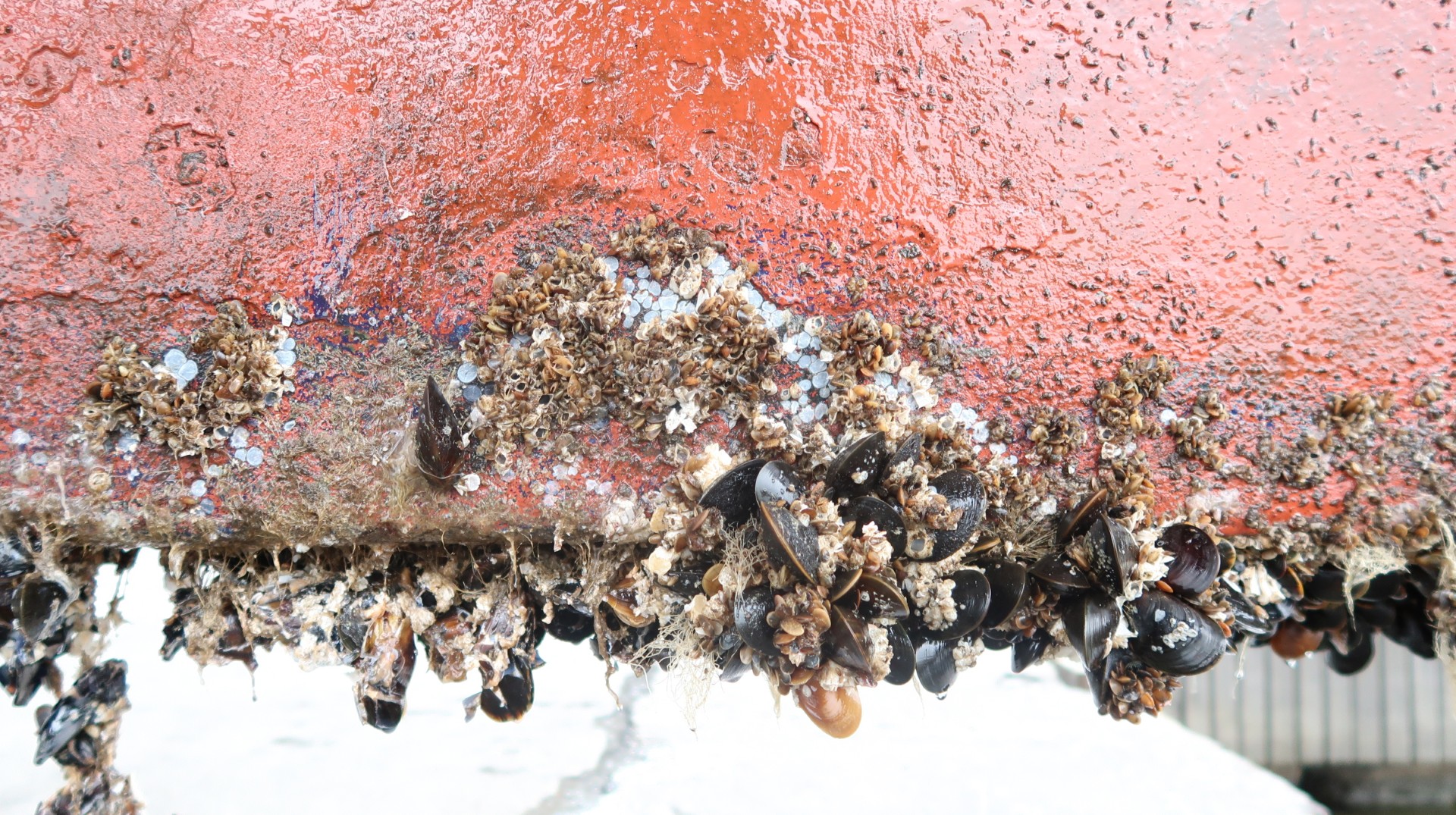
The shipping industry has a harmful secret—hiding just beneath the waterline. Barnacles, algae and microbial slime covering ship hulls may seem like ...