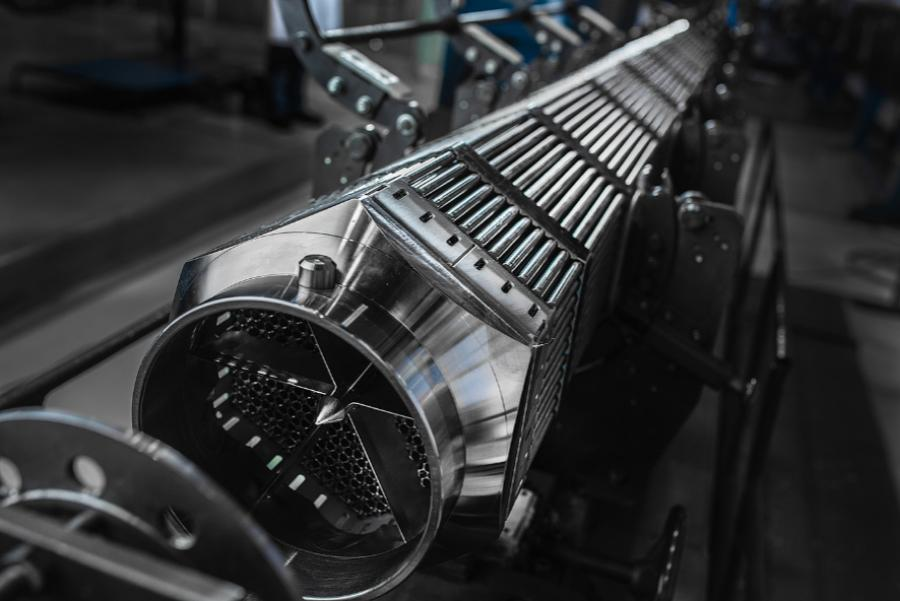
Germany wants independence from Russian nuclear fuel, using Rosatom as a bridge
Europe’s effort to break its dependence on Russian nuclear fuel has a paradox in Germany: making Russian-designed fuel without buying it from Russia ...
News
Publish date: September 29, 1999
Written by: Igor Kudrik
News
A crowd of Westerners and Russians were celebrating for another successive time completion of a liquid waste processing facility in Murmansk on September 28. The last event of similar nature took place in Murmansk in late 1998. The problem is that the facility is still not operative.
Established in 1994 as a trilateral program between the U.S., Norway and Russia, the aim of the project was to upgrade an existing liquid waste processing facility situated at nuclear powered icebreakers base, Atomflot, in Murmansk. The existing facility is capable of processing 1,200 cubic meters a year. When upgraded, the facility will have the capacity to take on 5,000 cubic meters of liquid radwaste annually. The project’s price tag is put at $3.5 million. The political goal behind the project was to have Russia sign the London Dumping Convention.
The processing is based on a sorbing technology. The sediments produced during processing will be put into concrete at a plant that is a part of the facility.
There have been numerous deadlines set for the facility completion the past few years. None of them were met. Tax exemption problems for the funds transferred to Russia, disagreements among the partners were named among the reasons.
Today, the Russian side says that the testing of the facility will start before the year 2000 when small portions of liquid waste with varying content will be processed. The full operation of the facility will hopefully start some time during 2000. No particular deadlines are set this time, said Murmansk Shipping Company officials who will operate the facility.
Once commissioned, the facility will be capable of processing all the liquid radwaste generated in Murmansk and Arkhangelsk Counties, both by the Northern Fleet’s nuclear warships and the nuclear powered icebreakers. The only problem that may come up is the inability of the Northern Fleet to pay for processing services since the facility will be operated by Murmansk Shipping Company on commercial basis.
Europe’s effort to break its dependence on Russian nuclear fuel has a paradox in Germany: making Russian-designed fuel without buying it from Russia ...
Nearly four and a half years after Russia’s full-scale invasion of Ukraine, July offered fresh evidence of how difficult it remains to disentangle Ru...
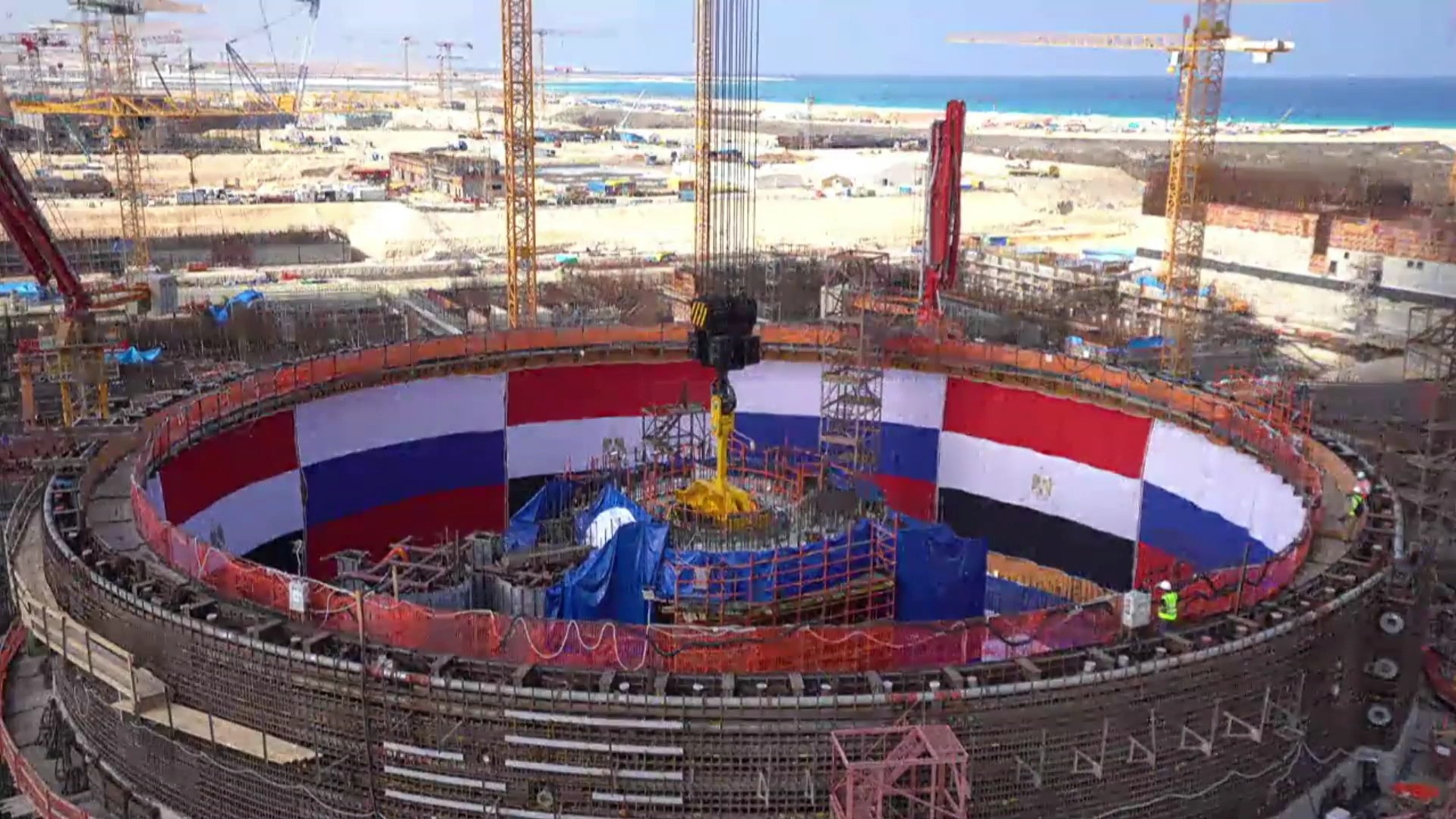
Just days after Egyptian nuclear authorities reportedly accused Rosatom of construction defects, poor management and vi...
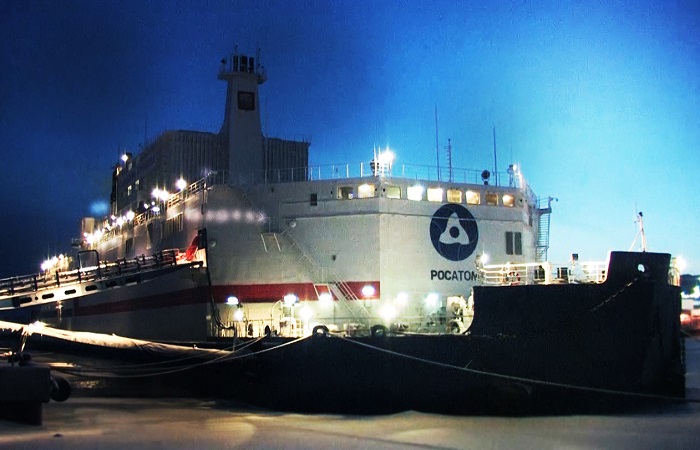
For years, the Akademik Lomonosov looked like one of the nuclear industry’s more eccentric experiments: two reactors mounted on a barge and tow...