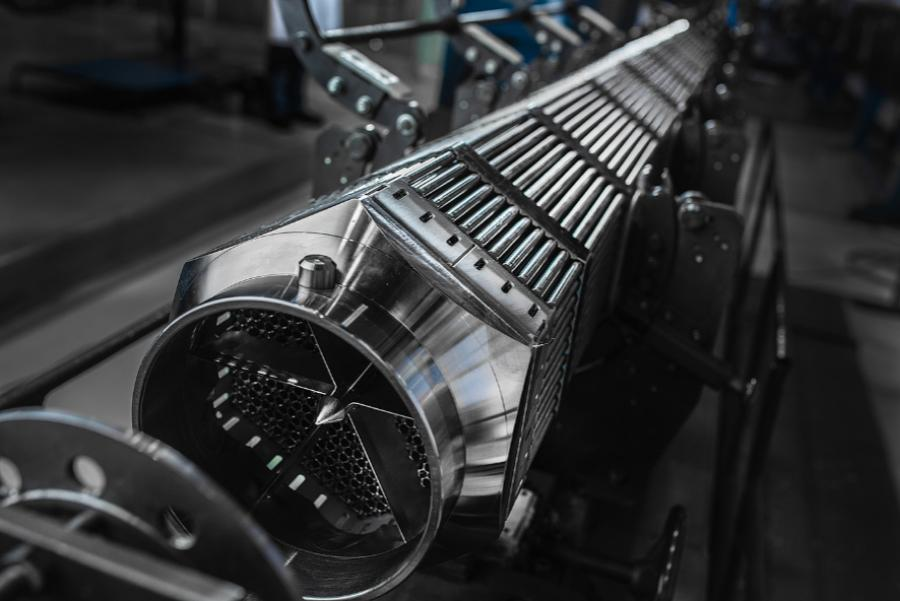
Germany wants independence from Russian nuclear fuel, using Rosatom as a bridge
Europe’s effort to break its dependence on Russian nuclear fuel has a paradox in Germany: making Russian-designed fuel without buying it from Russia ...
News
Publish date: September 22, 1999
Written by: Thomas Nilsen
News
The new system onboard the Malina class service vessel, PM-63, was installed as a part of the U.S.-Russian co-operation for nuclear material protection, control and accounting (MPC&A). The program was designed to prevent the proliferation of materials that can be used to create weapons of mass destruction. PM-63 has a capacity to store 1400 spent fuel assemblies, derived from submarine reactors. It has also room to accommodate two sets of fresh nuclear fuel (around 480 fuel assemblies).
PM-63 is the first of the three Malina class service vessels in the Russian Navy to receive MPC&A upgrades with technical assistance from the U.S. Department of Energy. The two others are PM-74, based in the Pacific fleet, and PM-12, stationed at Nerpa shipyard at the Kola Peninsula.
In the civilian sector, MPC&A have already installed the same physical protection equipment onboard the service vessel Imandra. The vessel holds fresh fuel for nuclear powered icebreakers that have their home base at Atomflot, outskirts of Murmansk.
Europe’s effort to break its dependence on Russian nuclear fuel has a paradox in Germany: making Russian-designed fuel without buying it from Russia ...
Nearly four and a half years after Russia’s full-scale invasion of Ukraine, July offered fresh evidence of how difficult it remains to disentangle Ru...
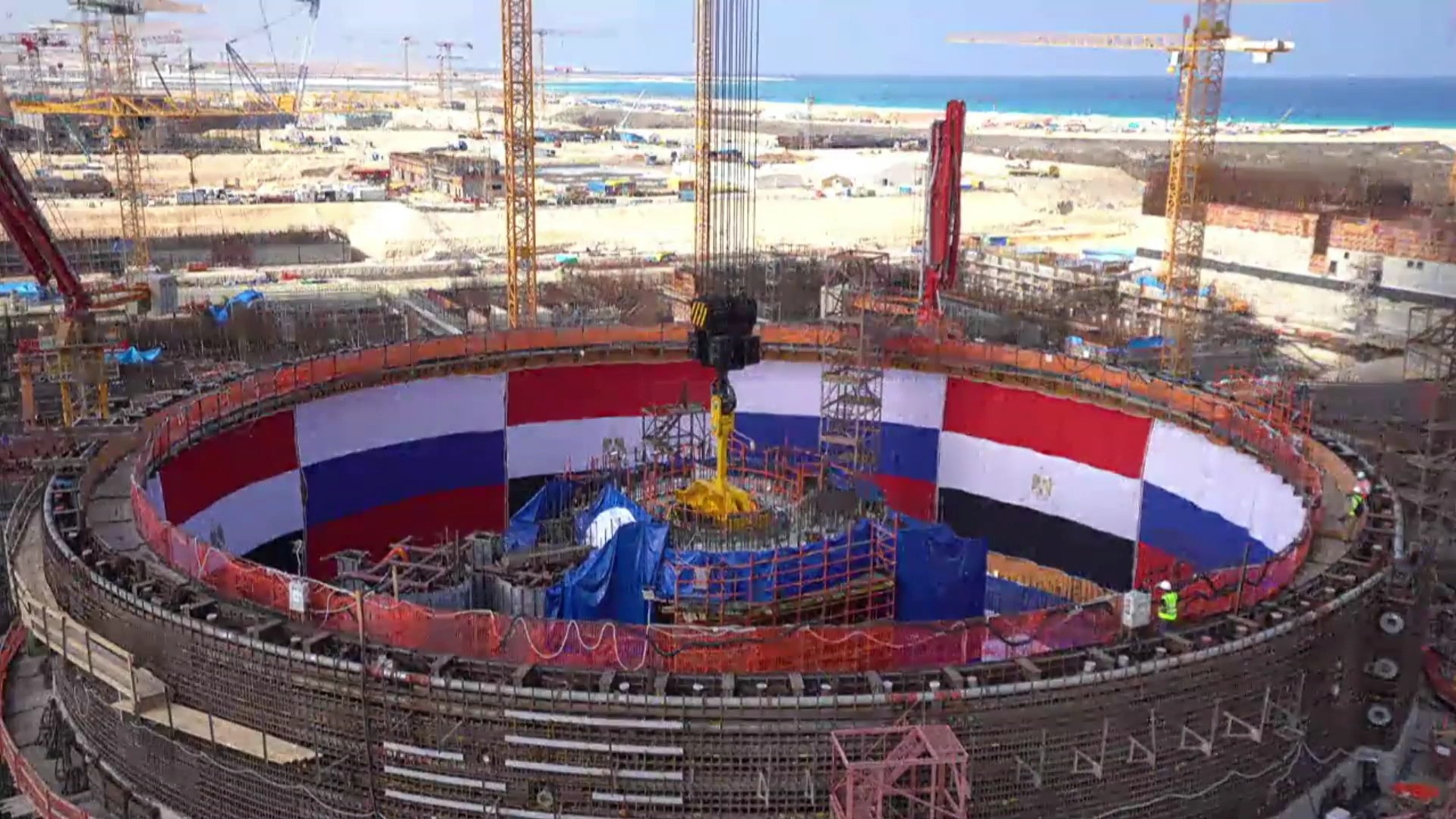
Just days after Egyptian nuclear authorities reportedly accused Rosatom of construction defects, poor management and vi...
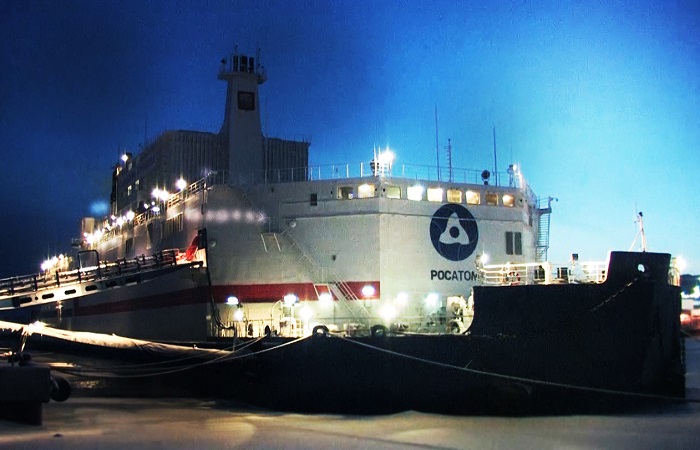
For years, the Akademik Lomonosov looked like one of the nuclear industry’s more eccentric experiments: two reactors mounted on a barge and tow...