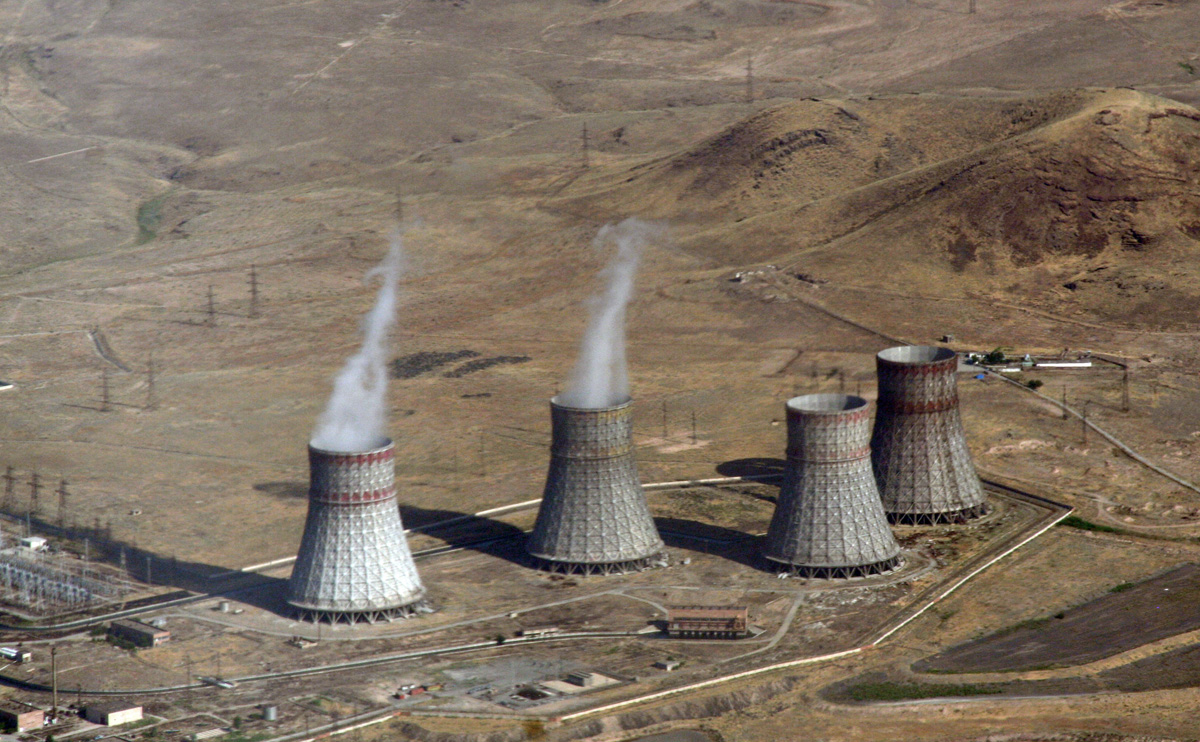
Armenia reconsiders nuclear future as Rosatom offers replacement for aging Soviet reactor
Armenia is reconsidering its plans for a new nuclear power plant after a fresh proposal from Russia’s state nuclear corporation Rosatom and a s...
News
Publish date: June 18, 1999
Written by: Igor Kudrik
News
The Co-operative Threat Reduction (CTR) umbrella agreement governing legal issues between the United States and Russia was renewed on 16 June. The old agreement expired at midnight the same day.
CTR was launched in 1991, when the U.S. Congress directed the Department of Defence to help secure former Soviet weapons of mass destruction. Since 1991, Congress has provided $2.3 billion to support CTR efforts. The program is also known as the Nunn-Lugar program. Since 1992, CTR developed a specific program for dismantling ballistic missile submarines (SSBN) required under START-1 arms reduction treaty.
With the Kosovo conflict, which put on hold all the official military contacts between Russia and the U.S., the Pentagon was anxious for a program shutdown. But despite heavy rhetoric between the two countries, CTR received seven-year extension.
CTR’s budget request for fiscal year 2000, starting October 1, 1999, is $460 million, up $20 million from fiscal year 1999.
Armenia is reconsidering its plans for a new nuclear power plant after a fresh proposal from Russia’s state nuclear corporation Rosatom and a s...

Russia’s state nuclear corporation Rosatom has taken full control of one of the country’s largest logistics companies, consolidating an expanding tra...
August brought signs of growing pressure on several fronts for Russia’s state nuclear corporation Rosatom, from questions surrounding major construct...
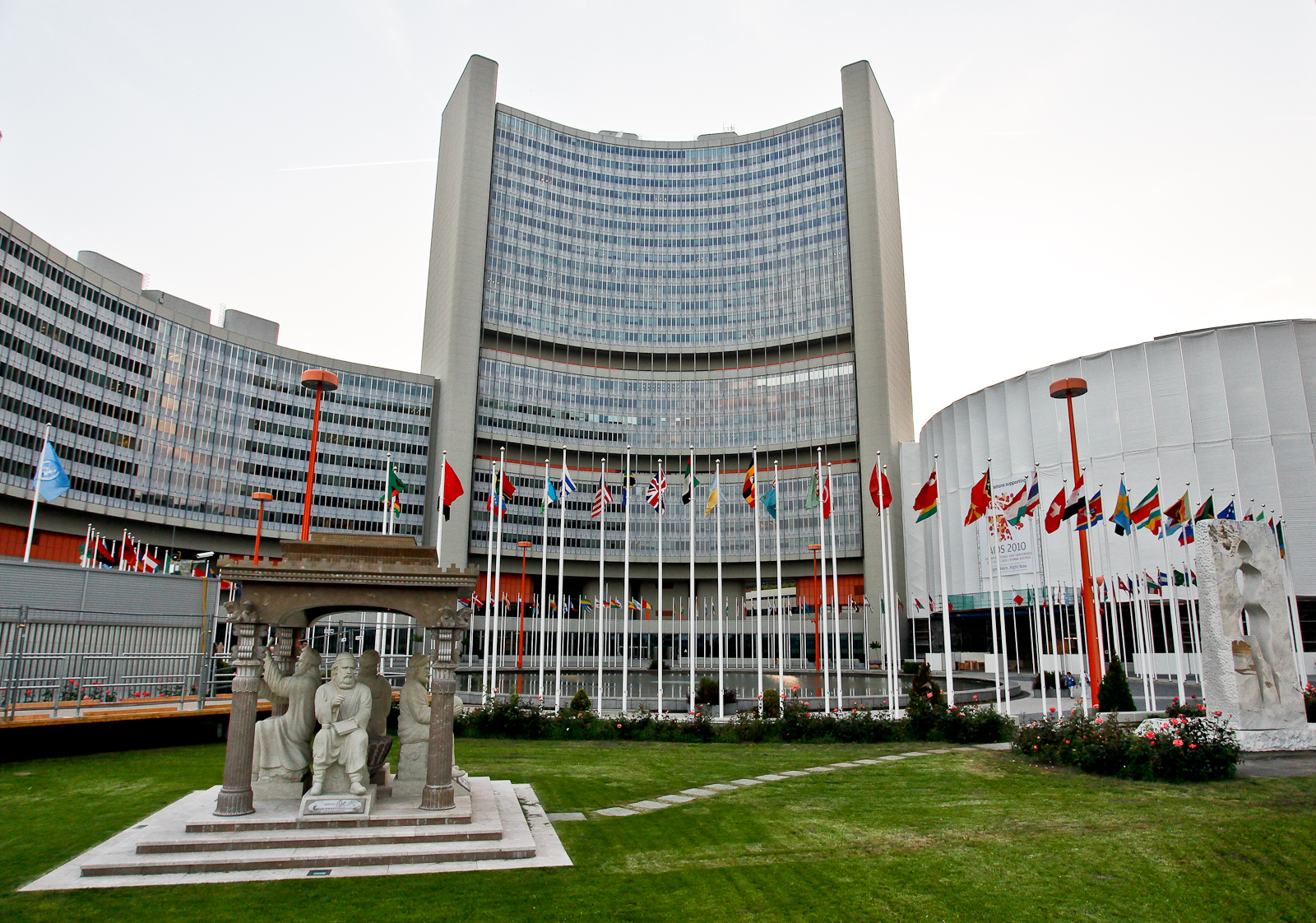
The International Atomic Energy Agency has suspended one of its most senior Russian officials — but for reasons largely unrelated to the questions ab...