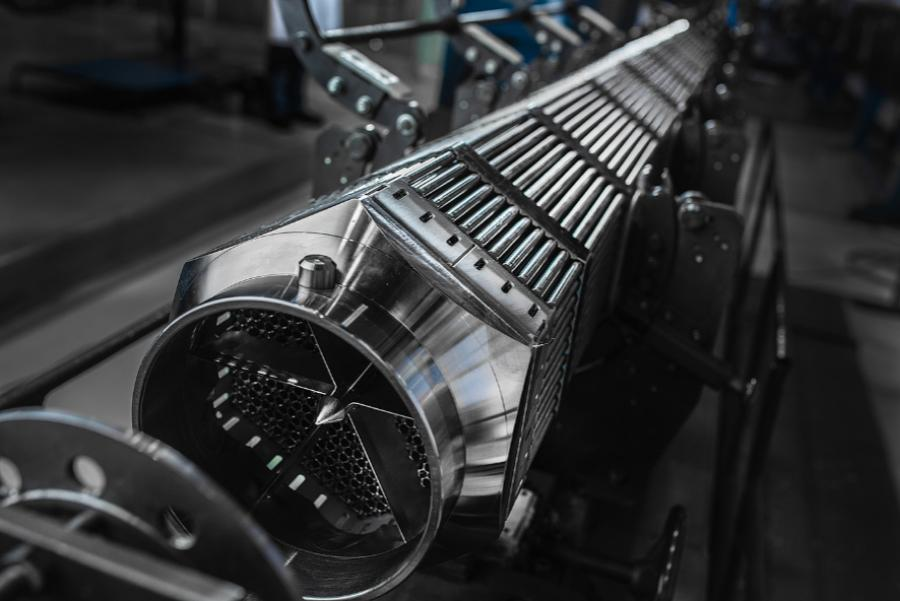
Germany wants independence from Russian nuclear fuel, using Rosatom as a bridge
Europe’s effort to break its dependence on Russian nuclear fuel has a paradox in Germany: making Russian-designed fuel without buying it from Russia ...
News
Publish date: November 22, 2004
News
In 2004 Murmansk region administration and the northernmost county in Norway Finnmark signed a contract stipulating decommissioning and shipment of 10 RTGs, Interfax reported. Norway allocated about $416 thousand for this project. It expected that all 10 RTGs will be placed at the Mayak plant by December 2005. Besides, Norway allocated $1.3m to install solar panels on 31 lighthouses. The plans for 2005 stipulate three projects involving decommissioning of 31 RTGs and installation of solar panels on 30 lighthouses. The total cost of the projects is $3m. Norwegian government plans to change all the RTGs with solar panels. The price of one solar panel is $35 thousand. The projects will be financed in the frames of the Multilateral Nuclear Environment Program for Russia, MNEPR.
RTGs are used from the end of 60s for supplying energy for the navigation beacons and seamarks in the inaccessible seaside regions. The generator transforms the heat energy of strontium-90 into the electricity for the lighthouse. The 90Sr isotope’s radioactive half-life is 29.1 years. At the time of their production, RHS-90 contains from 30 to 180 kilocuries of 90Sr. The level of gamma radiation reaches 400 to 800 roentgen per hour, or R/h, at a distance of 0.5 metres, and 100 to 200 R/h at a distance of one metre from the RHS-90. It takes no less than 900 to 1000 years before RHSs reach a safe radioactivity level.
153 RTGs are scattered along the shorelines of the Barents and White Seas, of which 17 are located in the Kandalaksha Gulf. 55 RTGs have been shipped for final disposal from Murmansk and Arkhangelsk region (36 from Murmansk region, 19 from Arkhangelsk region) thanks to the contract with Norwegian Finnmark county. At present 52 RTGs remain in Murmansk region, and 46 in Arkhangelsk region what includes Novaya Zemlya, Interfax reported.
Europe’s effort to break its dependence on Russian nuclear fuel has a paradox in Germany: making Russian-designed fuel without buying it from Russia ...
Nearly four and a half years after Russia’s full-scale invasion of Ukraine, July offered fresh evidence of how difficult it remains to disentangle Ru...
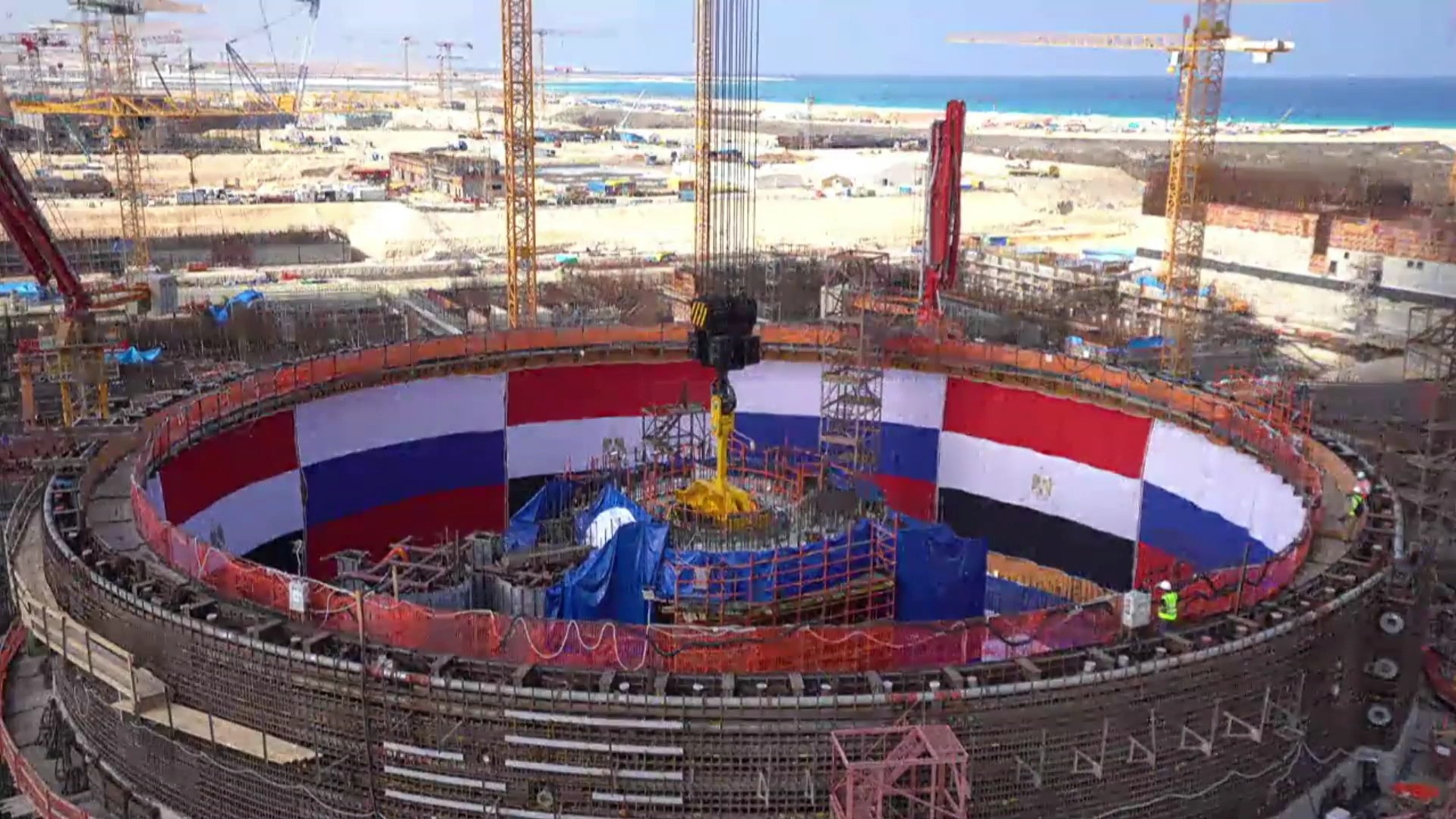
Just days after Egyptian nuclear authorities reportedly accused Rosatom of construction defects, poor management and vi...
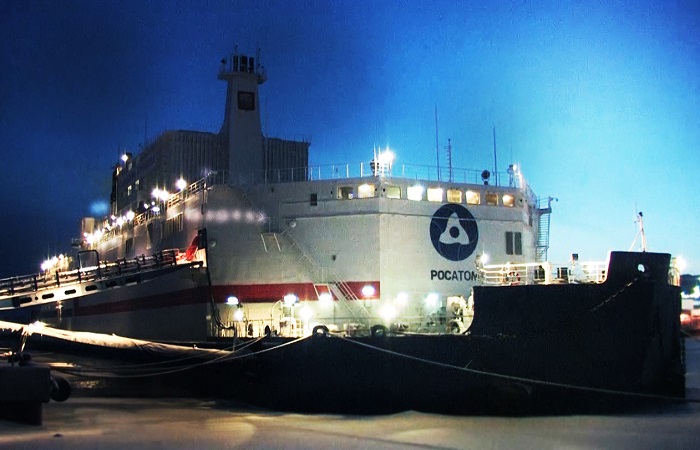
For years, the Akademik Lomonosov looked like one of the nuclear industry’s more eccentric experiments: two reactors mounted on a barge and tow...