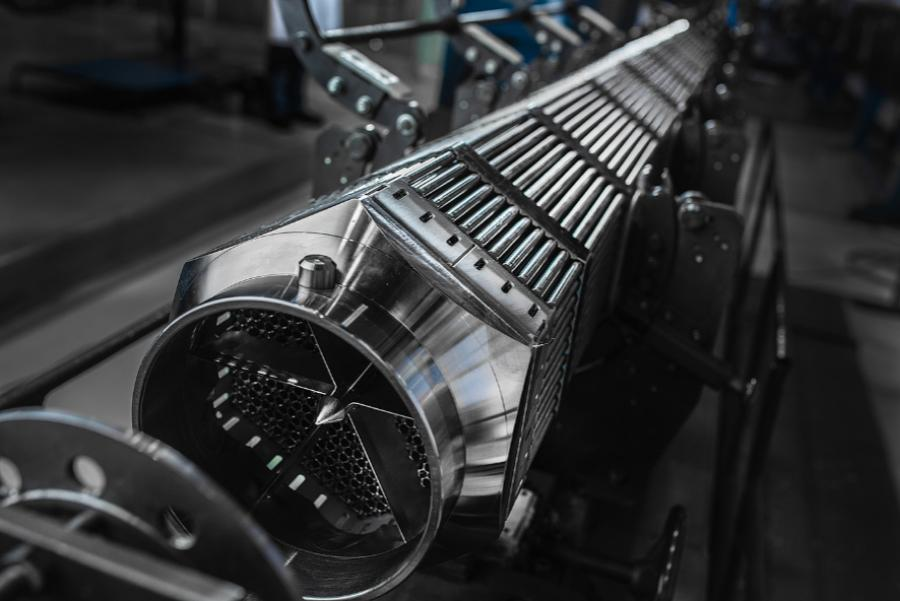
Germany wants independence from Russian nuclear fuel, using Rosatom as a bridge
Europe’s effort to break its dependence on Russian nuclear fuel has a paradox in Germany: making Russian-designed fuel without buying it from Russia ...
News
Publish date: March 30, 2005
News
The academician underlined that, according to the experts estimations, the need in primary energy will grow 60-70 percent more by 2030. He says that limited amount of hydrocarbon fuel makes countries active in developing alternative and hydrogen energy, ITAR TASS reported.
Mesyats notices, that efforts of our country are isolated, sometimes they are doubled, and financing is diffused. For example, three Russian Institutions (Russian Ministry of Education and Science, Russian Federal Agency of Nuclear Energy and Russian Research Centre Kurchatov Institute) have their corporate programs on hydrogen energy. On the other hand, the Russian Academy of Science and Norilsk Nikel Company signed three-year agreement on fuel cells and hydrogen energy development. Financial investment is 120 million dollars, from this account Norilsk Nikel has already allocated 30 million dollars this year. The expected result of scientists co-operation is pilot models of hydrogen power installations.
“Only systematic co-ordination of scientists efforts in the frames of the Russian national program, and its targeted financing, will help Russia to achieve good results in hi-tech and low-cost hydrogen energy development, Mesyats underlined.
Europe’s effort to break its dependence on Russian nuclear fuel has a paradox in Germany: making Russian-designed fuel without buying it from Russia ...
Nearly four and a half years after Russia’s full-scale invasion of Ukraine, July offered fresh evidence of how difficult it remains to disentangle Ru...
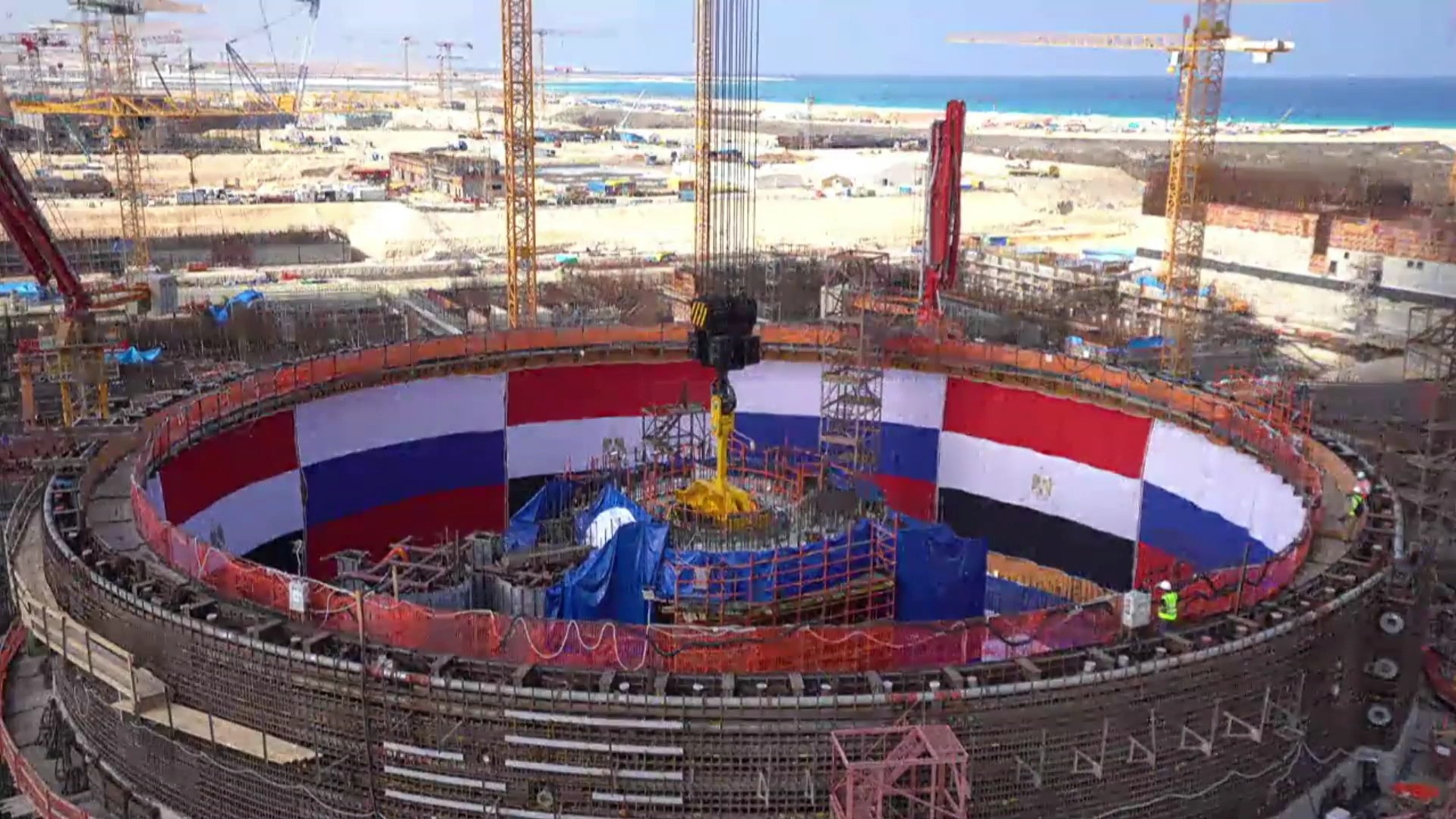
Just days after Egyptian nuclear authorities reportedly accused Rosatom of construction defects, poor management and vi...
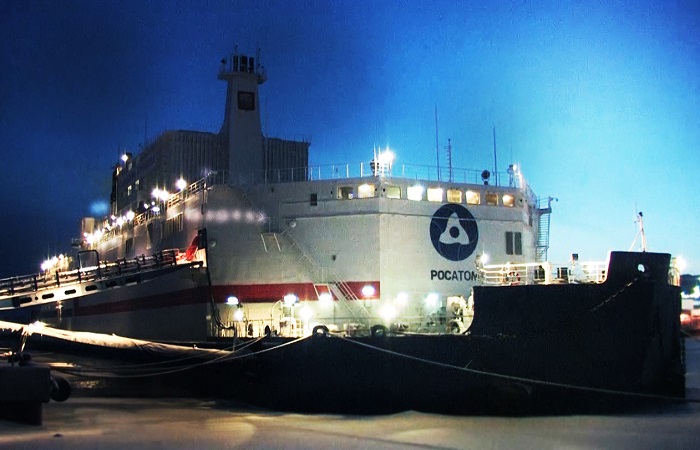
For years, the Akademik Lomonosov looked like one of the nuclear industry’s more eccentric experiments: two reactors mounted on a barge and tow...