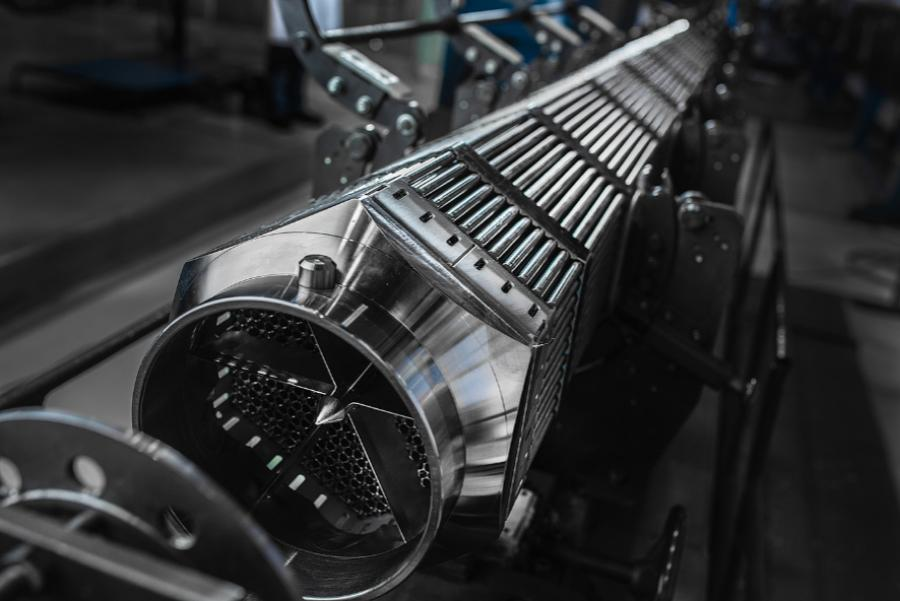
Germany wants independence from Russian nuclear fuel, using Rosatom as a bridge
Europe’s effort to break its dependence on Russian nuclear fuel has a paradox in Germany: making Russian-designed fuel without buying it from Russia ...
News
Publish date: February 23, 1999
Written by: William Stoichevski
News
Contrary to statements made by the Russian Atomic Energy Minister suggesting a nuclear technology deal with Canada was imminent, none was struck during recent talks in Ottawa, a Canadian Department of Foreign Affairs spokesman said.
The visit to Canada of Deputy Prime Minister, Gennady Kulik, was billed as a signing ceremony for trade deals and, less triumphantly, for the transfer of Canadian nuclear technology to Russia.
Expectations were created when Atomic Energy Minister, Yevgeny Adamov, offered journalists at a press conference this month what seemed like details of a reactor-building plan – a plan that awaited Canada’s approval. Teasing conference goers, Adamov described a building agreement where "70 per cent of the equipment could be manufactured in Russia," the Itar-Tass news agency reported. "The power plant will be built by Russians and Russian fuel would be used."
But Adamov’s statements now sound overly ambitious. Canadian Foreign Affairs spokesman, Chris Alexander, said Kulik and his hosts in Ottawa never discussed the transfer or purchase of nuclear technology at a high-level meeting they both attended. A Ministry of Natural Resources official confirmed his statement.
Itar-Tass reported on Feb.10, 1999, that Kulik was prepared to discuss the construction of a nuclear power plant in the Russian Far East. Kulik’s visit seemed to hold the key for Russian contractors to begin work on two Canadian-designed reactors for the Far Eastern district of Primorsky Krai.
Alexander said the parties were "far from an agreement." In an effort to explain Adamov’s enthusiastic comments of the past year, he said the prospect of a nuclear technology deal could only be "close to his (Adamov’s) heart." He added that discussions were "ongoing" with neither side ready to commit.
While Kulik was in Canada, Reuters reported that the Economic Development Corporation, the Canadian Government’s export financing body, could no longer offer credit to Russian banks due to a build up of arrears. Adamov told Itar-Tass in February that it might be possible to obtain credit from Canada. The lack of economic support for the venture now appears to have been what killed Adamov’s Canada-Russia reactor project.
Atomic Energy of Canada Limited, the Canadian corporation responsible for the development and sale of Canadian nuclear technology, failed to respond to questions concerning any deal or the likelihood of future reactor sales to Russia. The arm’s-length corporation has come under criticism in the past, both in the Canadian Parliament and press, for its sales practices.
In 1996, through the EDC – AECL’s enabling body – reactor sales to China appeared to be rushed, ahead of a required environmental assessment check. The Canadian Government and AECL were later criticised for choosing earthquake prone and belligerent Turkey in efforts to secure the sale of reactor technology.
Europe’s effort to break its dependence on Russian nuclear fuel has a paradox in Germany: making Russian-designed fuel without buying it from Russia ...
Nearly four and a half years after Russia’s full-scale invasion of Ukraine, July offered fresh evidence of how difficult it remains to disentangle Ru...
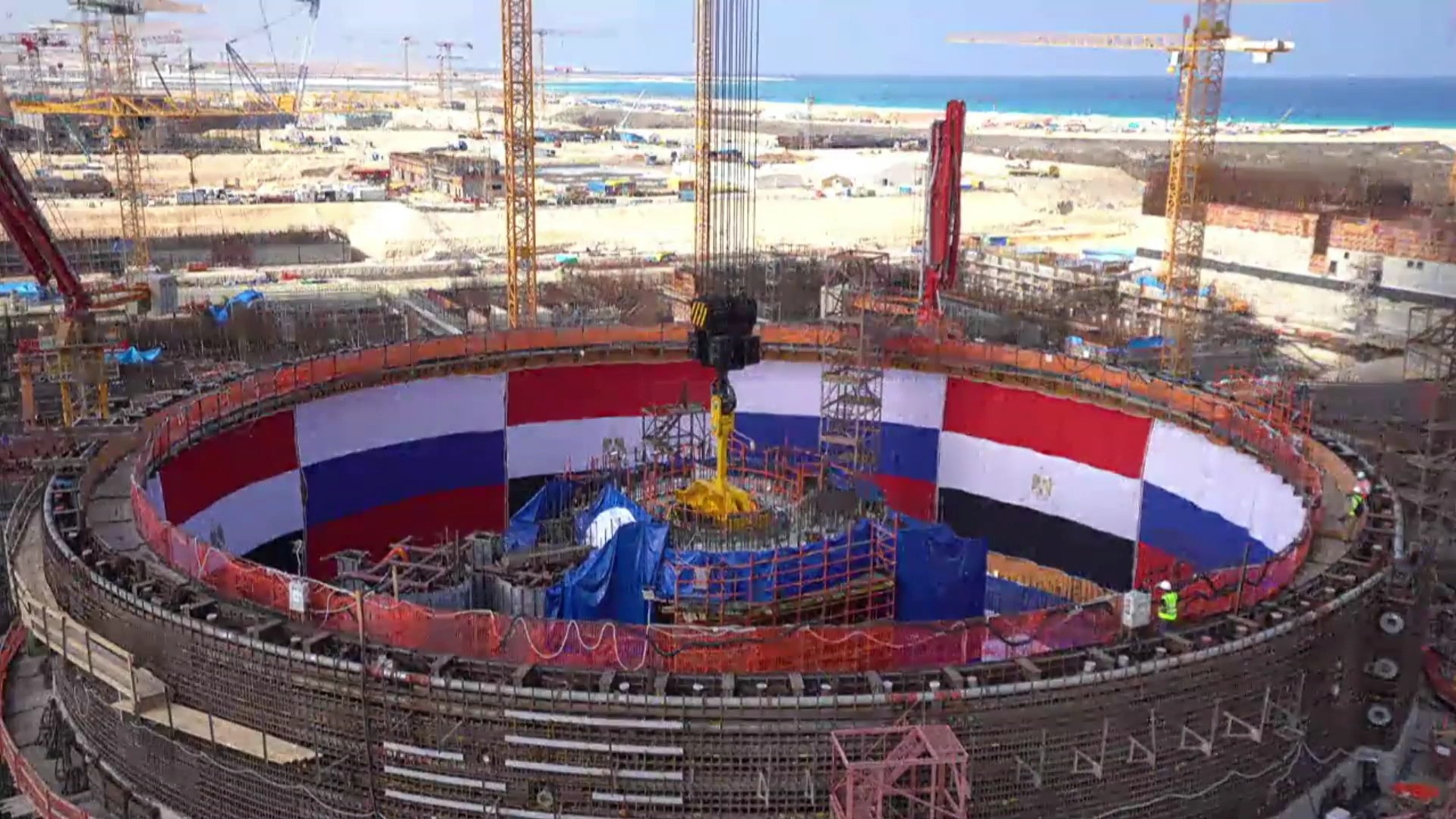
Just days after Egyptian nuclear authorities reportedly accused Rosatom of construction defects, poor management and vi...
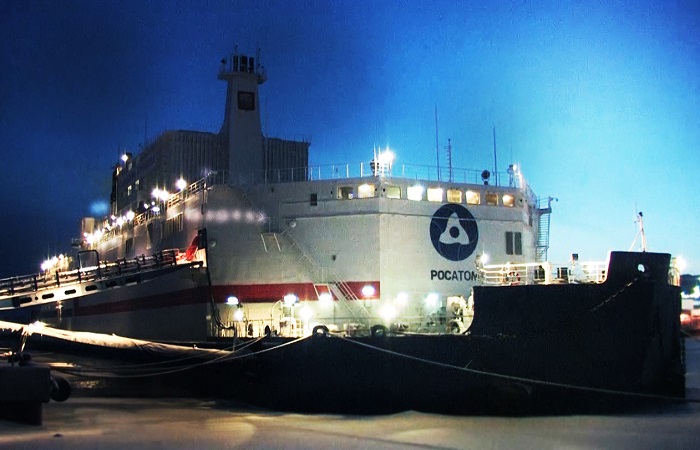
For years, the Akademik Lomonosov looked like one of the nuclear industry’s more eccentric experiments: two reactors mounted on a barge and tow...