Ukraine Pushes Ahead, the West Sends Mixed Signals, and China Draws Closer: Rosatom’s Uneasy Month
Even as the war grinds on, Ukraine continues to expand its civilian nuclear ambitions. Britain has tightened sanctions on Russia’s nuclear sect...
News
Publish date: May 9, 2005
News
The decision to close it has been taken under pressure from the West, said former Russian Atomic Energy Minister Yevgeny Adamov, who is in the Swiss prison now. He was addressing the sitting of the Ignalina commission in the Lithuanian parliament (Seim) on April 13, RIA-Novosti reported.
He said that both power units of the Ignalina plant are as safe as similar reactors of the same age in the West Europe and are designed for 45 years service life. The first unit of the Ignalina nuclear power plant, started up in 1983, has lifetime until 2029 and the second unit until 2031, Adamov said. He noted that all the investigation and design data shows that no grounds exist for closing the Ignalina facility and it is "a purely political decision".
Lithuania shut down the first Ignalina reactor (Chernobyl type) on December 31, 2004, and pledged to put the entire plant out of service by December 31, 2009. This was one of the principal conditions for Lithuania’s entering the European Union in May 2004. The government of Lithuania has estimated the Ignalina closure at three billion euros (including expenses on the social sector).
Last March Lithuanian Prime Minister Algirdas Brazauskas said that, "closure of the second power unit of the Ignalina plant by 2010 would be possible only if Lithuania joins the West European energy system".
Even as the war grinds on, Ukraine continues to expand its civilian nuclear ambitions. Britain has tightened sanctions on Russia’s nuclear sect...

As the European Union tightens sanctions on Moscow, Russia’s Arctic energy exports continue to find buyers—and increasingly rely on opaque and potent...

A fundraising campaign launched by the Bellona Foundation has succeeded in securing the organization’s future and averting bankruptcy. ̶...
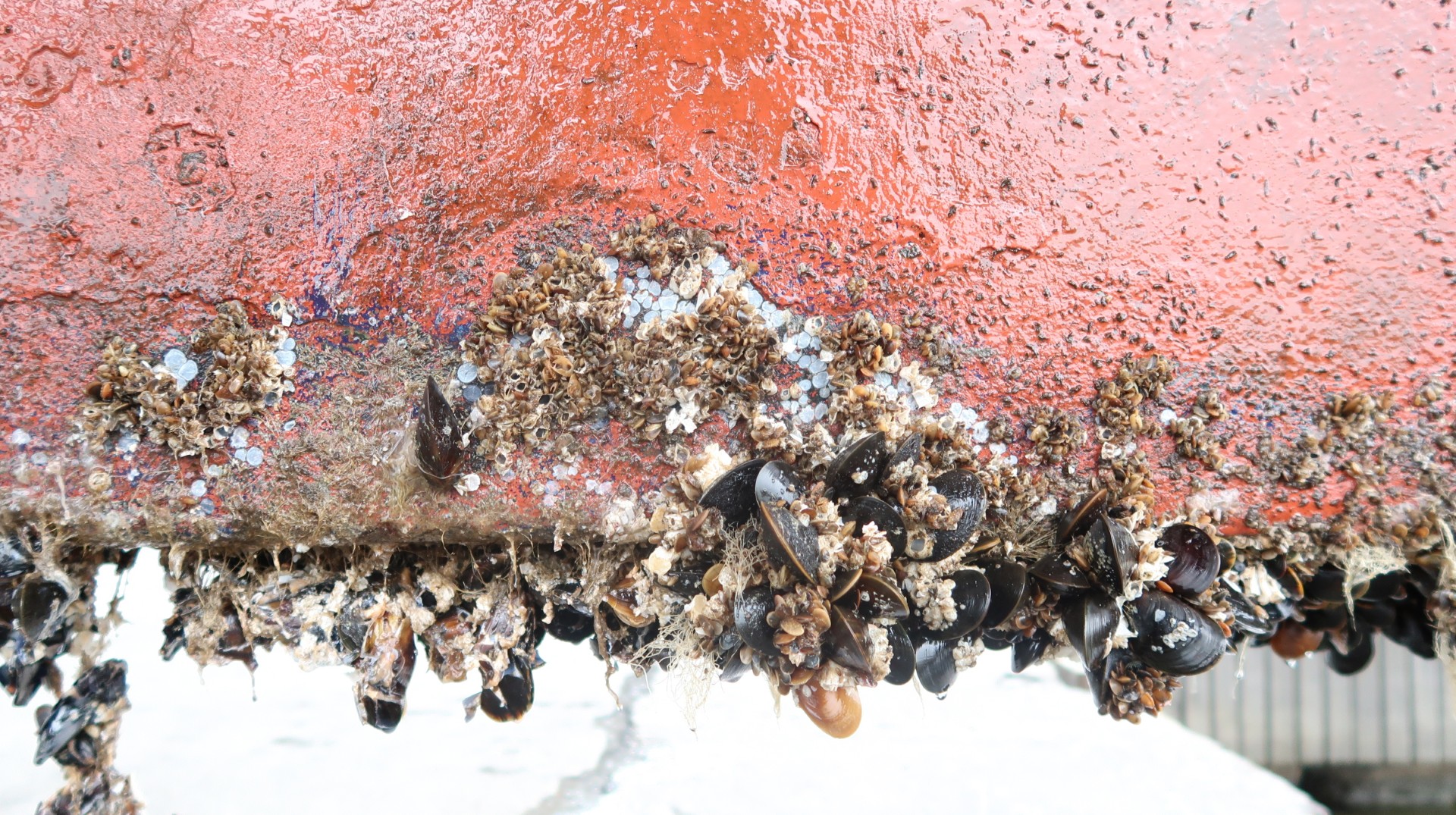
The shipping industry has a harmful secret—hiding just beneath the waterline. Barnacles, algae and microbial slime covering ship hulls may seem like ...