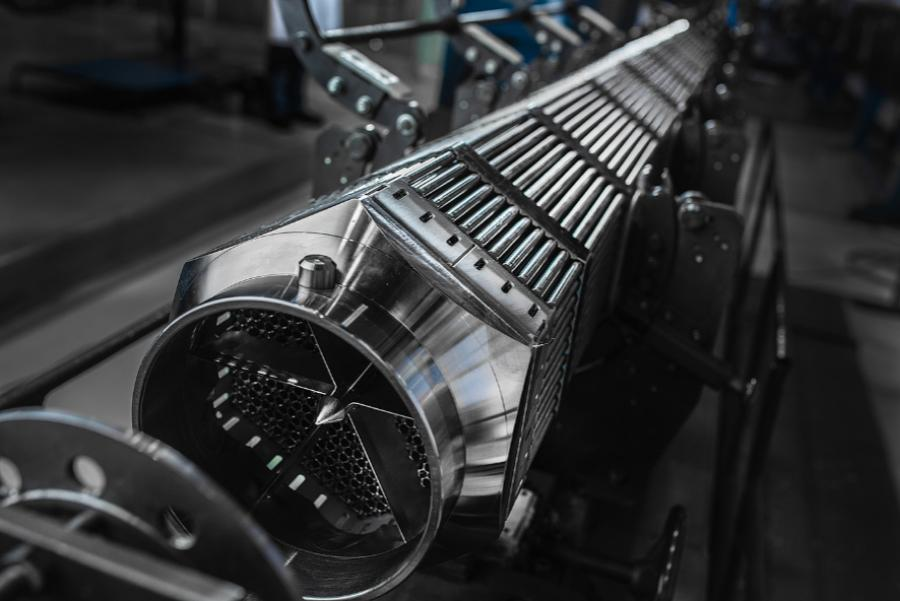
Germany wants independence from Russian nuclear fuel, using Rosatom as a bridge
Europe’s effort to break its dependence on Russian nuclear fuel has a paradox in Germany: making Russian-designed fuel without buying it from Russia ...
News
Publish date: May 5, 1998
Written by: Thomas Nilsen
News
The study is made by Massachusetts Medical Society and looks into both a possible missile launch activated by false warning, and a accidental missile launch by a Delta-IV submarine, which the Northern fleet has seven of. The safeguards against the unauthorised launch of Delta-IV missiles are weaker than those against either silo-based or mobile land-based rockets, because the Russian general staff cannot continuously monitor the status of the crew and missiles or use electronic links to override unauthorised launches by the crews.
The study says that Russia’s nuclear command system has steadily deteriorated. Aging nuclear communications and computer networks are malfunctioning more frequently, and deficient early-warning satellites and ground radar are more prone to reporting false alarms. In addition, budget cuts have reduced the training of nuclear commanders and thus their proficiency in operating nuclear weapons safely. Elite nuclear units suffer pay arrears and housing and food shortages, which might contribute to low moral and disaffection.
-No one today can guarantee the reliability of our control systems Russia might soon reach the threshold beyond which its rockets and nuclear systems cannot be controlled, said Russia’s former Defence Minister Igor Rodionov in an interview with Washington Post.
On January 25, 1995, a warning related to a Norwegian scientific rocket launched from Andoya in Northern Norway led to activation of the nuclear suitcase carried by the top Russian leaders and initiated an emergency nuclear-decision-making conference involving the leaders and their top nuclear advisors. It took eight minutes to conclude that the launch was not a surprise nuclear strike by Western submarines outside the Norwegian coast. This was less than four minutes before the deadline for ordering a nuclear response under standard Russian launch-on-warning.
Europe’s effort to break its dependence on Russian nuclear fuel has a paradox in Germany: making Russian-designed fuel without buying it from Russia ...
Nearly four and a half years after Russia’s full-scale invasion of Ukraine, July offered fresh evidence of how difficult it remains to disentangle Ru...
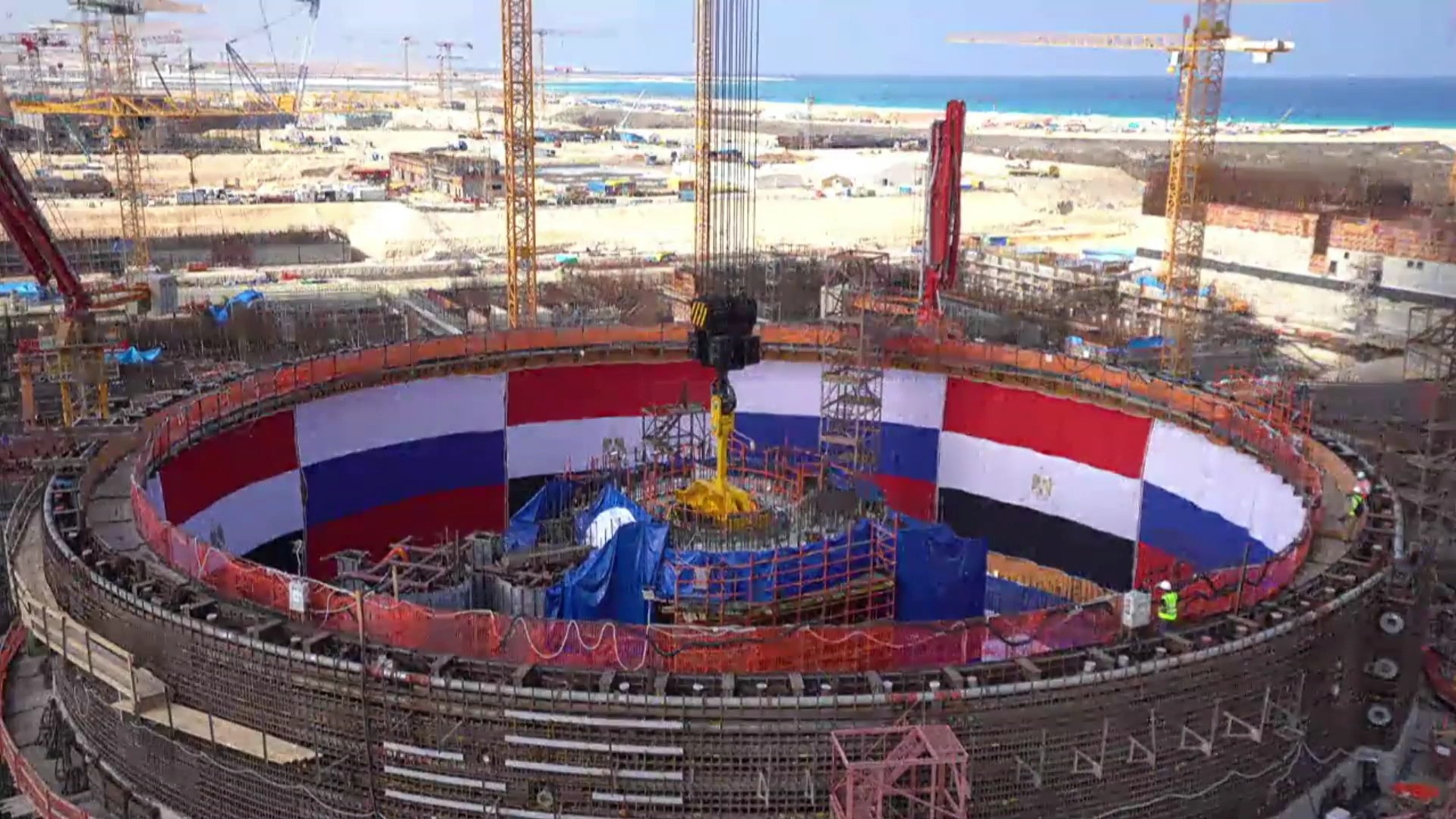
Just days after Egyptian nuclear authorities reportedly accused Rosatom of construction defects, poor management and vi...
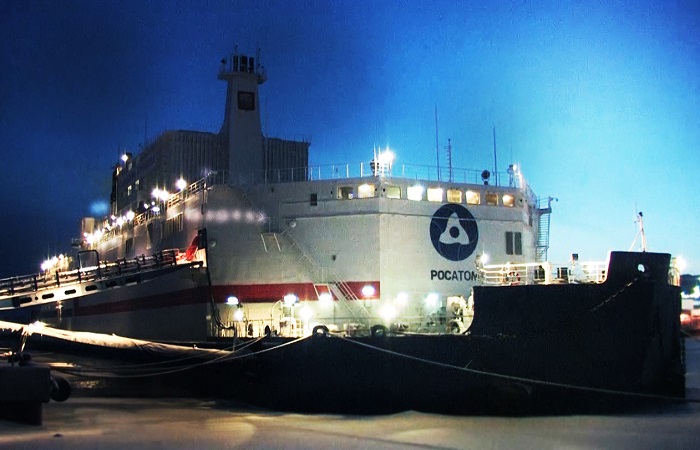
For years, the Akademik Lomonosov looked like one of the nuclear industry’s more eccentric experiments: two reactors mounted on a barge and tow...