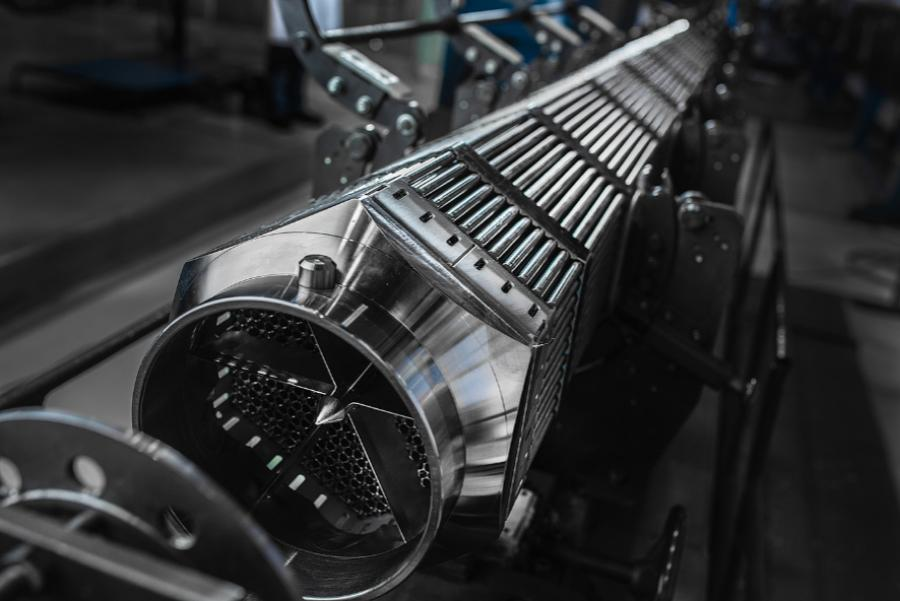
Germany wants independence from Russian nuclear fuel, using Rosatom as a bridge
Europe’s effort to break its dependence on Russian nuclear fuel has a paradox in Germany: making Russian-designed fuel without buying it from Russia ...
News
Publish date: July 1, 1997
Written by: Igor Kudrik
News
–The shipbuilding industry’s wish to commission as fast and many vessels they can, neglects the fact that the vessels and subs become accident-prone as a result of this approach, claimed the senior officers of the Northern Fleet at the meeting with Murmansk journalists.
The nuclear-powered cruiser Peter the Great, which recently was incorporated into the Northern Fleet, has half of its mechanisms worn out and passed their operational life-time. The probability of safe operation of the cruiser is close to zero, nevertheless the vessel was pushed into operation by Baltiysky Shipbuilding yard in St. Petersburg. Currently, the vessel is idling on the premises of Severomorsk on the Kola peninsula, being an extra financial burden for the Northern Fleet.
— In the end of December 1996, Severodvinsk yard was celebrating the commission of the new submarine "Tomsk" (Oscar-II class). The submarine is still in Severodvinsk pending its "final exams", in other words the construction of the submarine is still not completed, claimed rear admiral Alexander Smelkov at the meeting.
At the moment of commission of each new submarines, the Naval officers receive a list of additional work "to be completed while in operation" from the yard. This list usually contains work the yard was unable to finish within the frames of their own construction schedule. The work is performed when the sub is on mission, hugely increasing the probability of an accident.
Confronted with a question of what had changed since the Komsomolets accident 8 years ago, the answer was short: "nothing".
Even elementary things like life-jackets, gas masks and air supply masks which has been proved to be inefficient, are still in use on-board submarines. It’s the same situation with the fire extinguish systems and automatic systems for sealing off the compartments in case of an accident.
The only change within the nuclear submarine fleet over the last years, is the lack of funding. And this change does not contribute to the nuclear safety.
Europe’s effort to break its dependence on Russian nuclear fuel has a paradox in Germany: making Russian-designed fuel without buying it from Russia ...
Nearly four and a half years after Russia’s full-scale invasion of Ukraine, July offered fresh evidence of how difficult it remains to disentangle Ru...
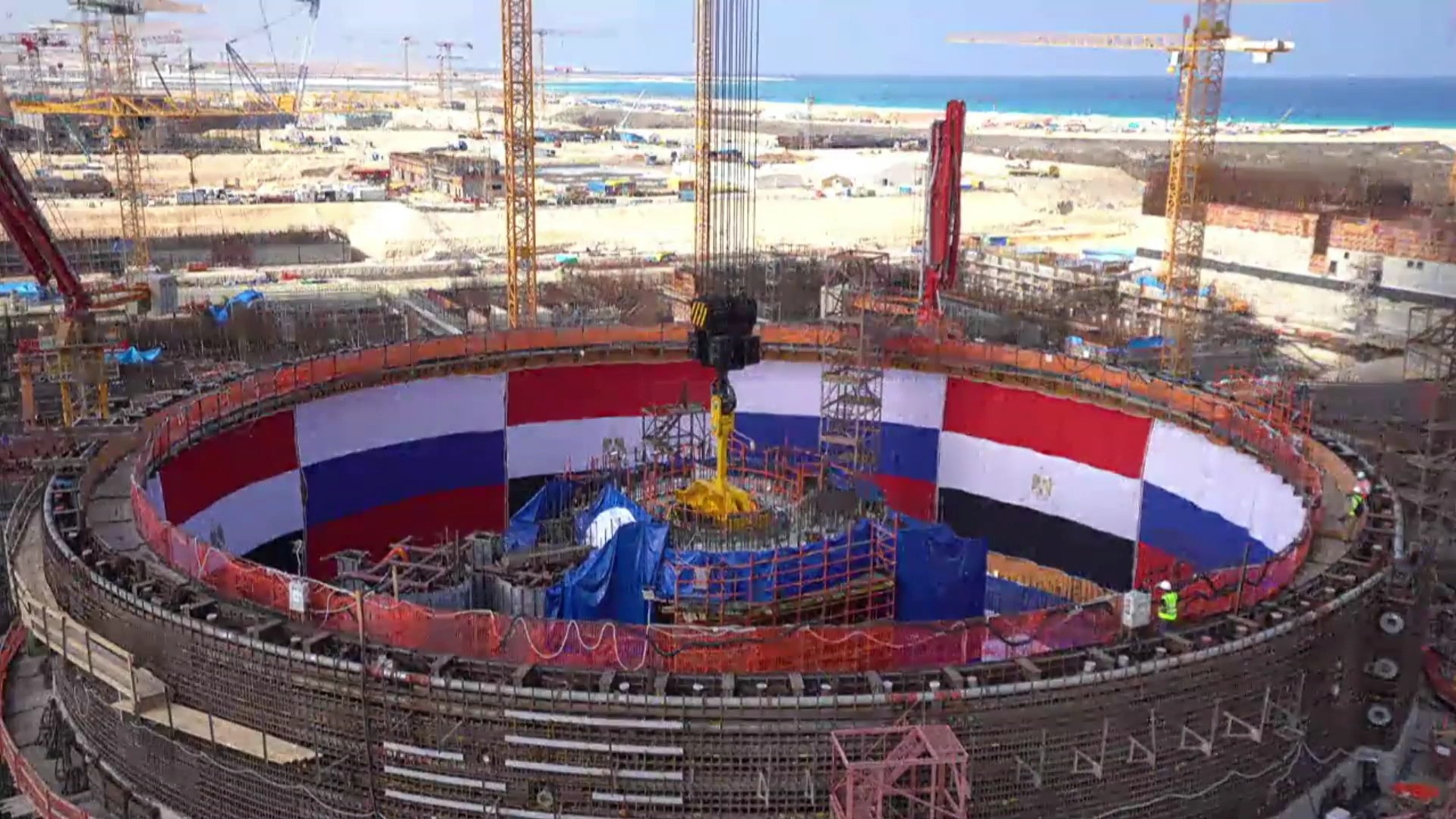
Just days after Egyptian nuclear authorities reportedly accused Rosatom of construction defects, poor management and vi...
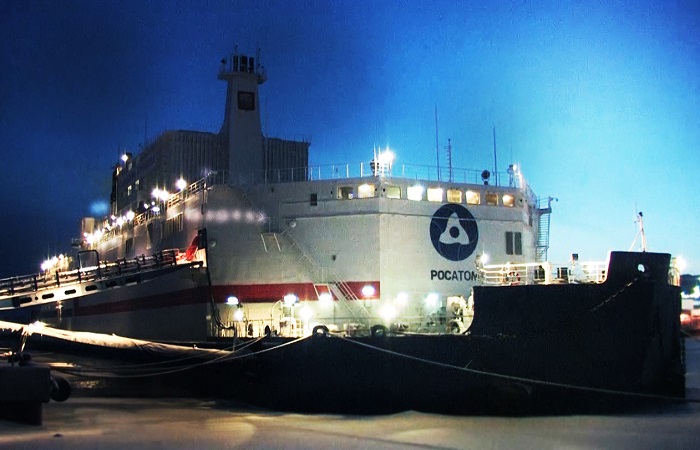
For years, the Akademik Lomonosov looked like one of the nuclear industry’s more eccentric experiments: two reactors mounted on a barge and tow...