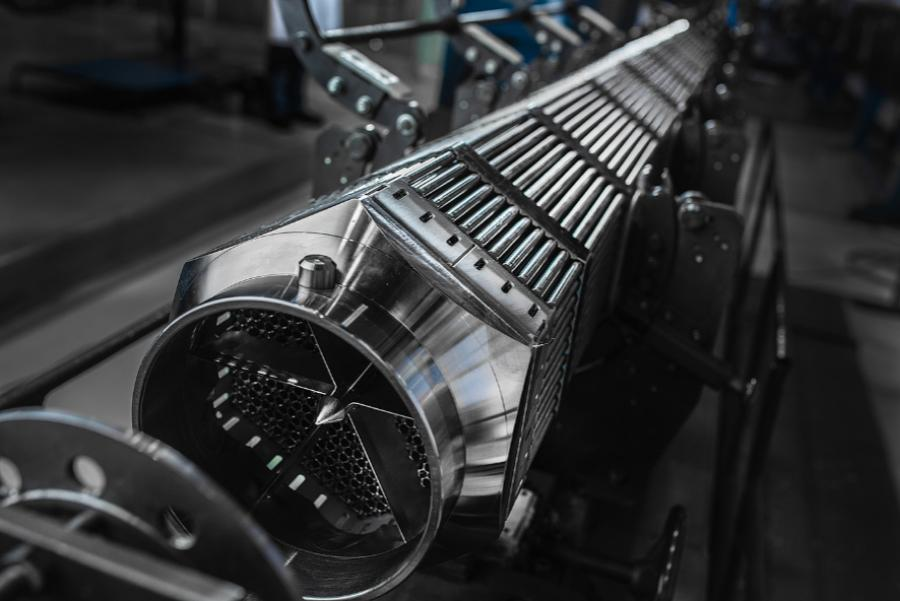
Germany wants independence from Russian nuclear fuel, using Rosatom as a bridge
Europe’s effort to break its dependence on Russian nuclear fuel has a paradox in Germany: making Russian-designed fuel without buying it from Russia ...
News
Publish date: November 25, 2005
News
The amendments passed through the first reading of the 450-seat Duma, the lower chamber of the Russian parliament, by a vote of 370-18, with 48 abstentions on November 23rd.
The law, if it is voted into force, would require that several hundred thousand Russian NGOs re-register under a new and stricter regime. Moreover, the representative offices of international NGOs, foundations, groups providing social services and others, would have to re-register as purely Russian legal entities with headquarters in Russia, or face liquidation. The law would impose restrictions on their ability to receive foreign donations or hire foreigners in their offices. Only citizens of the Russian federation or non-citizens with a permanent Russian residence permit would be allowed to represent the these organisations. The authorities that would implement the registration processes under the new law would be authorized to make decisions under such unclear criteria as extremist activities or (providing) help to legalise illegal assets. The Russian authorities will also be given wide powers to make inspections of the organisations under unclear pretexts.
Europe’s effort to break its dependence on Russian nuclear fuel has a paradox in Germany: making Russian-designed fuel without buying it from Russia ...
Nearly four and a half years after Russia’s full-scale invasion of Ukraine, July offered fresh evidence of how difficult it remains to disentangle Ru...
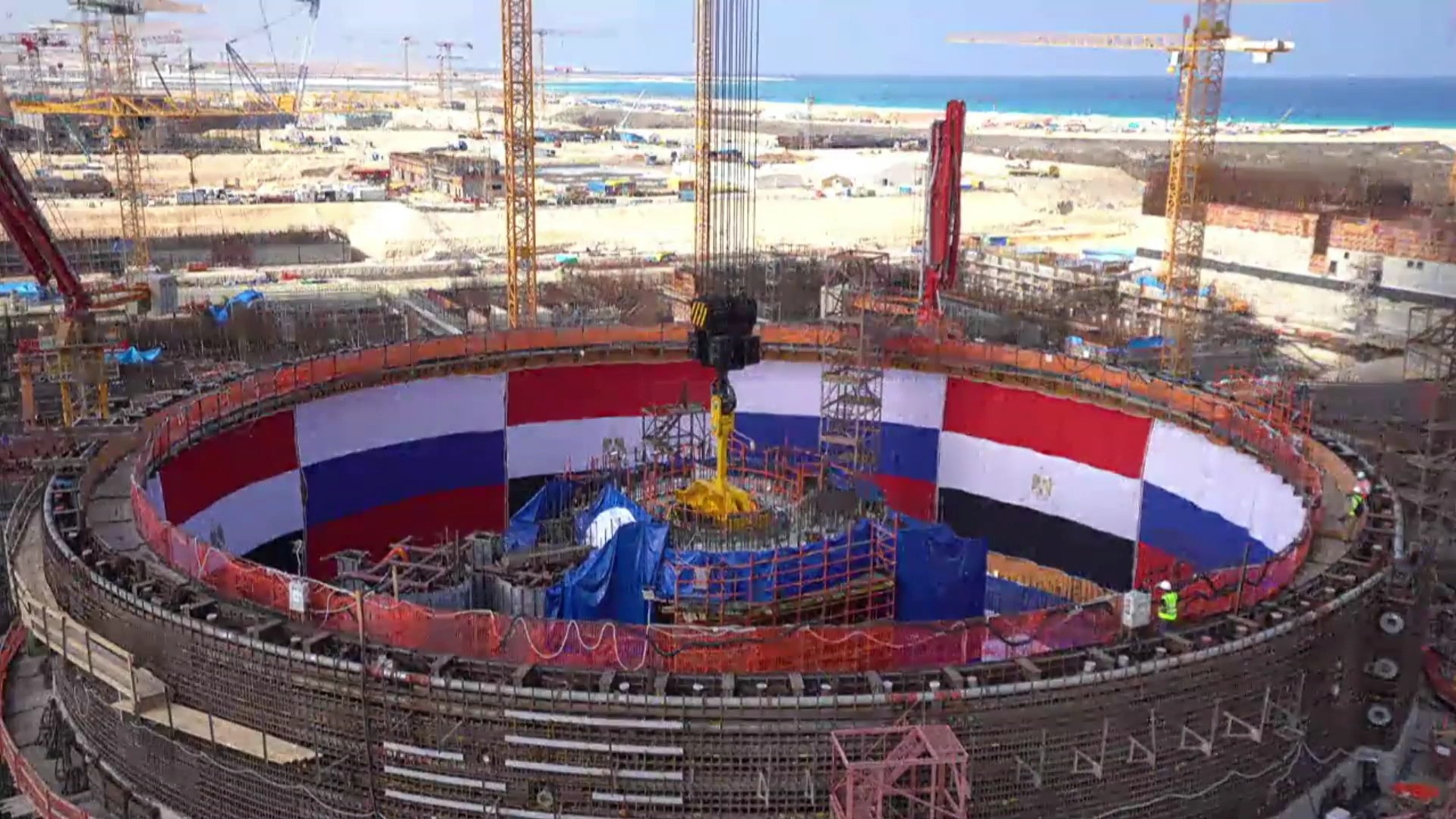
Just days after Egyptian nuclear authorities reportedly accused Rosatom of construction defects, poor management and vi...
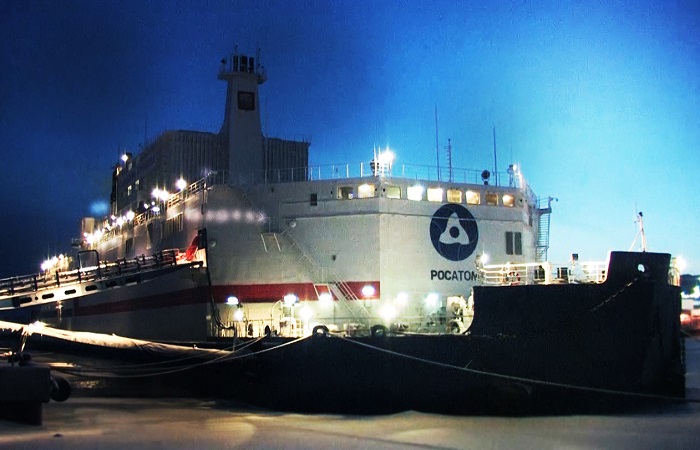
For years, the Akademik Lomonosov looked like one of the nuclear industry’s more eccentric experiments: two reactors mounted on a barge and tow...