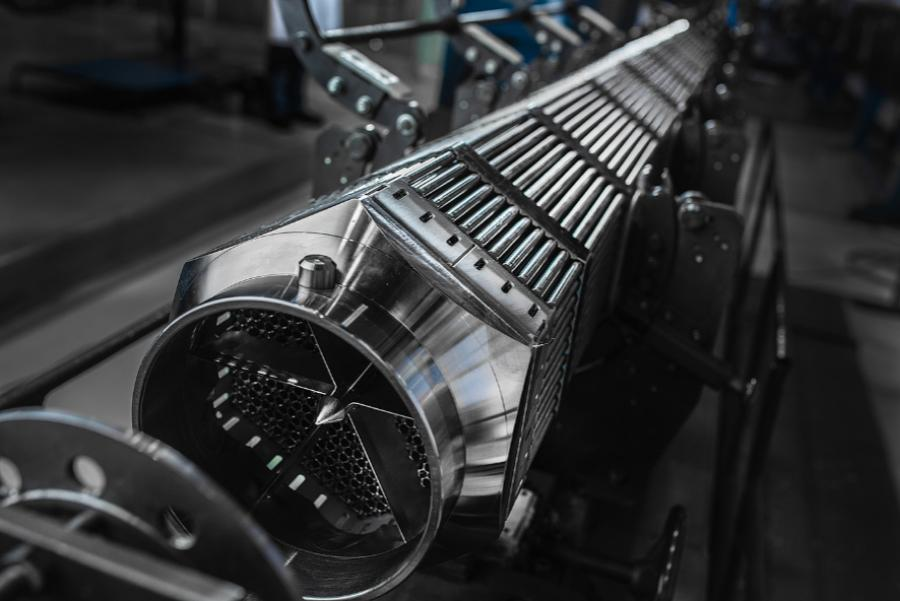
Germany wants independence from Russian nuclear fuel, using Rosatom as a bridge
Europe’s effort to break its dependence on Russian nuclear fuel has a paradox in Germany: making Russian-designed fuel without buying it from Russia ...
News
Publish date: October 10, 2003
News
According to the International Atomic Energy Agency (IAEA), the fuel removal cost $400,000 and was funded by the U.S. Department of Energy under a cooperative U.S.-Russia-IAEA program called the Tripartite Initiative that facilitates the return of fresh and spent fuel from Russian-designed research reactors abroad. Russia has agreed to degrade the fuel into low-enriched uranium (LEU) useless for weapons use. The fresh fuel was flown from the Institute for Nuclear Research in Pitesti, Romania, to Russias Chemical Concentrates Plant in Novosibirsk. IAEA, Russian, Romanian and US officials supervised the transport. The fuel was originally procured for a Russian-designed two-megawatt research reactor near Romanias capital, Bucharest. The reactor stopped operating in December 1997, and the fresh fuel was sent to Pitesti for storage. The fuel removal is part of a three-year project to convert the U.S.-designed Pitesti reactor to LEU. The United States contributed $4 million to the IAEA for the conversion.
Europe’s effort to break its dependence on Russian nuclear fuel has a paradox in Germany: making Russian-designed fuel without buying it from Russia ...
Nearly four and a half years after Russia’s full-scale invasion of Ukraine, July offered fresh evidence of how difficult it remains to disentangle Ru...
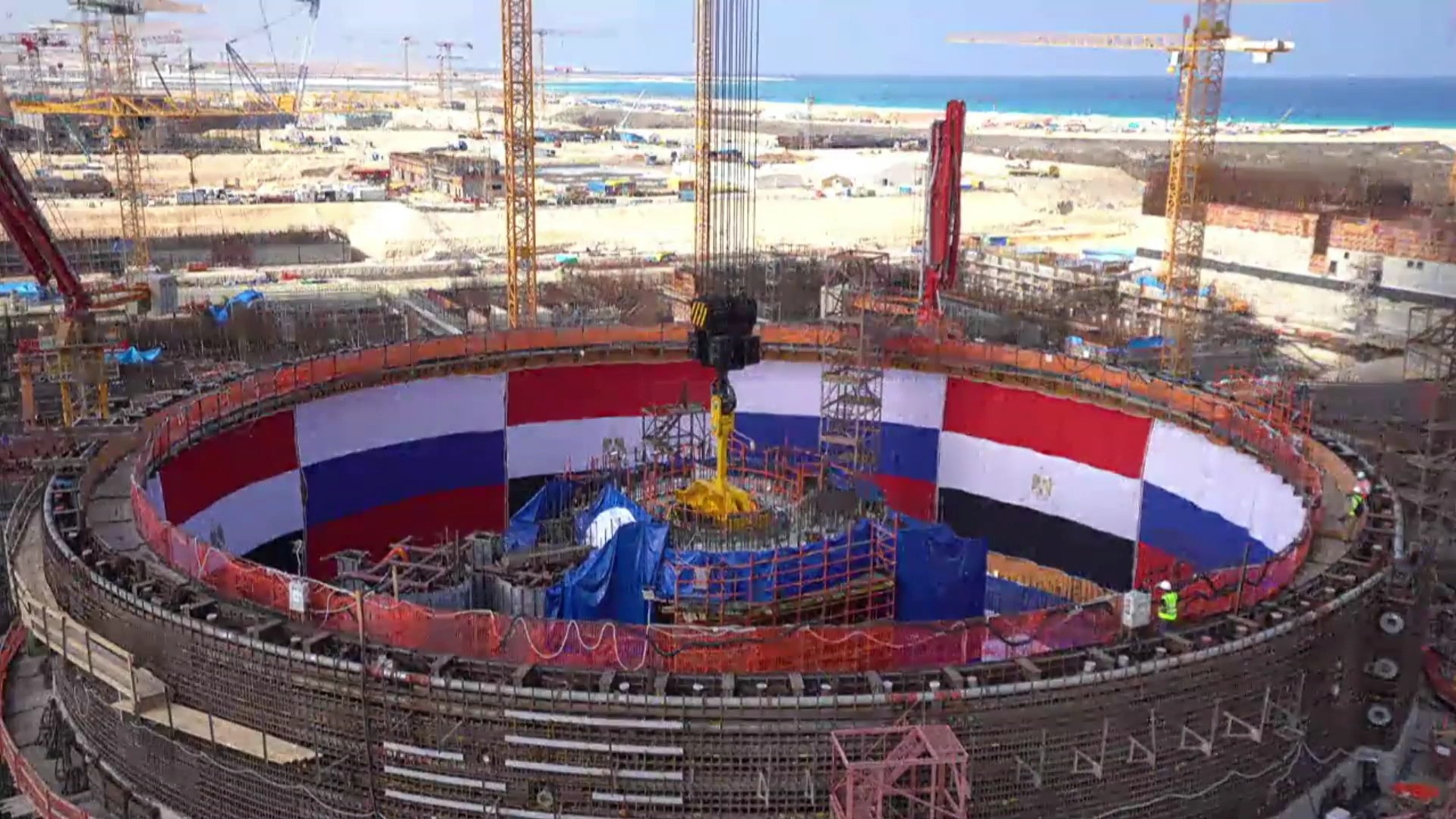
Just days after Egyptian nuclear authorities reportedly accused Rosatom of construction defects, poor management and vi...
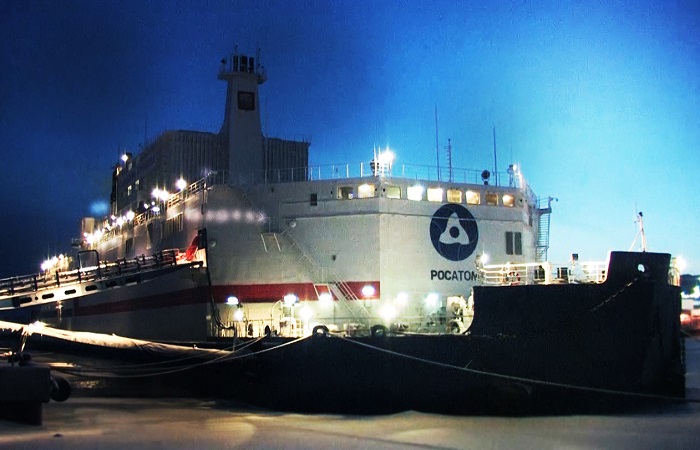
For years, the Akademik Lomonosov looked like one of the nuclear industry’s more eccentric experiments: two reactors mounted on a barge and tow...