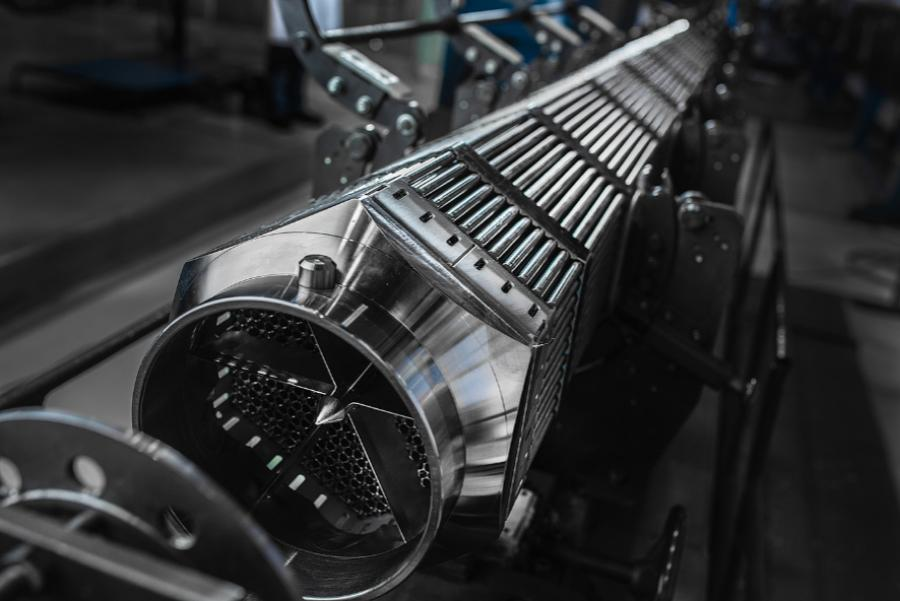
Germany wants independence from Russian nuclear fuel, using Rosatom as a bridge
Europe’s effort to break its dependence on Russian nuclear fuel has a paradox in Germany: making Russian-designed fuel without buying it from Russia ...
News
Publish date: September 25, 2005
News
In particular, the members of the expedition will confirm or disprove the data about the places where after the second world war chemical weapon, radioactive waste, parts of the submarines and nuclear icebreakers were sunk. During the 23 days expedition the scientists should examine, evaluate the state of the objects and make the forecast for the nearest years, Interfax reported.
The research ship Professor Shtokman is well equipped and allows to conduct research in many various ways: geolocation, electrochemical (measurement of salinity, oxygen and hydrogen content etc.), magnetometric. The tests of the water and sediments will be taken for further examination. The analysis on the sites will be carried out with the help of probes. The reports will be handed over to the Russian Emergency Ministry in order to issue a registry of the underwater potentially dangerous objects.
Europe’s effort to break its dependence on Russian nuclear fuel has a paradox in Germany: making Russian-designed fuel without buying it from Russia ...
Nearly four and a half years after Russia’s full-scale invasion of Ukraine, July offered fresh evidence of how difficult it remains to disentangle Ru...
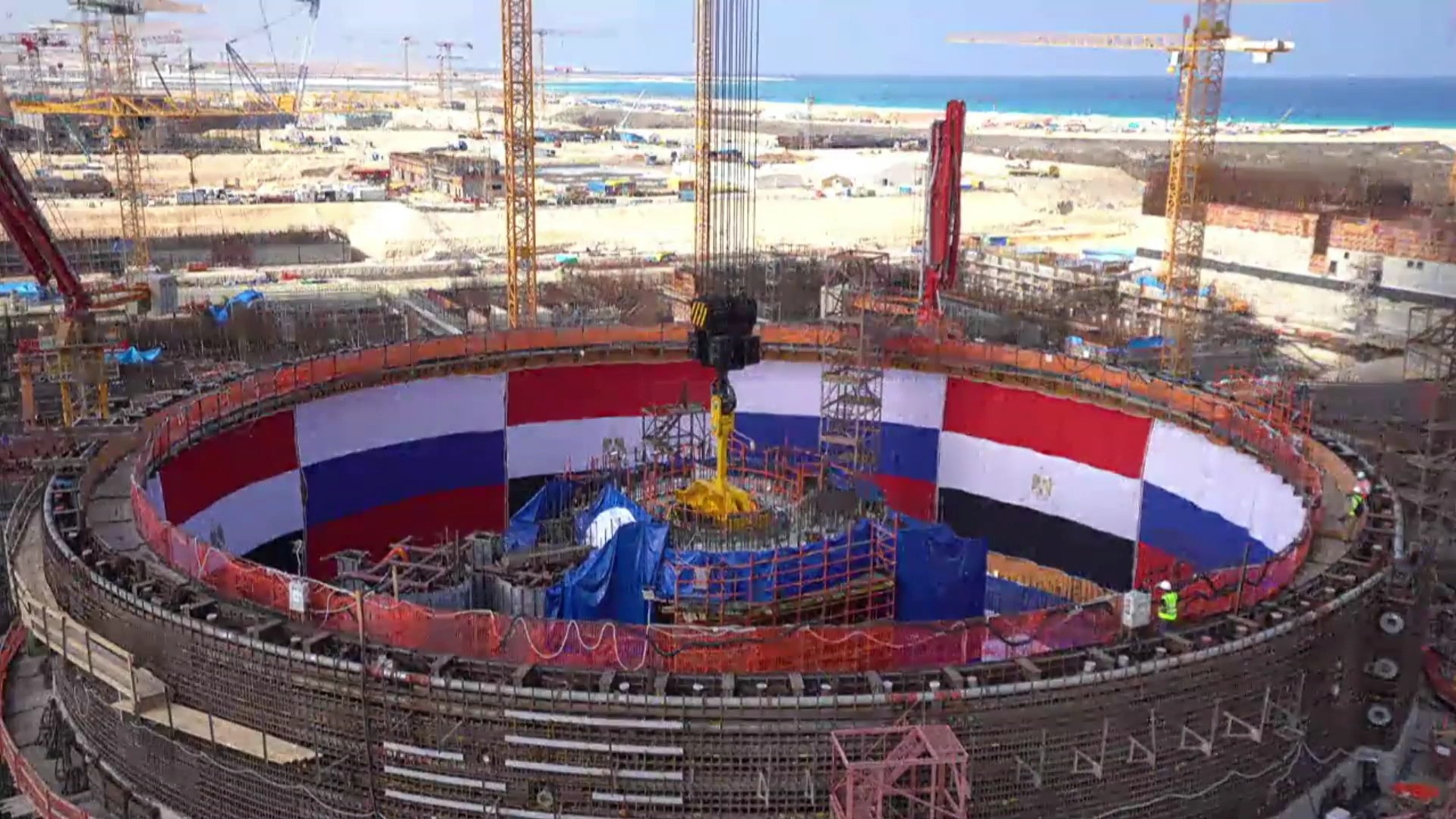
Just days after Egyptian nuclear authorities reportedly accused Rosatom of construction defects, poor management and vi...
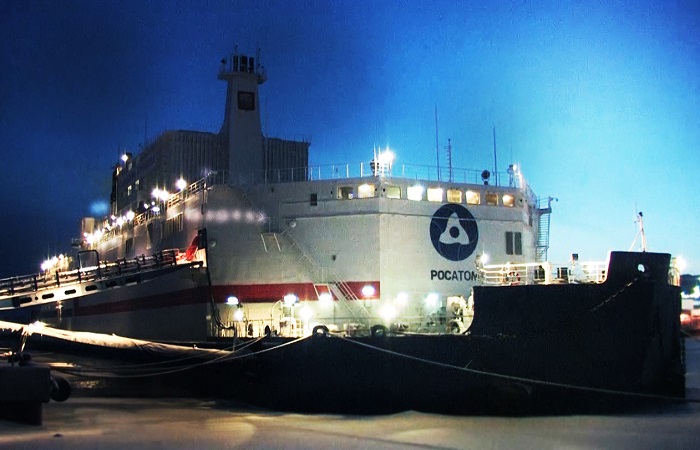
For years, the Akademik Lomonosov looked like one of the nuclear industry’s more eccentric experiments: two reactors mounted on a barge and tow...